If you’ve ever wondered whether to bake in a glass pan or a metal pan, or found cookies burned on the bottom at 350 ºF despite following the recipe, this guide is for you. Learn how bakeware material, color, and construction influence baking results, why pans can warp or rust, and how to adapt recipes so your bakes turn out reliably.
This article isn’t meant to make you discard all your bakeware. Instead, it explains how different pans behave so you can adjust temperatures, times, and techniques to suit the pieces you already own.
The impact of material on baking
Bakeware materials conduct and retain heat differently, and that directly affects bake time, browning, and texture. Knowing each material’s tendencies lets you modify temperatures and times so baked goods finish properly.
Aluminum
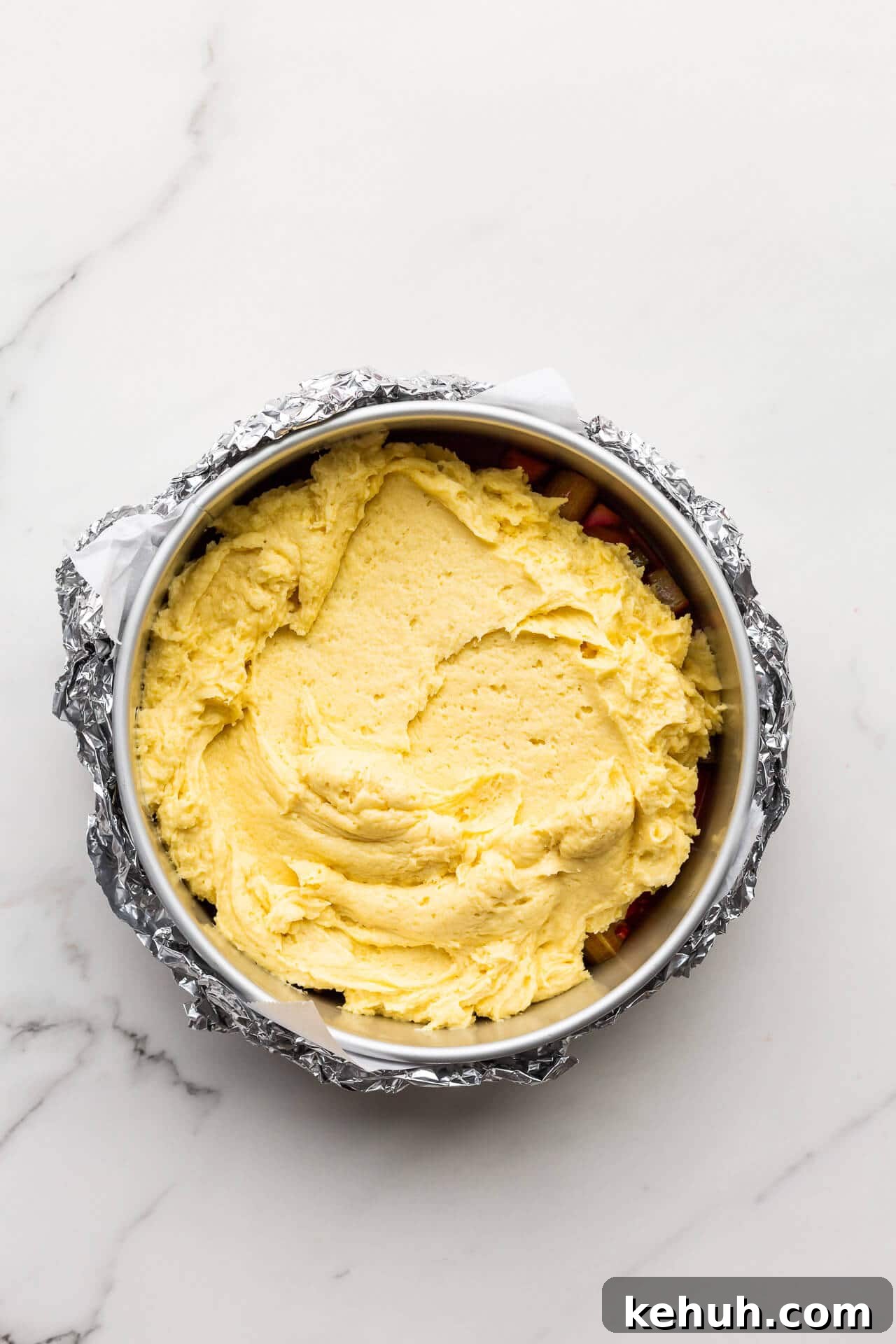
Aluminum is an excellent heat conductor, so it transfers oven heat quickly and evenly. High-quality, thick aluminum pans deliver even bakes; cheap, thin sheets can create hot spots and uneven browning. Because aluminum is reactive, acidic or very alkaline foods can cause discoloration or metallic flavors over time—so reach for non-reactive options like ceramic for very acidic recipes.
Stainless steel
Stainless steel resists rust and is easy to clean, but it is not a great heat conductor unless it has an aluminum or copper core. Quality varies across stainless steel types; better construction yields more consistent results. Use stainless for durability and easy maintenance, but expect slower, less even heat transfer compared with aluminum.
Silicone
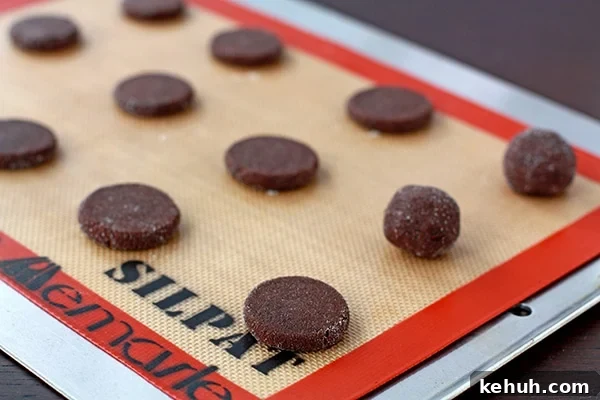
Silicone is an insulator and does not conduct heat well. Cookies baked on silicone mats or pans tend to brown less and can be under-baked compared with parchment-lined sheet pans. If you prefer soft, pale cookies, silicone is ideal. For cakes, increase baking time and monitor doneness closely when using silicone pans.
Glass
Glass is a poor conductor but a great heat retainer. Glass pans bake more slowly and often require longer bake times; bottoms and crusts brown more slowly than in metal pans. Glass works well for casseroles and dishes you want to keep warm at the table, but for pies and recipes where a crisp, browned bottom is important, metal pans are usually a better choice.
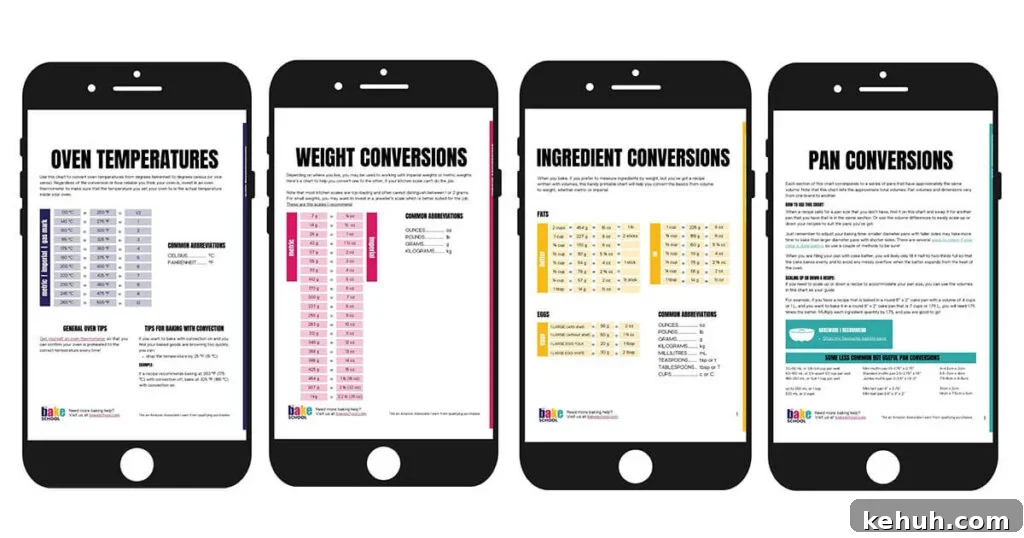
I recommend investing in complete baking conversion charts to make it easier to adapt recipes across pan types and sizes.
Cast iron
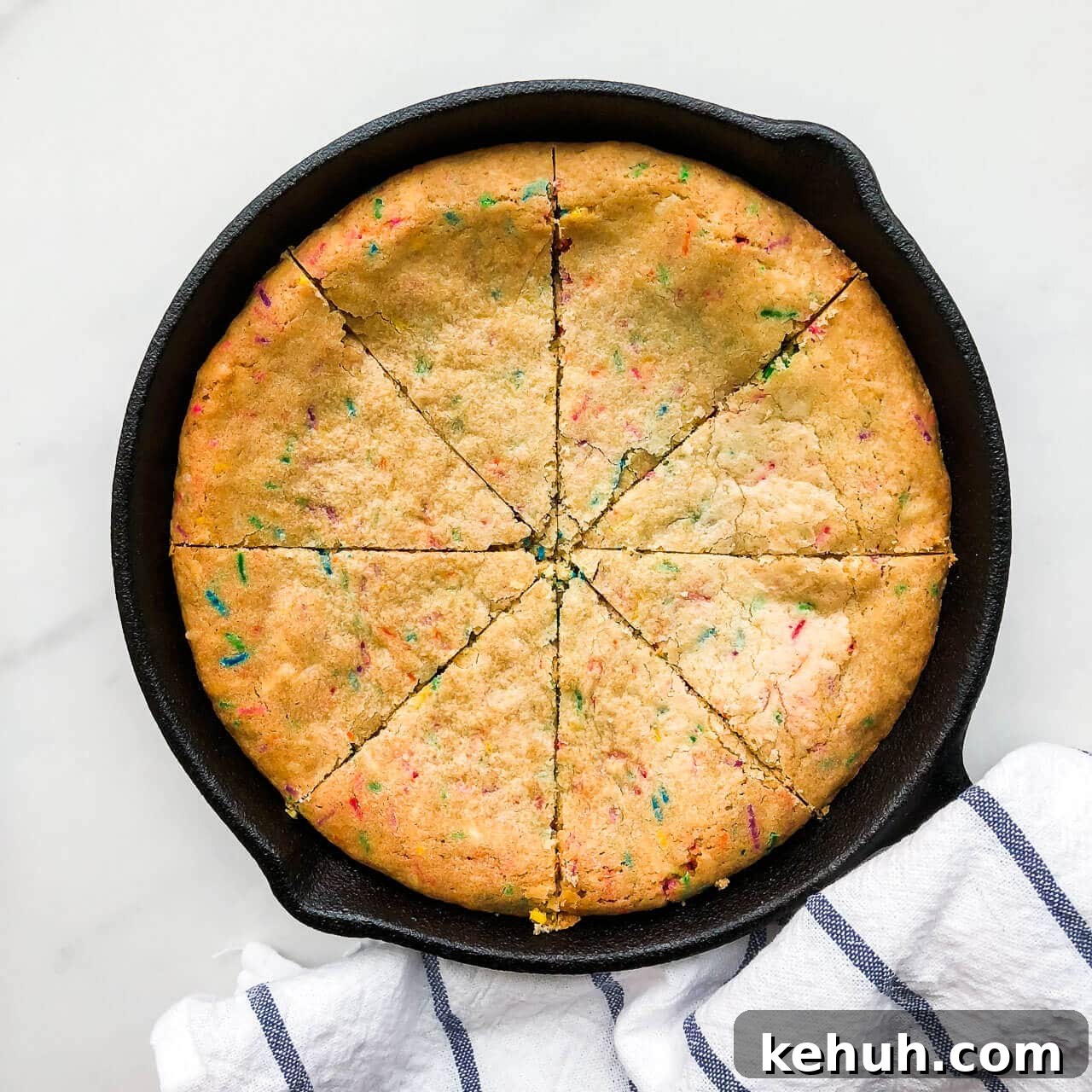
Cast iron holds and distributes heat well. Properly seasoned cast iron becomes naturally non-stick and gives excellent browning and crust development. It retains heat for a long time, making cast iron great for skillet cookies, deep-dish baking, and recipes that benefit from steady, retained heat.
Ceramic
Ceramic behaves similarly to glass: it heats slowly and keeps food warm once out of the oven. This makes ceramic ideal for casseroles and dishes served table-side. Because it conducts heat slowly, expect longer bake times and less rapid browning compared with metal.
Enamel cast-iron
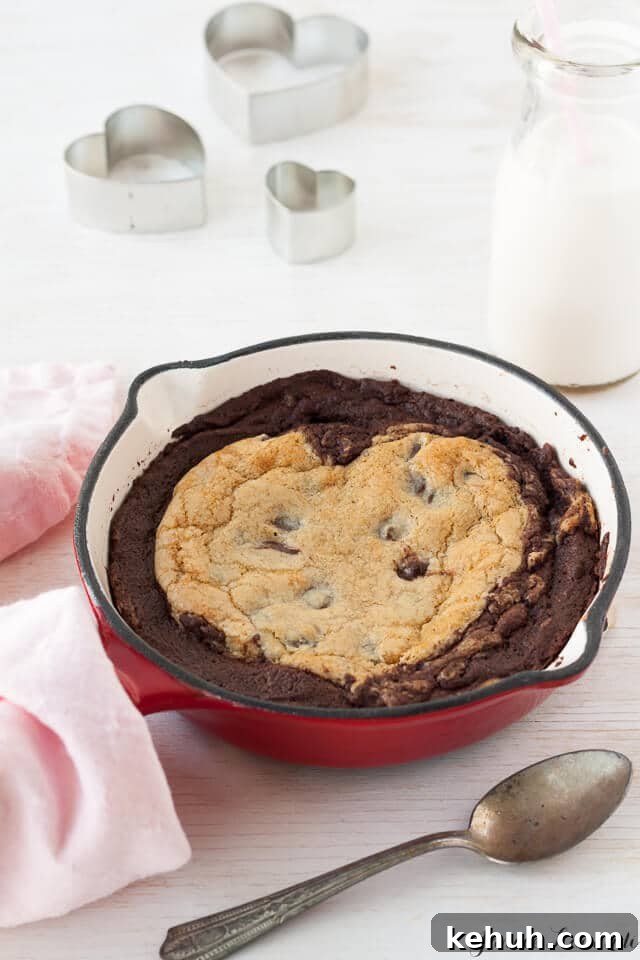
Enamel-coated cast iron combines cast iron’s heat retention with a protective, non-reactive surface. These pans conduct and hold heat well while resisting rust and avoiding metal reactions with food.
Insulated metal
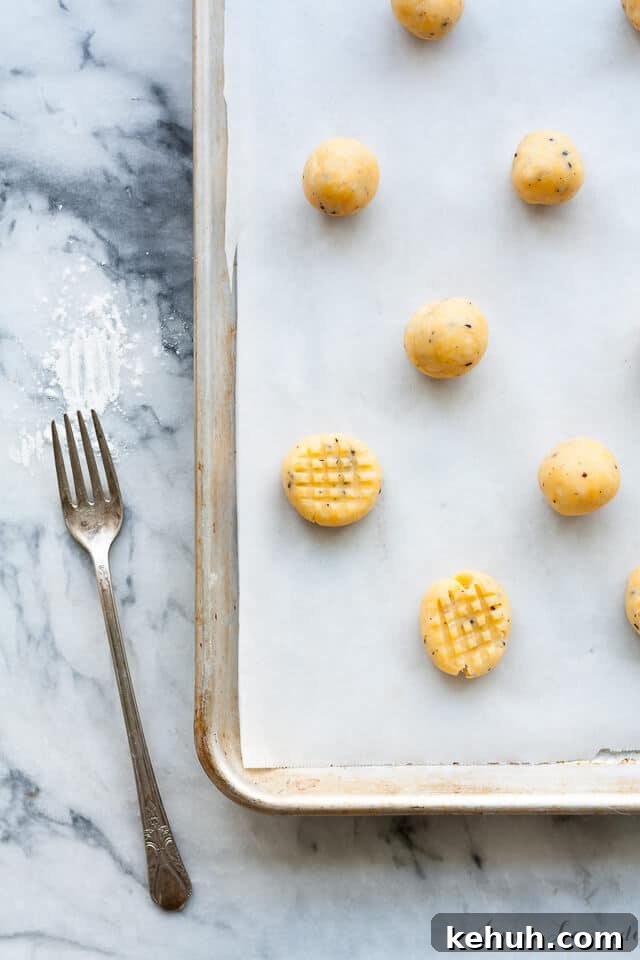
Insulated sheet pans have two thin metal layers with an air gap between them. That air buffer reduces bottom browning and helps prevent cookies from burning, producing lighter-colored, softer results. If you like less-browned cookies, insulated pans or silicone liners can help achieve that texture.
The impact of the gauge of the metal on baking
Gauge indicates thickness: a higher gauge number means thinner metal; a lower gauge means thicker metal. Thicker aluminum heats more evenly and often bakes faster than thin pans. If a recipe seems to bake unusually quickly or slowly, pan thickness is a likely factor.
The impact of pan colour on baking
Pan color affects how much heat is radiated. Dark, matte finishes absorb and radiate more heat, while shiny, light finishes reflect heat and radiate less. That changes how quickly bottoms and edges brown.
Dark finish vs light finish
When using dark pans, lower the oven temperature by about 25 ºF to prevent over-browning. Conversely, if a recipe was developed for dark pans and you switch to a light-colored pan, increase the oven temperature by about 25 ºF to get equivalent browning and bake times.
What types of pans should you buy?
Choose pans based on what you bake most. Below are general recommendations to help you build a practical collection.
- Cakes: Lightweight, anodized aluminum or light-finish cake pans for even, predictable baking. For layer cakes, own multiple identical pans so you can bake layers simultaneously.
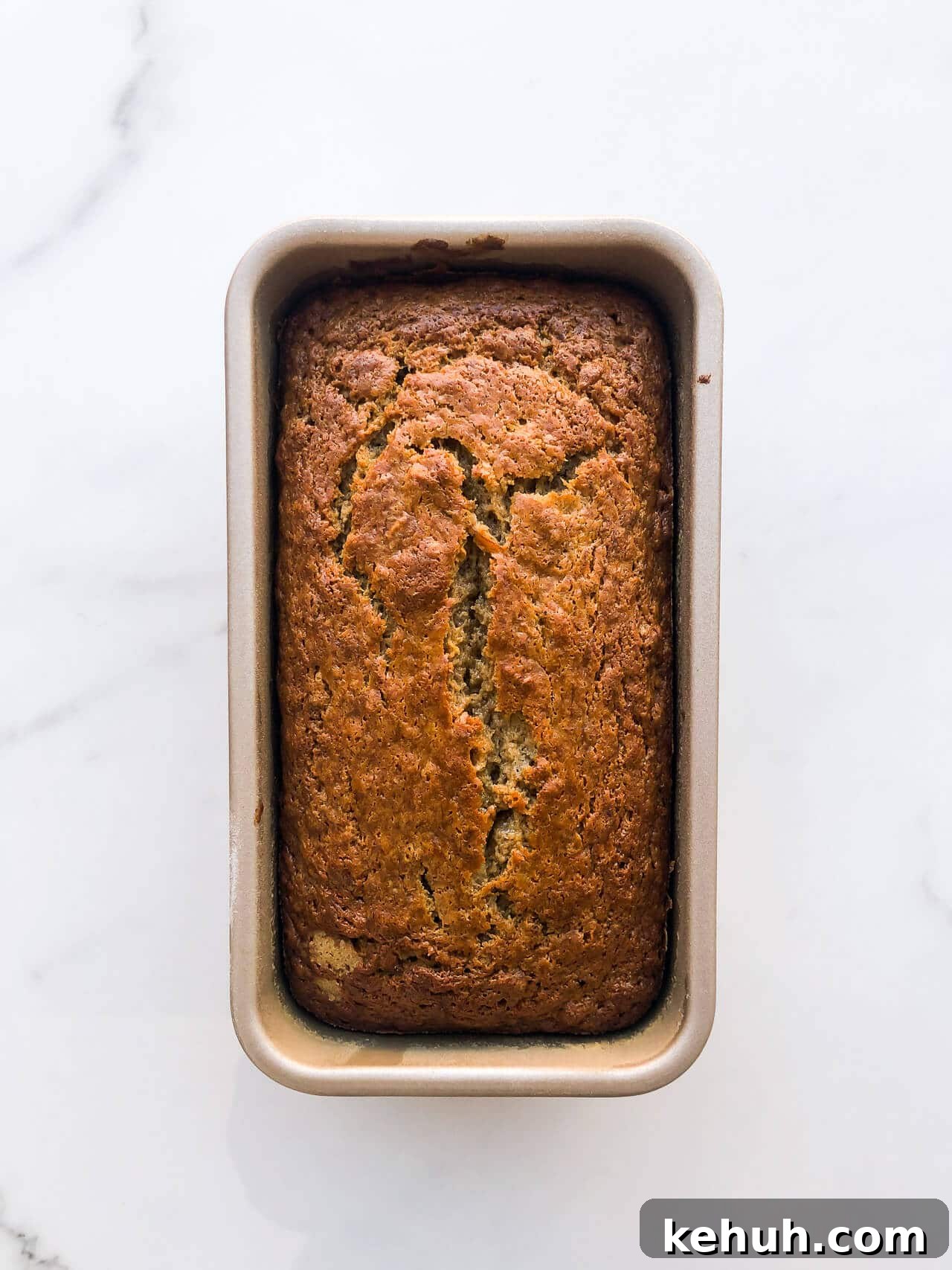
- Quick breads and loaves: Light-finish loaf pans for even crumb; if using darker non-stick finishes, reduce oven temperature slightly to prevent over-browning at the edges.
- Cookies: Heavy-duty half-sheet pans with a light finish for even baking. For breads or pizzas where a browned bottom is desired, choose darker pans or increase temperature slightly.
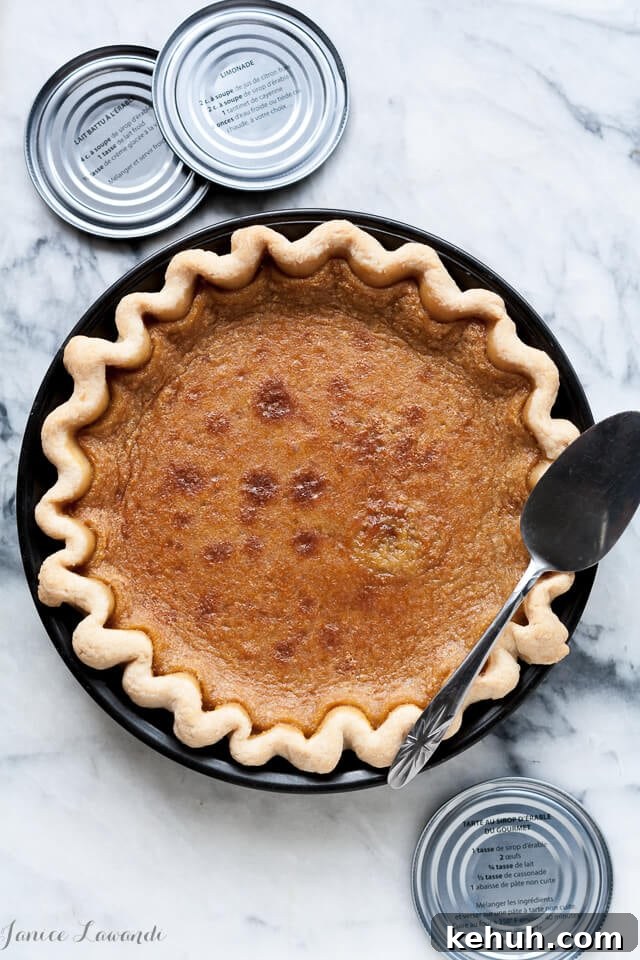
- Pies: Metal pie plates with a darker finish encourage bottom browning and help avoid soggy bottoms.
- Cheesecakes: A light-colored, well-sealing springform pan for water-bath baking and even, gentle cooking.
- Bundts: High-quality, heavy-duty bundt pans with good non-stick finishes make unmolding easier, especially for intricate shapes.
Note: pan sizing conventions vary—some are labeled by volume (cups) while others use dimensions (inches). Always check volume or dimensions before substituting pans.
FAQ
Non-stick coatings usually prevent sticking, but many bakers still grease and flour cake pans as extra insurance. A light greasing helps ensure clean release and reduces the chance of sticking, especially for delicate cakes.
If a non-stick coating is damaged or flaking, replace the pan. Chipped coatings can contaminate food and reduce performance.
You can bake cakes in many pans, but anodized or light-finish aluminum pans are preferred for even heat transfer and reliable results.
Do you preheat the oven with the baking pan inside?
Most recipes start with preheating the oven to the target temperature. Leave pans at room temperature unless a recipe specifically instructs otherwise. Some recipes—like popovers, Yorkshire puddings, and Dutch baby pancakes—require preheating the pan so the batter hits a hot surface and puffs immediately. For cakes, cookies, and bundts, use room-temperature pans unless instructed to preheat the pan.
Shallow vs deep baking pans
Follow these practical rules to avoid overflow and uneven baking:
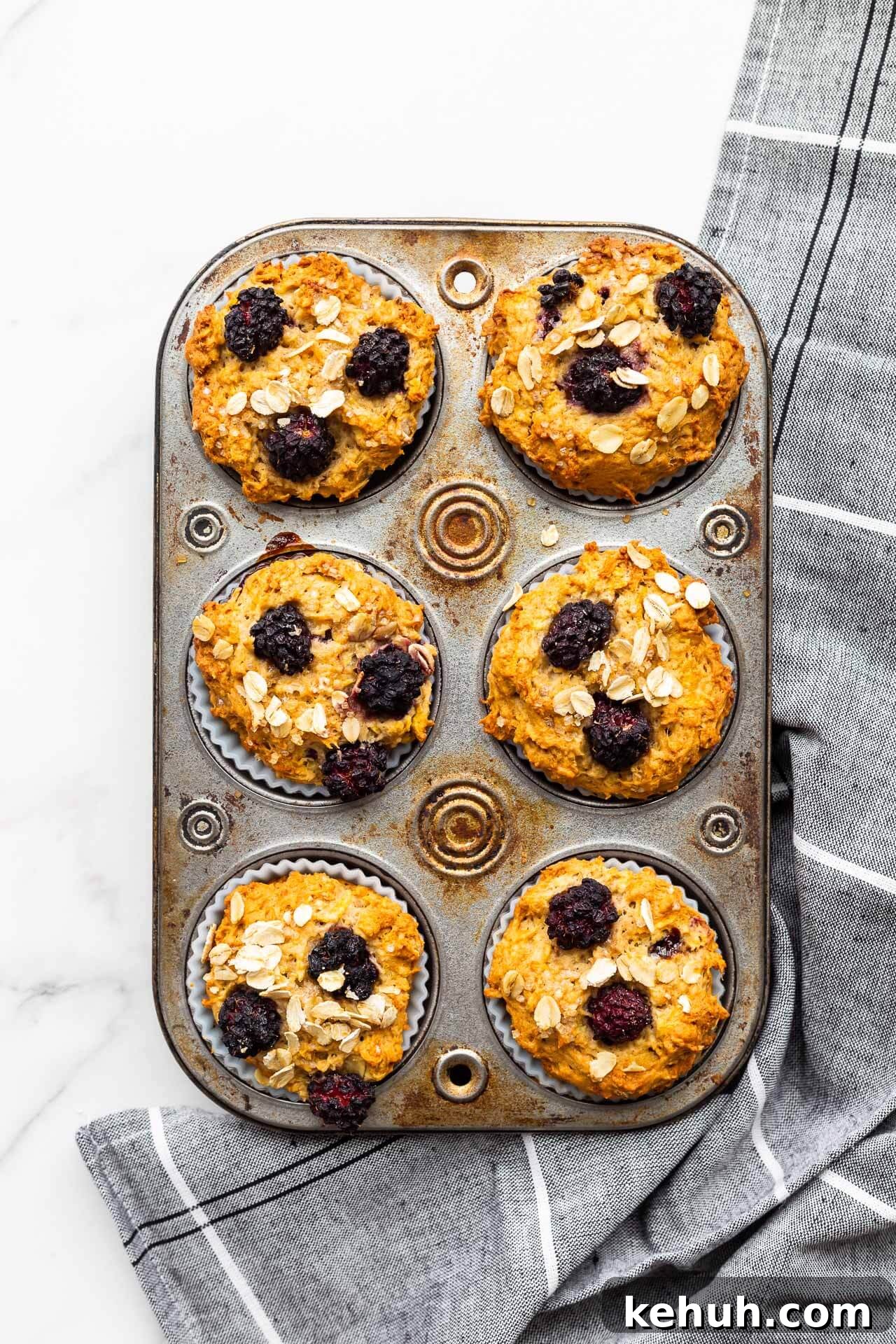
- Don’t overfill pans. Leave at least an inch between batter and pan rim. Fill muffin cups about three-quarters full to prevent overflow and ensure the centers bake through.
- Split batter for layers. Bake layer cake batter across two or three identical, shallow pans rather than one very deep pan. Shallow pans bake faster and more evenly and are easier to judge for doneness.
Conversion charts can help when you need to swap pan sizes or types.
Why do baking pans warp or bend in the oven?
Pans warp when thin or low-quality metal expands unevenly under extreme heat. Investing in thicker, higher-quality bakeware reduces the chance of warping. Heavy-duty brands and thicker construction are less likely to deform.
Why do baking pans rust?
“Stainless” steel varies in composition and quality—cheaper alloys can rust. Older iron pans or poorly finished metal can also corrode. Cast iron can rust if not dried and stored correctly.
How to prevent it
Dry metal bakeware immediately and thoroughly after washing. For cast iron, re-season or dry completely in a warm oven to evaporate all moisture before storing.
Why do glass pans explode?
Glass bakeware can shatter if it has damage or is subjected to rapid, extreme temperature changes (thermal shock). Inspect glass for chips or cracks and avoid moving it from hot to cold or vice versa abruptly.
Best practices for cleaning bakeware
Line pans with parchment when possible to minimize washing. Soak pans briefly in hot, soapy water to loosen residue and avoid abrasive scrubbers on coated or non-stick surfaces. Gentle scrubbing preserves finishes and extends the life of your bakeware.
Need more help with cake pans?
If you want to swap pan sizes or convert recipes between pan shapes, use a reliable pan conversion chart to match volumes and get consistent results when changing pans.
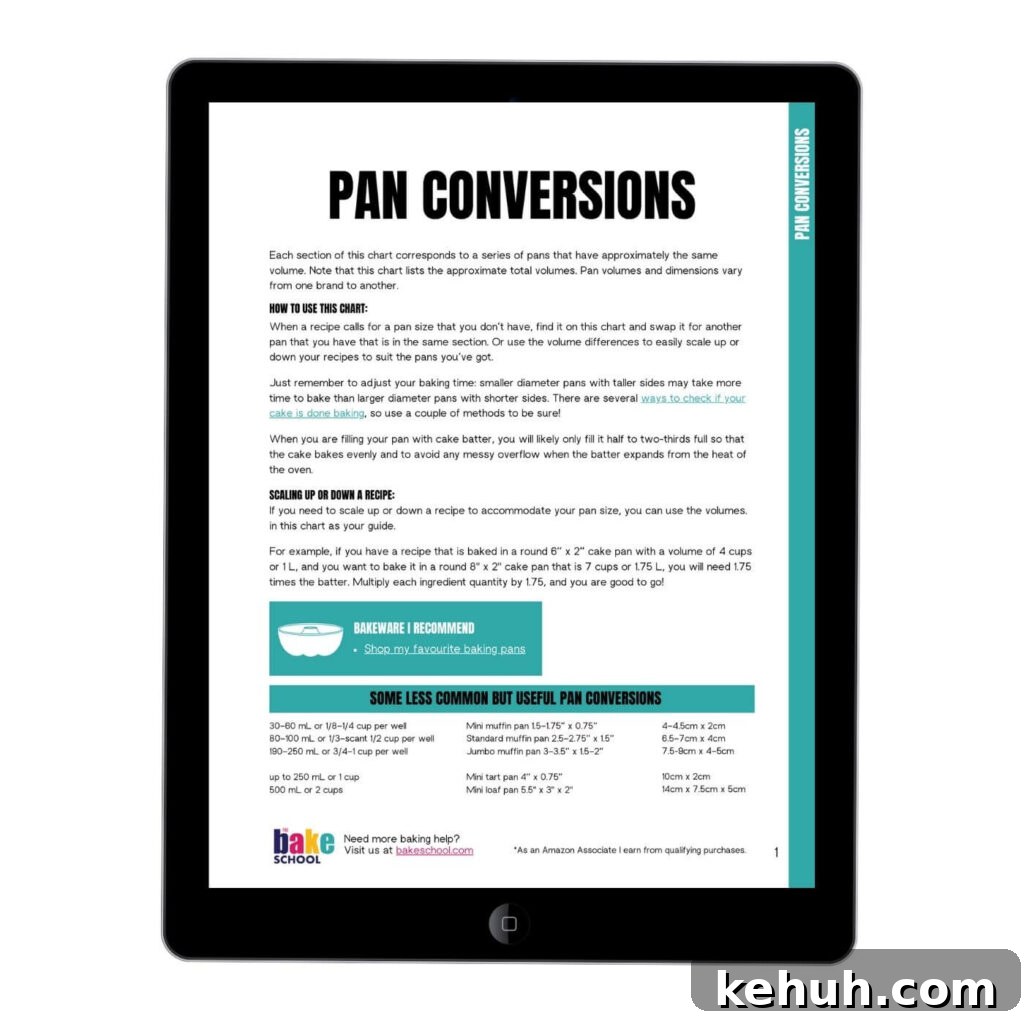
Pan conversions chart
A pan conversions chart helps you swap cake pans in a recipe by comparing volumes and equivalent sizes so you can adapt recipes accurately.