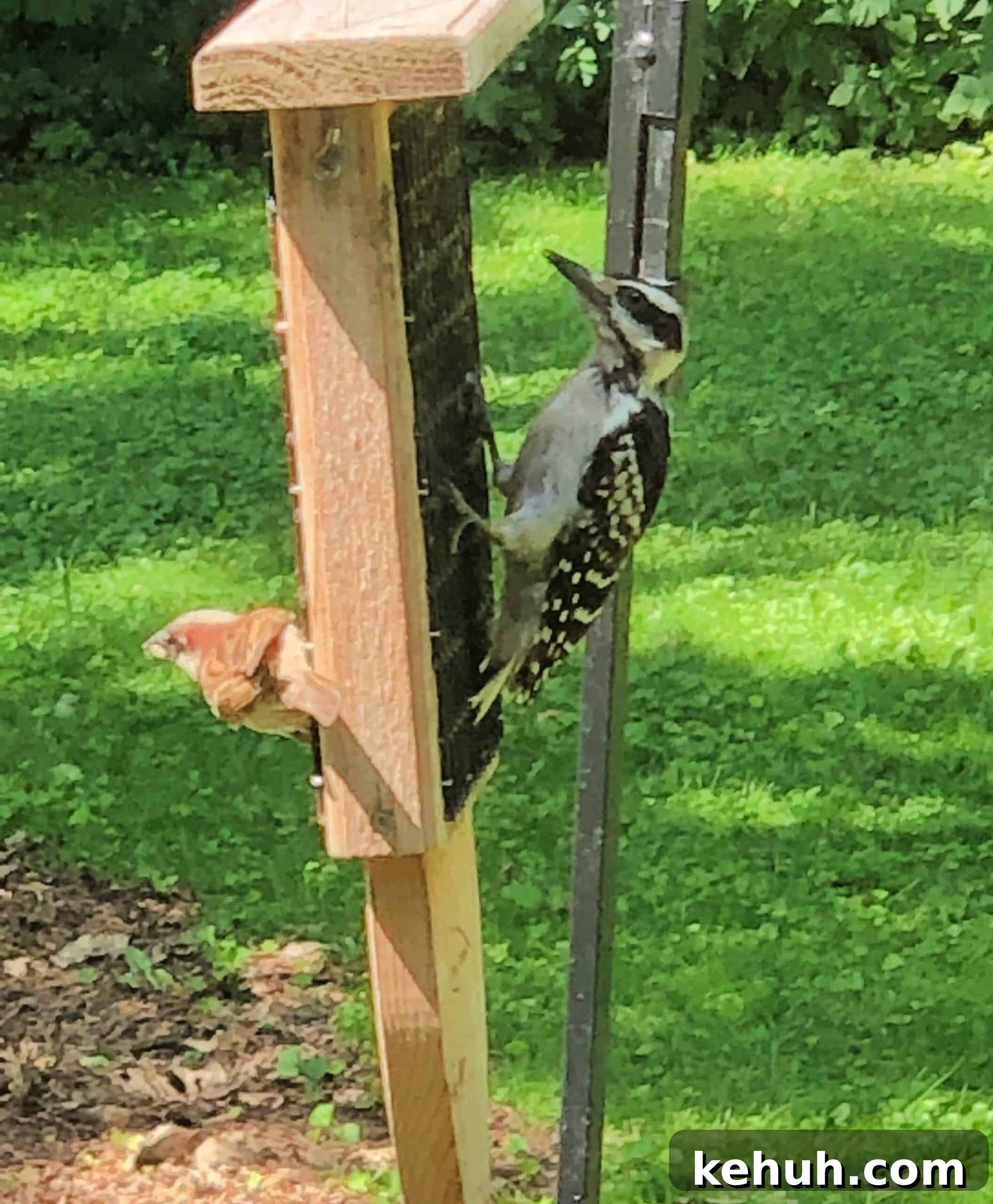
This recipe is for the birds!
I enjoy feeding backyard birds, and living in a wooded area brings a wide variety of feathered visitors. Their colors are often breathtaking and their songs delightful.
I used to think feeders only mattered in winter when natural food is scarce. Over time I learned that keeping feeders available year-round helps local bird populations and attracts more species, including some that visit only during migration.
With a suet feeder consistently stocked, I now get daily visits from three different kinds of woodpeckers — so it’s suet 24/7 around here.
Why make your own suet when store-bought is cheap? Homemade suet lets you avoid unnecessary preservatives and gives you control over ingredients. Plus, it’s fun to make.
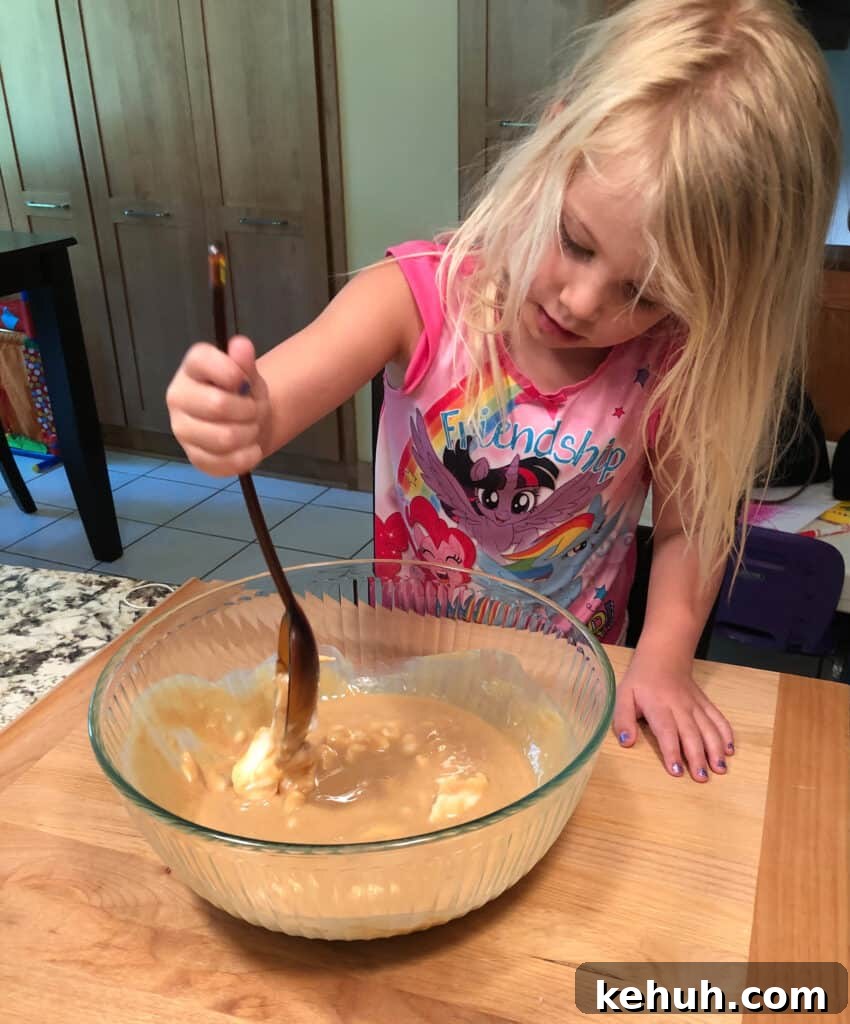
Especially if you have an assistant!
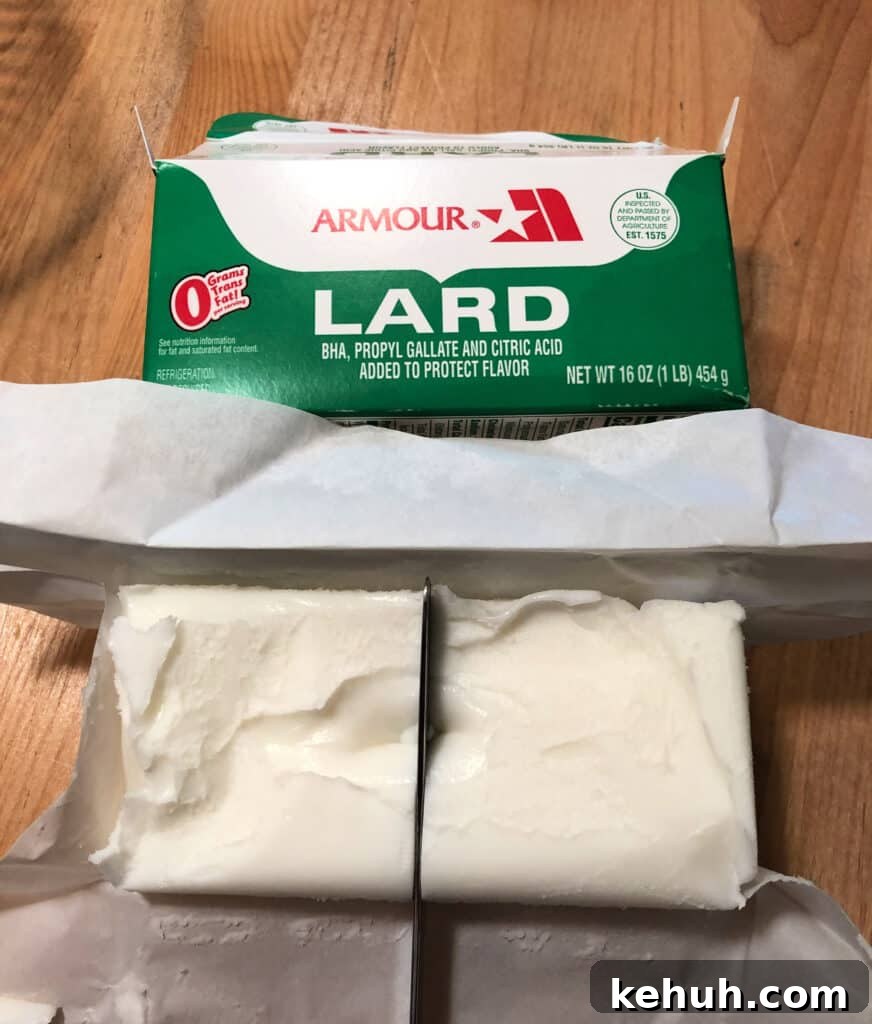
Let’s get started. The base for this suet is lard, which is rendered pork fat. You can find it in grocery stores near the oils, typically sold in 16 oz blocks.
Cut the block in half and use one portion to make suet, saving the other half for the next batch.
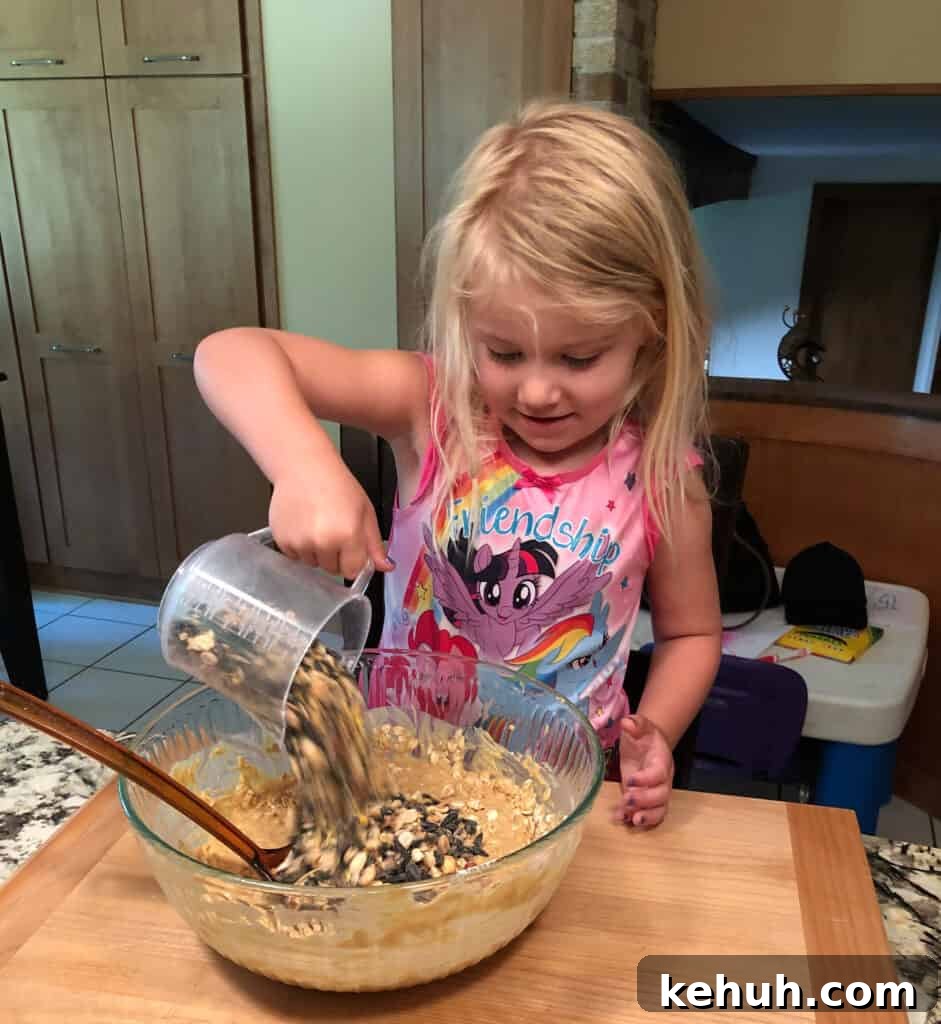
Melt the lard with a cup of peanut butter (a minute or two in the microwave works well). Then stir in the dry ingredients: flour, cornmeal, oatmeal, and birdseed.
For the dry mix use ½ cup flour plus a total of 3 cups of grains, a combination of cornmeal and oatmeal. The original recipe used 3 cups cornmeal, but substituting some oatmeal is fine. This batch used 1 cup cornmeal and 2 cups oatmeal. Once mixed, it’s ready to form into cakes.

I keep at least one plastic suet mold from store-bought suet. These are handy because suet feeders are designed for that size and shape. If you don’t have a mold, you can press the mixture into a pan — instructions follow.
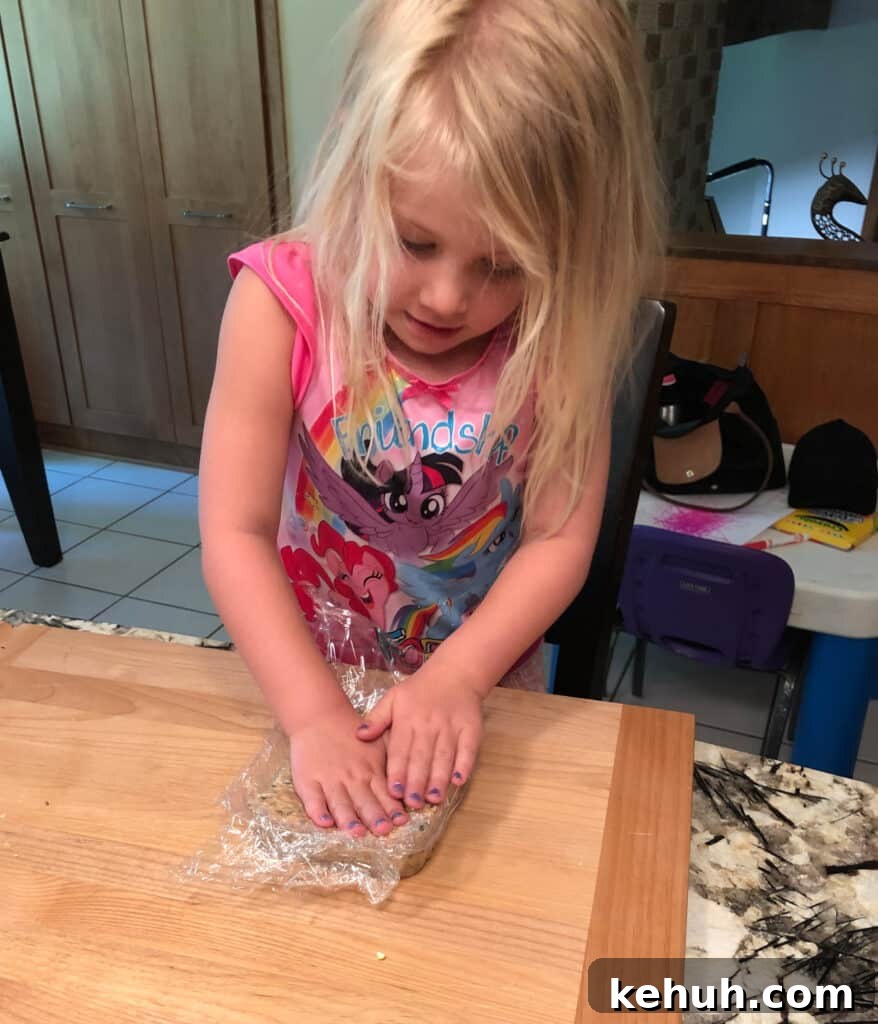
Line the mold with plastic wrap, leaving extra on the sides. Spoon the suet mixture into the mold and press firmly to remove air pockets and compact the mix.
Add more suet and press until the desired thickness is reached. Then fold the plastic wrap over the top, remove the cake from the mold, and wrap it tightly for refrigeration or freezing. Repeat until all the suet is used.
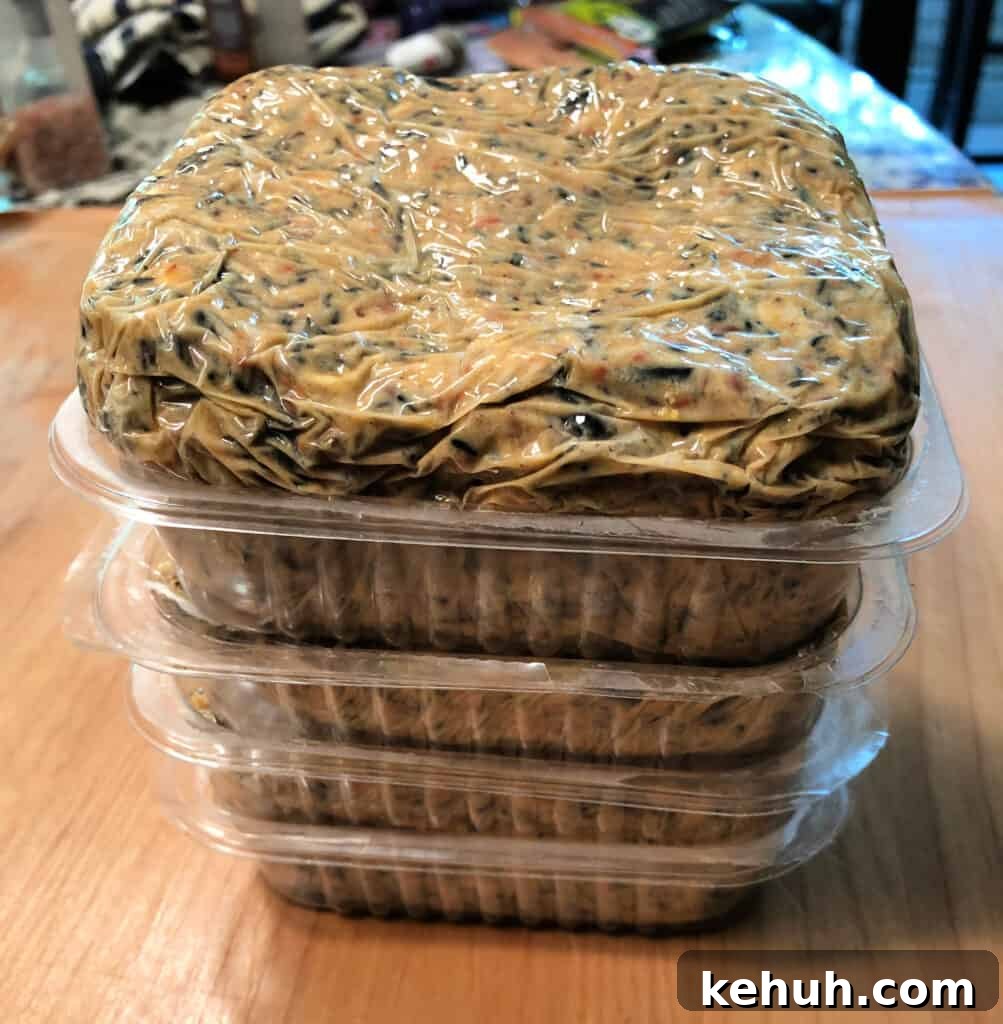
This recipe typically yields about five cakes. If you have multiple molds, you can leave wrapped cakes in the molds while freezing.
If you don’t have a mold, line a 9×13 pan with parchment paper and press the suet evenly into the pan. Chill the pan for at least 30 minutes until firm, then cut into pieces that fit your feeder and wrap each piece for storage. Cake edges may not cut perfectly, so a bit of elbow grease helps.
Place all cakes in the freezer to set completely and store until needed.
Note: homemade suet has no preservatives and can spoil or become rancid if left out in warm weather. The safest outdoor temperature is up to about 50°F. I sometimes extend that slightly but monitor the suet closely and replace it at the first sign of spoilage.
After making a batch I usually keep some cakes frozen for fall and alternate with store-bought suet during the summer months.
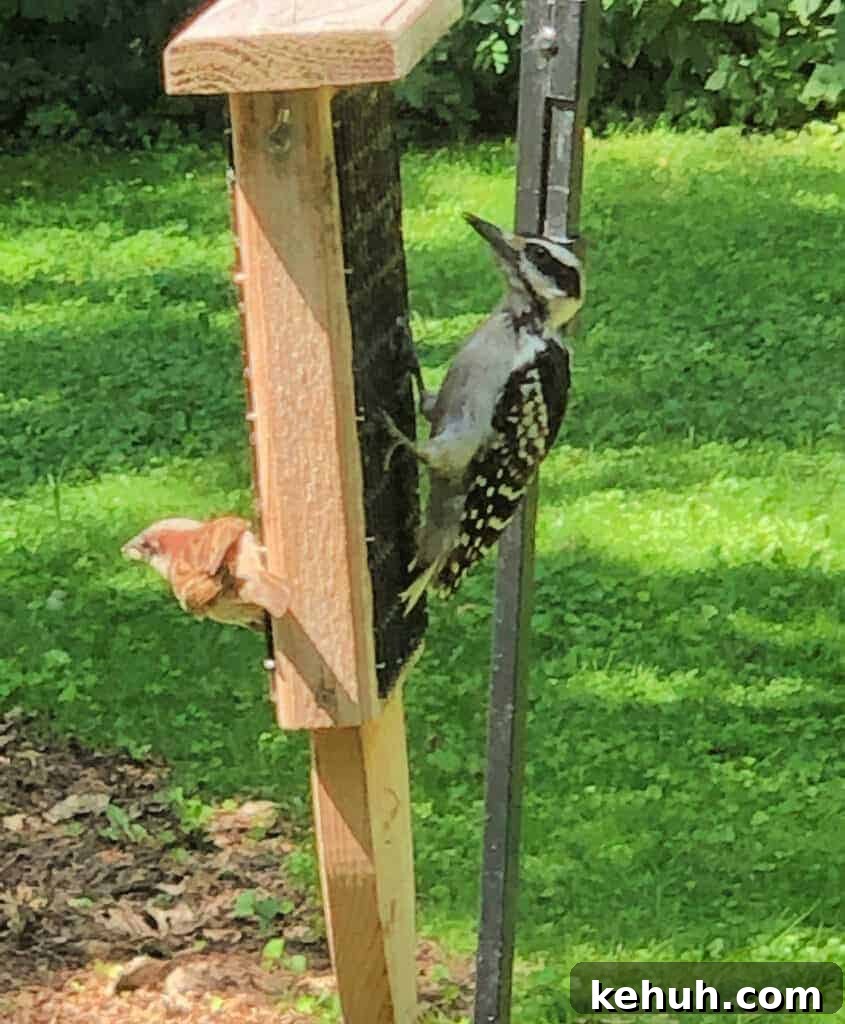
Attention birdwatchers: prepare for happy visitors!
📖 Recipe
Bird Suet
10 minutes
10 minutes
Equipment
-
flat molds or pan
Ingredients
- 1 cup lard 8 oz
- 1 cup peanut butter chunky preferred
- 3 cups cornmeal + oatmeal
- ½ cup flour
- 4 cups birdseed
Instructions
-
Place lard and peanut butter in a large bowl. Microwave on high for 1–2 minutes until melted and smooth.
-
Stir in cornmeal, oatmeal, flour, and birdseed. Mix thoroughly so the dry ingredients are evenly coated.
-
Line a mold with plastic wrap, leaving extra wrap on the sides. Add the suet mixture and press firmly to compact. Fold the extra wrap over to enclose the cake, then remove it from the mold. Repeat with remaining mixture.
-
Place the wrapped cakes in the freezer to set completely. Store frozen until ready to use.