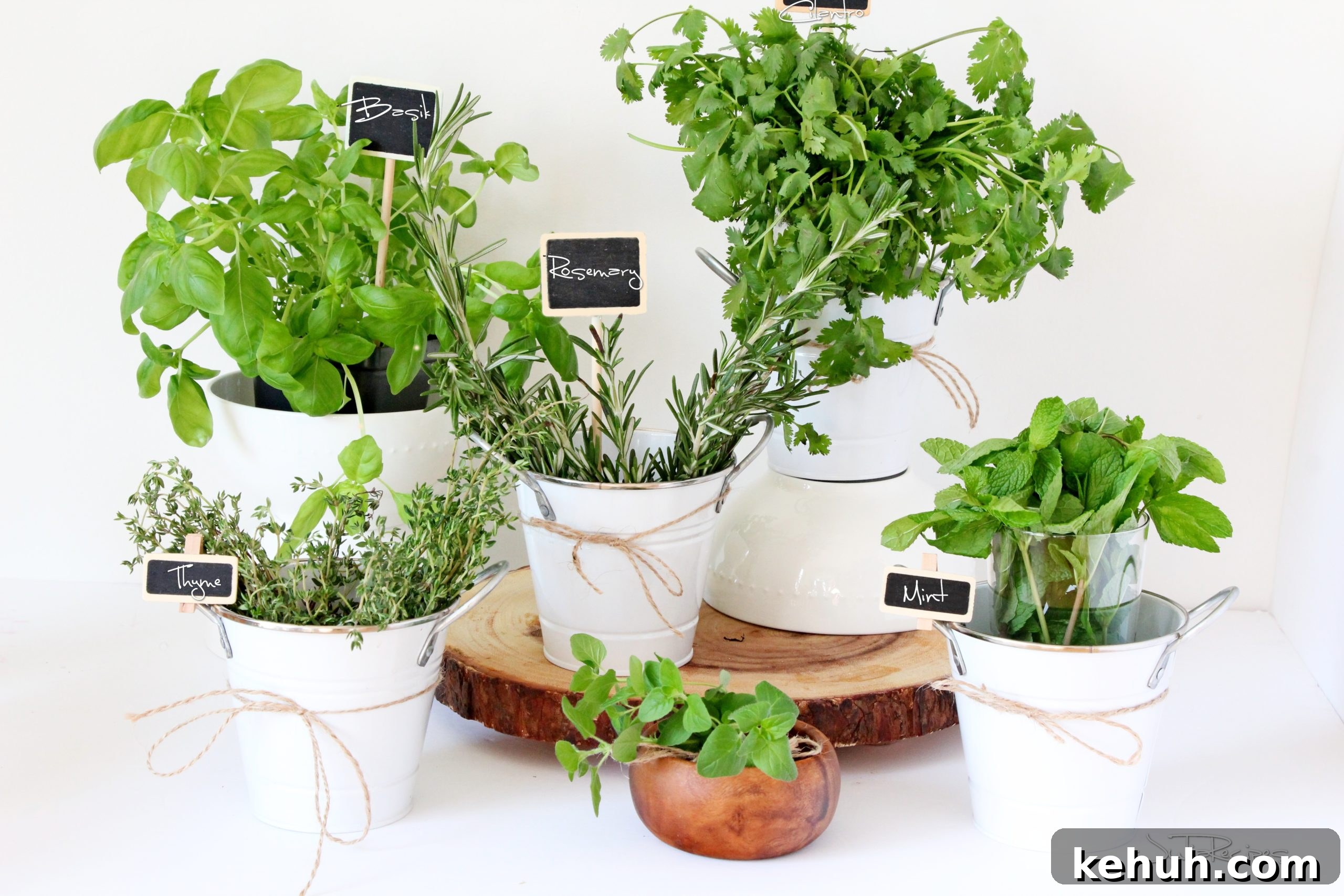
MY HERB HEAVEN
written by @JuliaRecipes
“This post may contain affiliate links. Please see disclosure page for more information.”
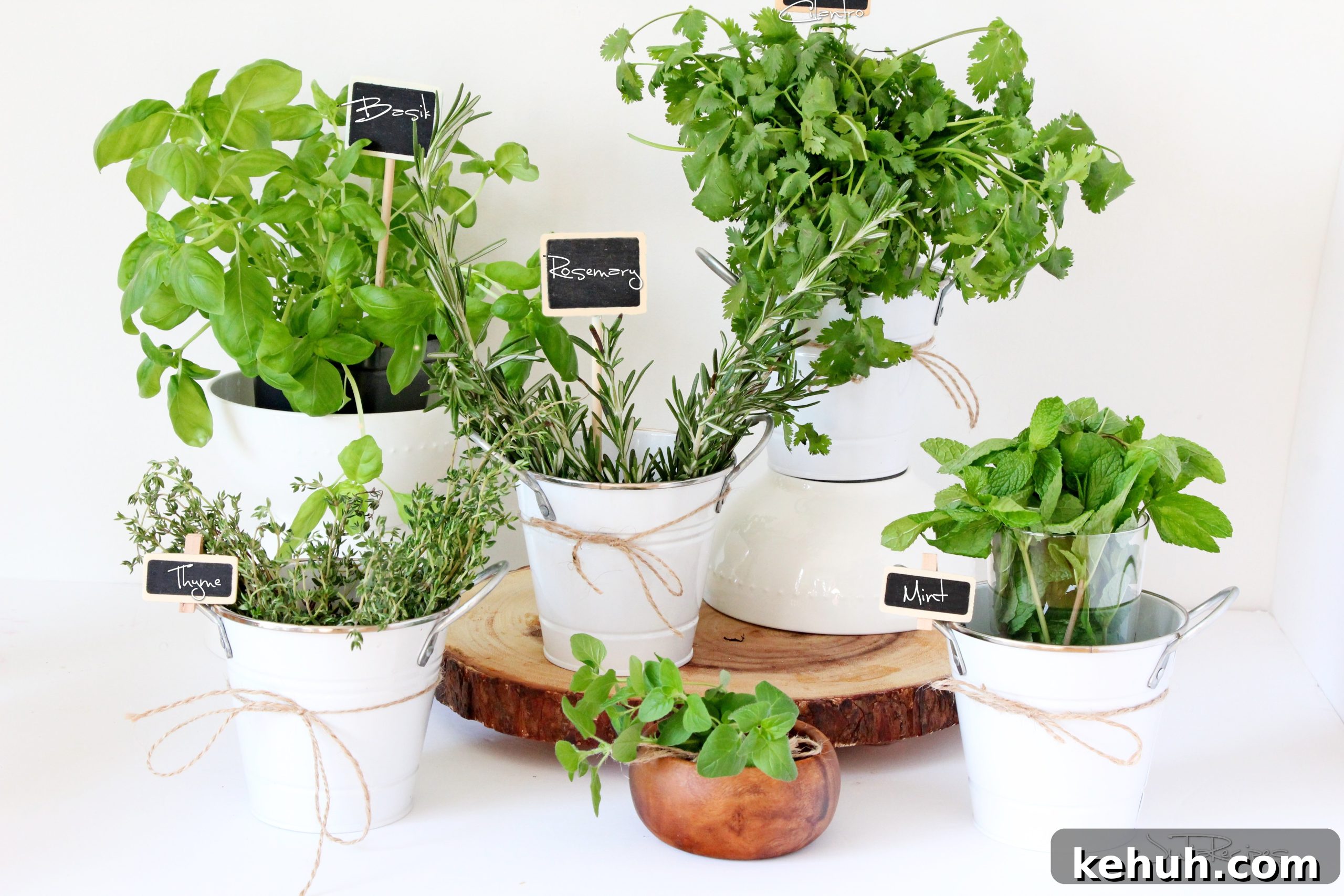
Dear readers, I’ve been away for a few weeks because I’ve been busy in my garden. I adore herbs, and fresh herbs grown at home are among the most flavorful treasures you can add to everyday cooking. In this guide I’ll show how simple it is to start an herb garden—whether you have a sunny balcony, a small patio, or a patch of yard. I’ll also share which herbs pair best with different foods so you can make the most of your harvest.
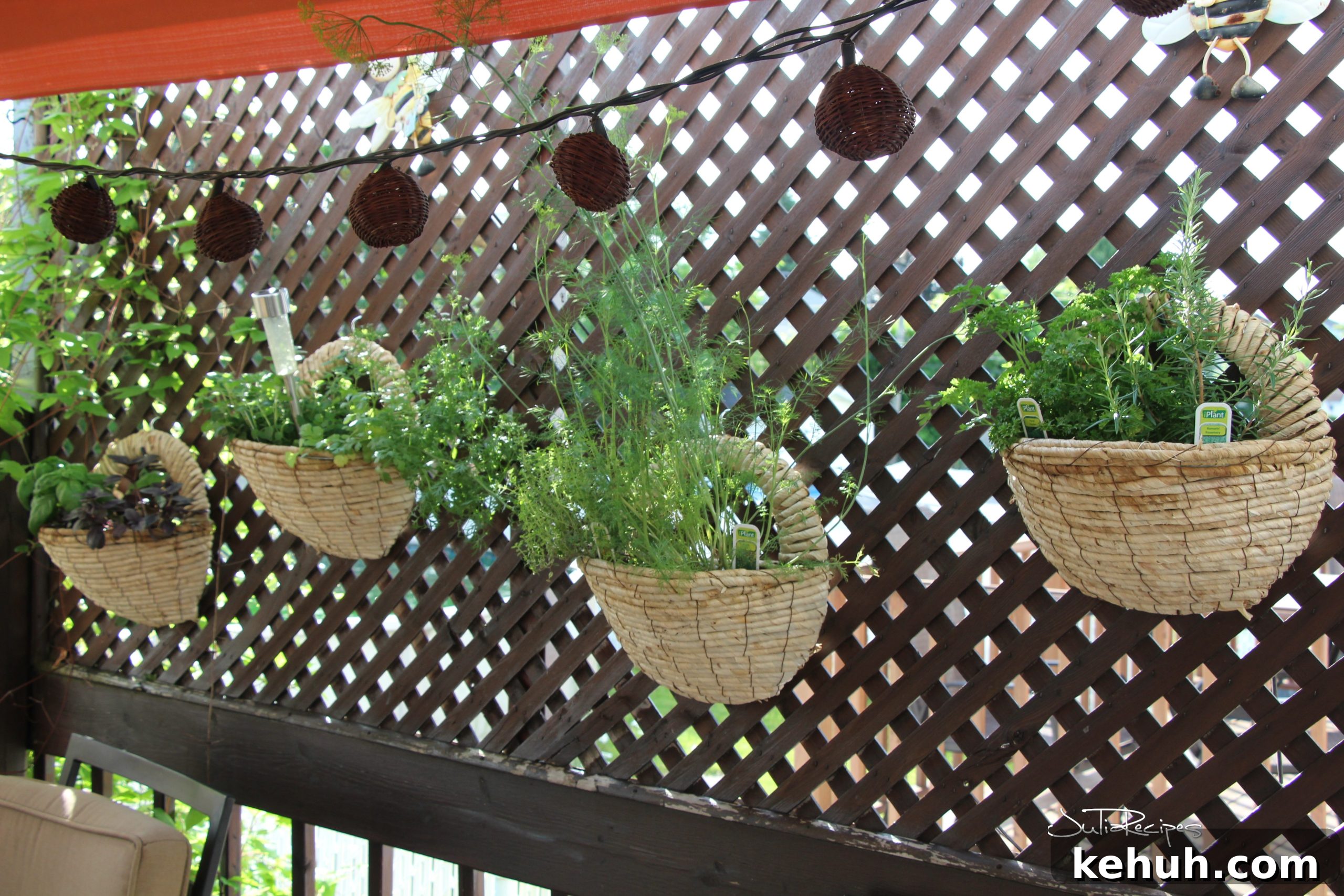
Even in a small apartment you can grow flavorful herbs that brighten pasta, salads, roasts, desserts and drinks. I’ll cover the most common varieties to get you started, beginning with basil—an essential in many kitchens.
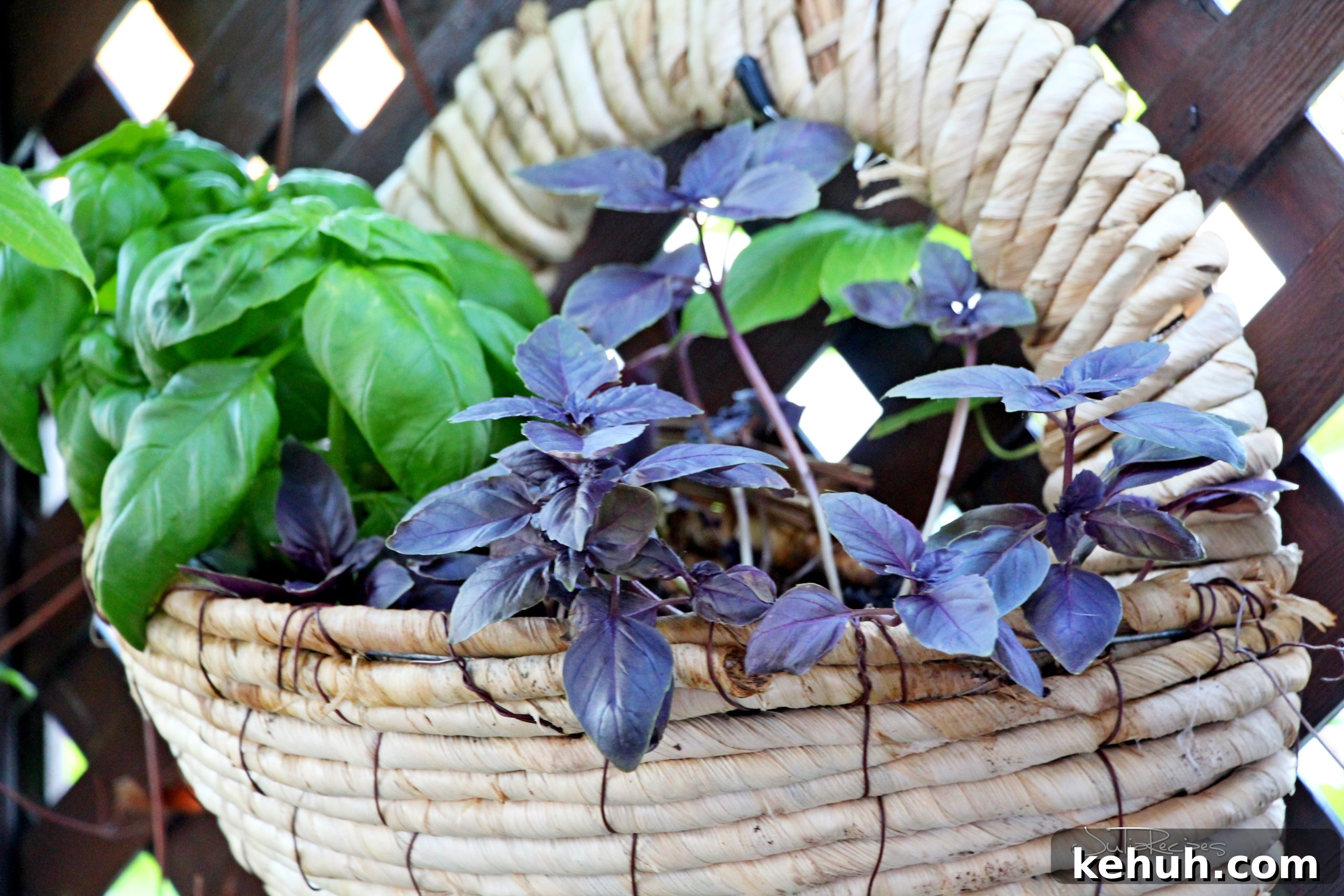
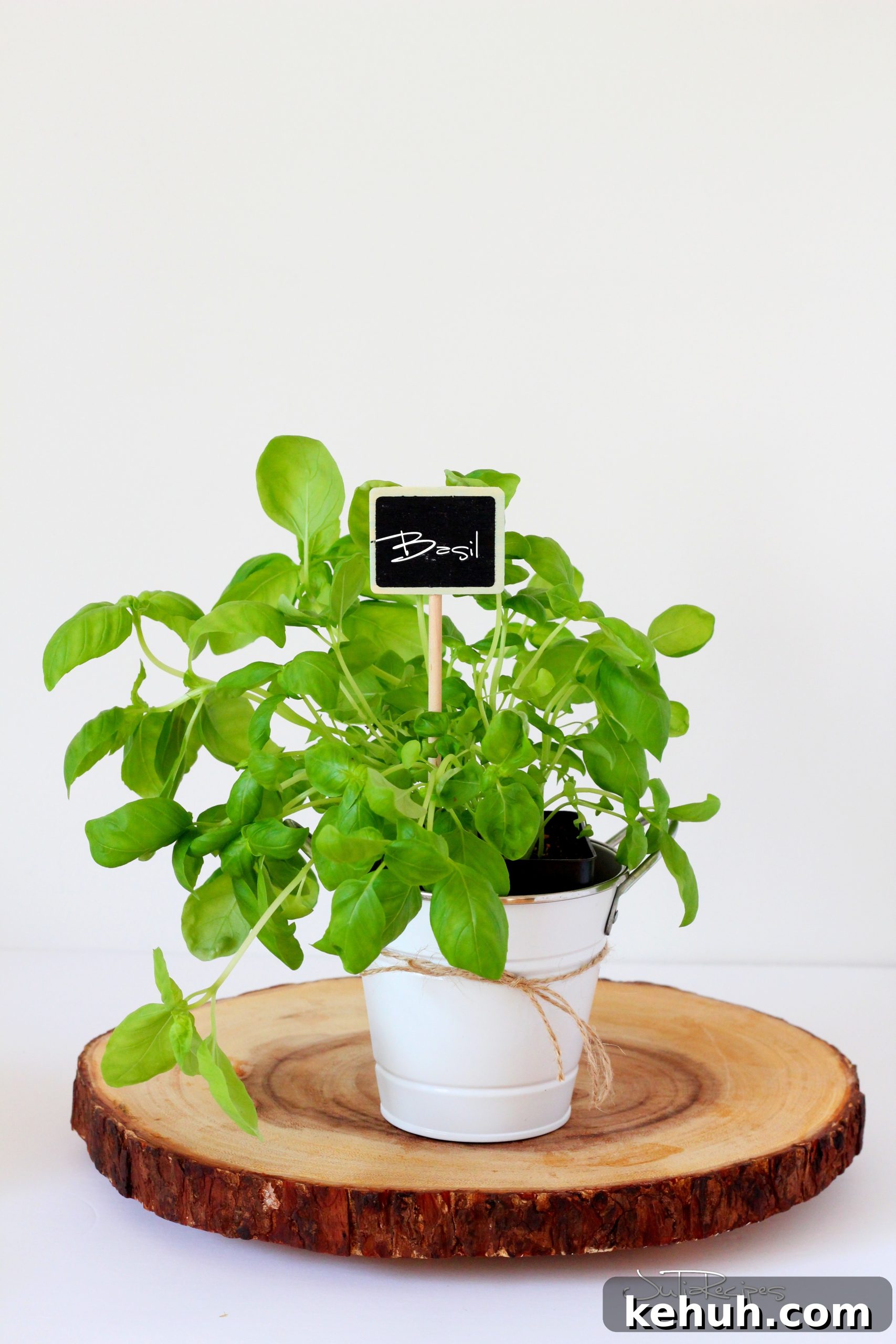
BASIL
Basil is indispensable in Italian cooking and very popular in many other cuisines. Add basil near the end of cooking so its delicate flavor stays bright. Fresh basil pairs beautifully with pasta, tomatoes, cheeses, pork, cucumber, watermelon, fish and lamb. Keep basil plants in bright light and pinch regularly to encourage bushy growth.
Excellent pairing with
- Pasta
- Pork
- Tomatoes
- Watermelon
- Cheese
- Cucumber
- Fish
- Lamb
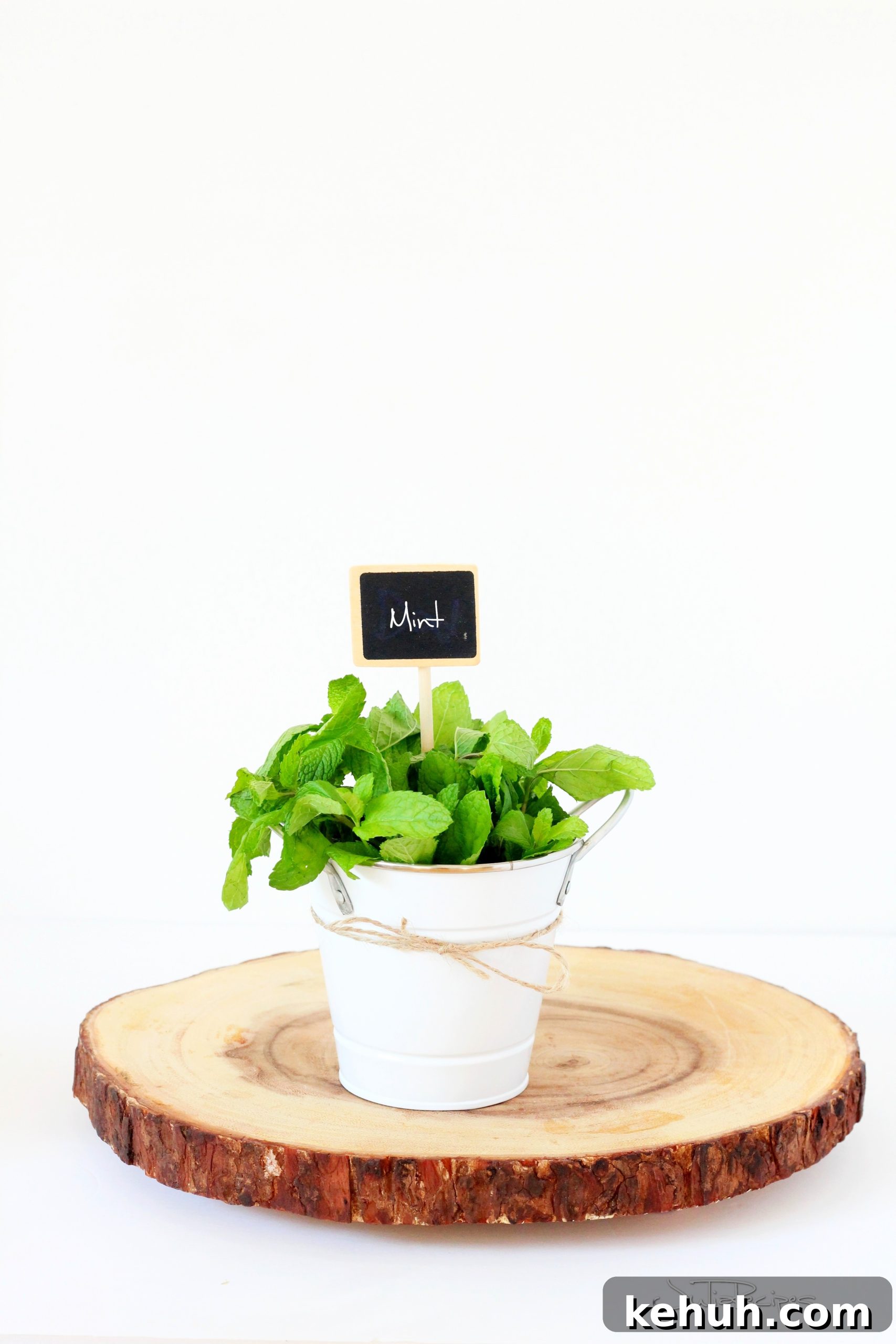
MINT
Mint brings a bright, cooling aroma to both sweet and savory dishes. It’s a natural in summer drinks and cocktails, soothing teas with honey, fruit salads and refreshing lemonades. Use mint in dips like hummus or as a garnish for desserts. It grows quickly, so plant it in its own pot to prevent it from overtaking other herbs.
Excellent pairing with
- Watermelon
- Strawberries
- Green peas
- Peach
- Lamb
- Blueberries
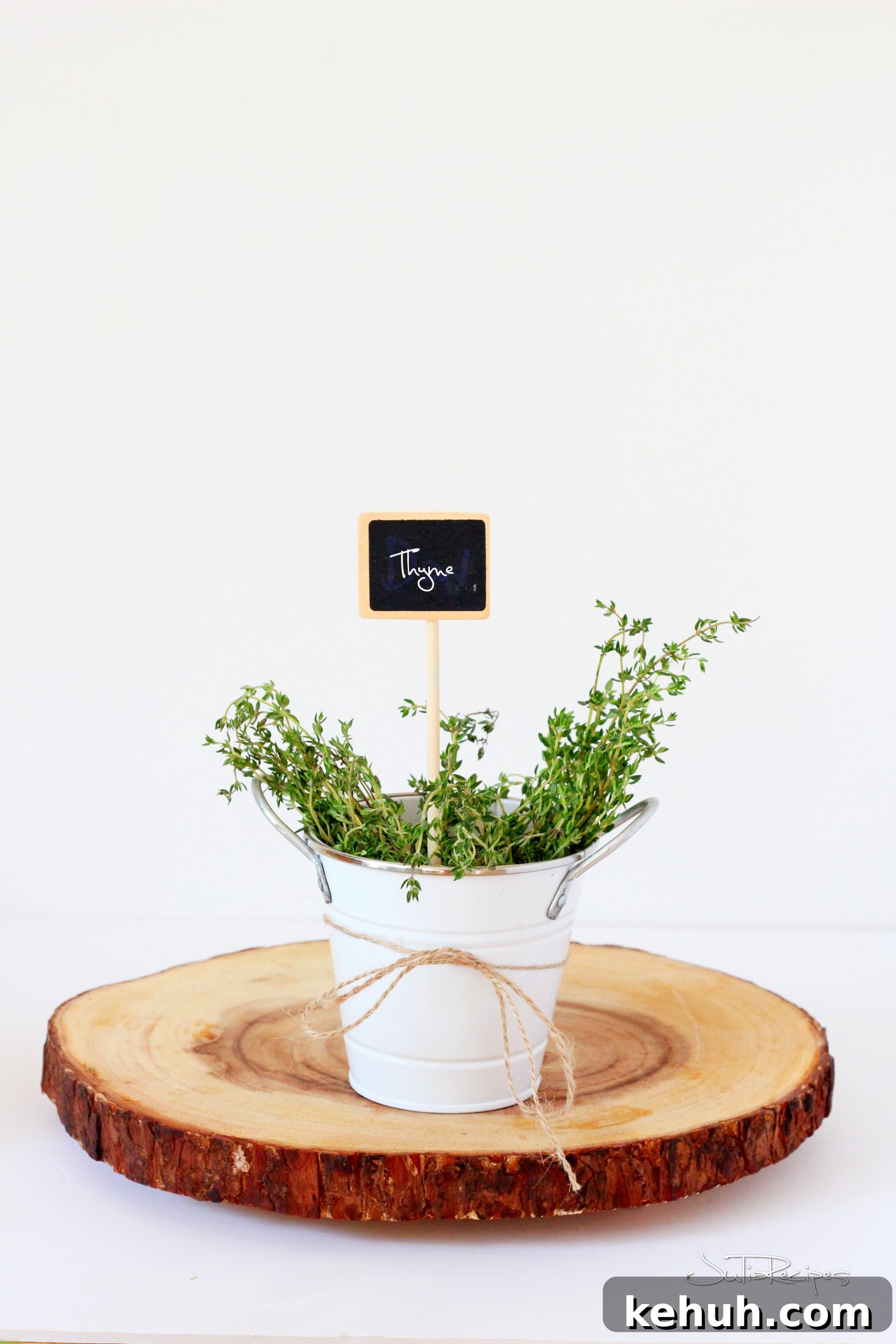
THYME
Thyme has an earthy, savory character that holds up well in long-cooked dishes. Its pronounced flavor works beautifully in roasts, stews, braises and with mushrooms. Use thyme in beef dishes, poultry, pork roasts and hearty vegetable preparations. Because its flavor intensifies with cooking, add thyme early in recipes that simmer or roast for a long time.
Excellent pairing with
- Beef
- Bread
- Carrots
- Cheese
- Eggs
- Fish
- Grapes
- Mushrooms
- Pork
- Poultry
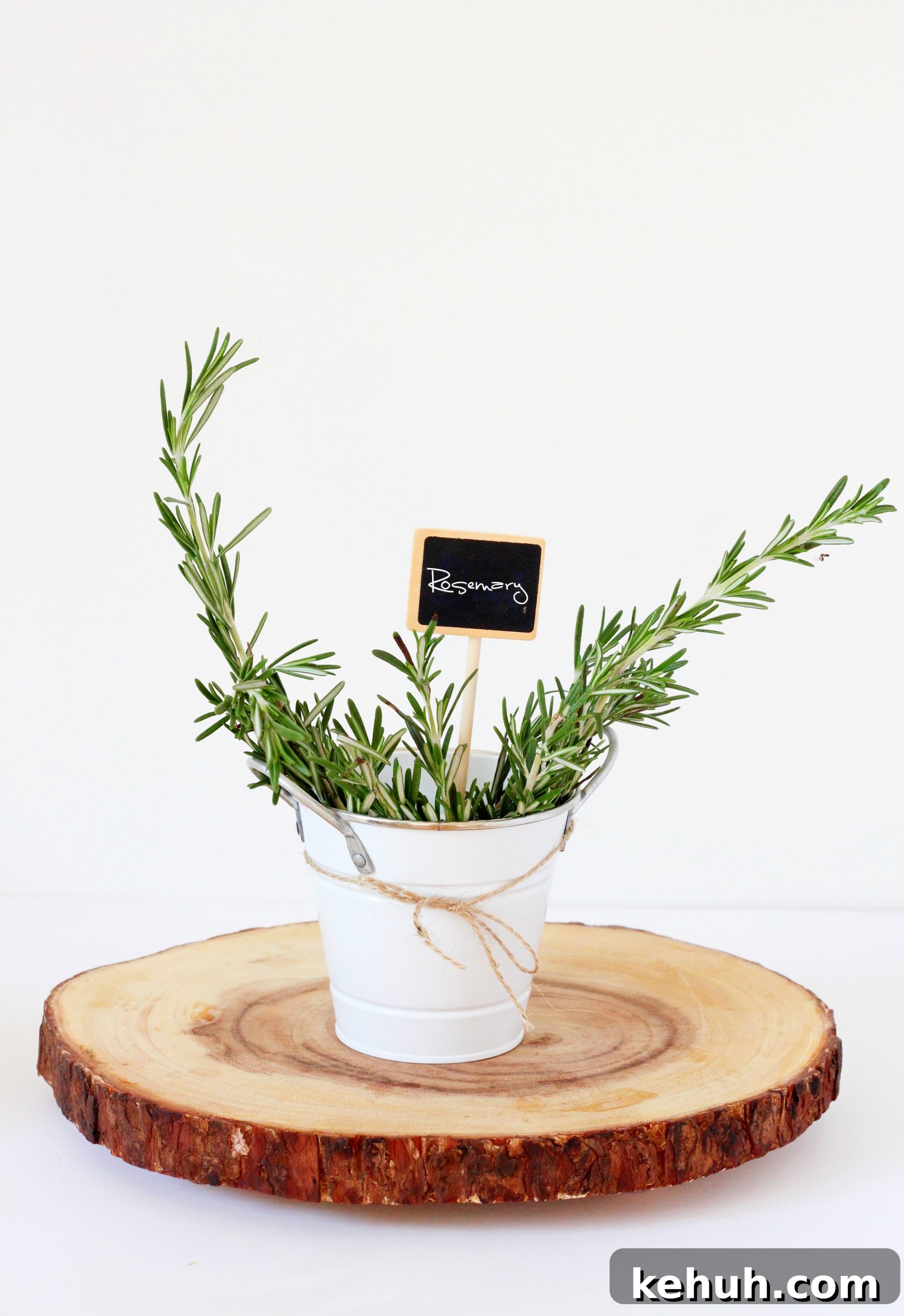
ROSEMARY
Rosemary’s needle-like leaves carry a piney, woody fragrance that complements roasted meats and root vegetables. It’s delicious with roasted sweet potatoes, on lamb, with roasted fish and in stuffing. A little rosemary goes a long way; use sparingly or tie sprigs together for easy removal after cooking.
Excellent pairing with
- Cheese
- Cucumber
- Fish
- Lamb
CILANTRO (Coriander)
Cilantro, also called coriander, has a fresh citrusy note that brightens salsas, guacamole, salads and many Mexican and Southeast Asian dishes. Use cilantro fresh whenever possible—its delicate leaves lose flavor when dried or frozen. Chop and add at the end of cooking or use as a fresh garnish for soups, tacos and fruit salsas.
Excellent pairing with
- Beef
- Fish
- Prunes
- Pork
- Poultry
- Tomatoes
Using more herbs adds flavor and helps reduce the need for salt. Herbs brighten both taste and appearance, making meals more appealing and healthier. Fresh herbs also extend the variety of flavors you can enjoy with simple ingredients.
HOW TO KEEP YOUR HERBS LOOKING FRESH LONGER
(fresh cut of herbs)
- Choose herbs that look fresh and vibrant.
- Remove herbs from packaging as soon as possible.
- Place cut herbs in a glass of water, similar to a bouquet.
- Keep them on the counter in bright light but out of direct sun.
- If you buy herbs in pots, replant them promptly for best health.
PLANNING YOUR HERB GARDEN
1. Choosing a location
Most culinary herbs need at least six hours of sunlight and well-drained soil. When selecting a spot, look for a sunny, well-drained area that’s convenient for harvesting—near the kitchen or patio is ideal.
2. Preparing the soil
Prepare the planting area by working in plenty of compost, especially if your soil is heavy clay or very sandy. Compost provides nutrients without the high nitrogen levels found in some manures, which can cause rapid leaf growth but weaker flavor. Well-amended soil gives herbs the best start.
3. Planting and care
You can start herbs from seed or plant nursery seedlings. Seedlings are quicker to establish, but seeds are economical. Aim to provide about 2 inches of water per week, adjust for rainfall, and harvest frequently. Regular cutting encourages fuller growth and more foliage to harvest. At the end of the season, dry or freeze surplus herbs to enjoy their flavor year-round.
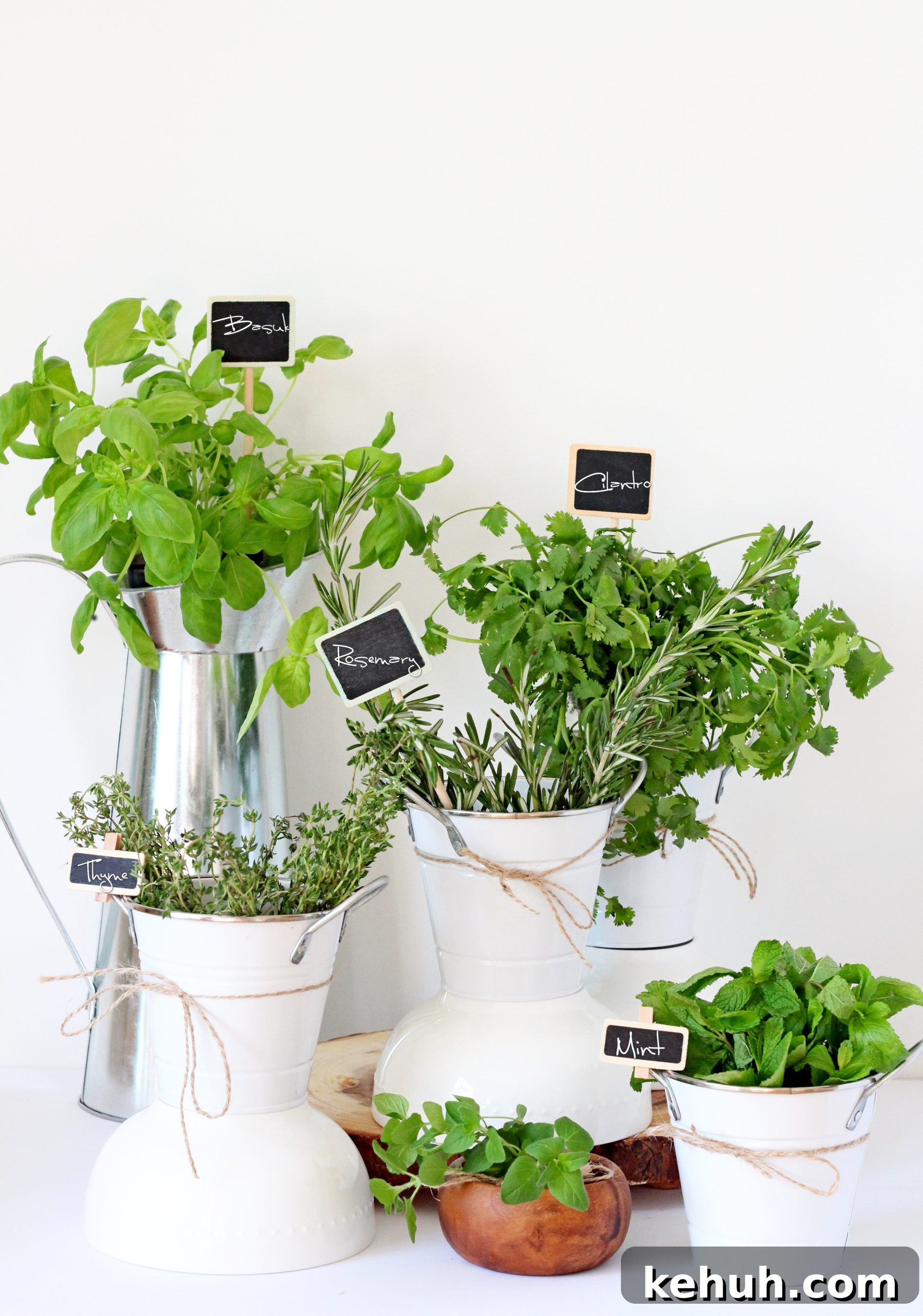
GROWING HERBS IN CONTAINERS OR POTS
Containers are perfect when space is limited or when you want to move herbs indoors for winter. Use pots with good drainage—terra cotta is ideal, but plastic, wood or metal containers work if they drain well. If you repurpose nontraditional containers, make drainage holes and add a drip plate for indoor use. Plant herbs separately or combine compatible varieties in larger pots, being careful not to overcrowd so each plant gets room to thrive.
LET’S PLANT
Start by adding a drainage layer of rocks, gravel or lightweight packing material to the bottom quarter of the pot. Broken terra cotta shards work well and add weight; for containers you may move indoors, lightweight pellets reduce heft. Use a high-quality potting mix and fill to about 2 inches from the rim to allow space for watering. Potted herbs typically need occasional feeding during the growing season. Because containers dry out faster than garden soil, check moisture regularly and water as needed.
I hope these tips encourage you to start your own herb garden. Buying established plants gives quick results, and now—before summer—is a great time to begin. Enjoy the scent, flavor and beauty of a garden full of herbs.