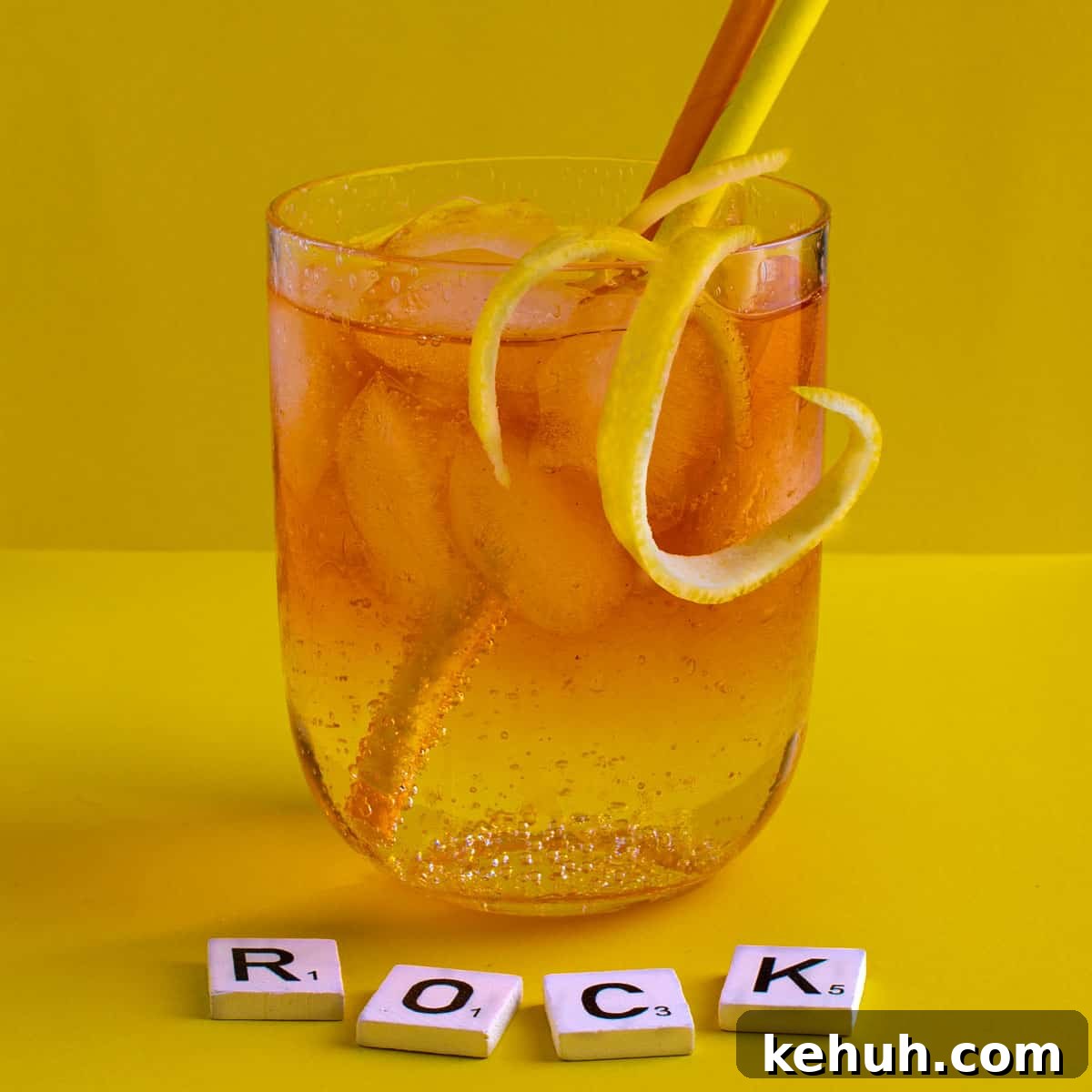
Rock shandy is a crisp South African drink made with equal parts fizzy lemonade and soda water, finished with a few dashes of aromatic bitters. Bright, slightly bitter and pleasantly fizzy, it’s an ideal thirst-quencher for hot days, braais and relaxed summer gatherings.
It’s commonly served as a non-alcoholic or very low-alcohol option: traditional Angostura bitters contain alcohol, but only a few dashes are used so the finished drink has only trace amounts. If you need a completely alcohol-free version, see the notes below.
[feast_advanced_jump_to]
Recipe updated 01 June 2026: Added alcohol-free notes, jug measurements, variations and troubleshooting.
What is a Rock Shandy?
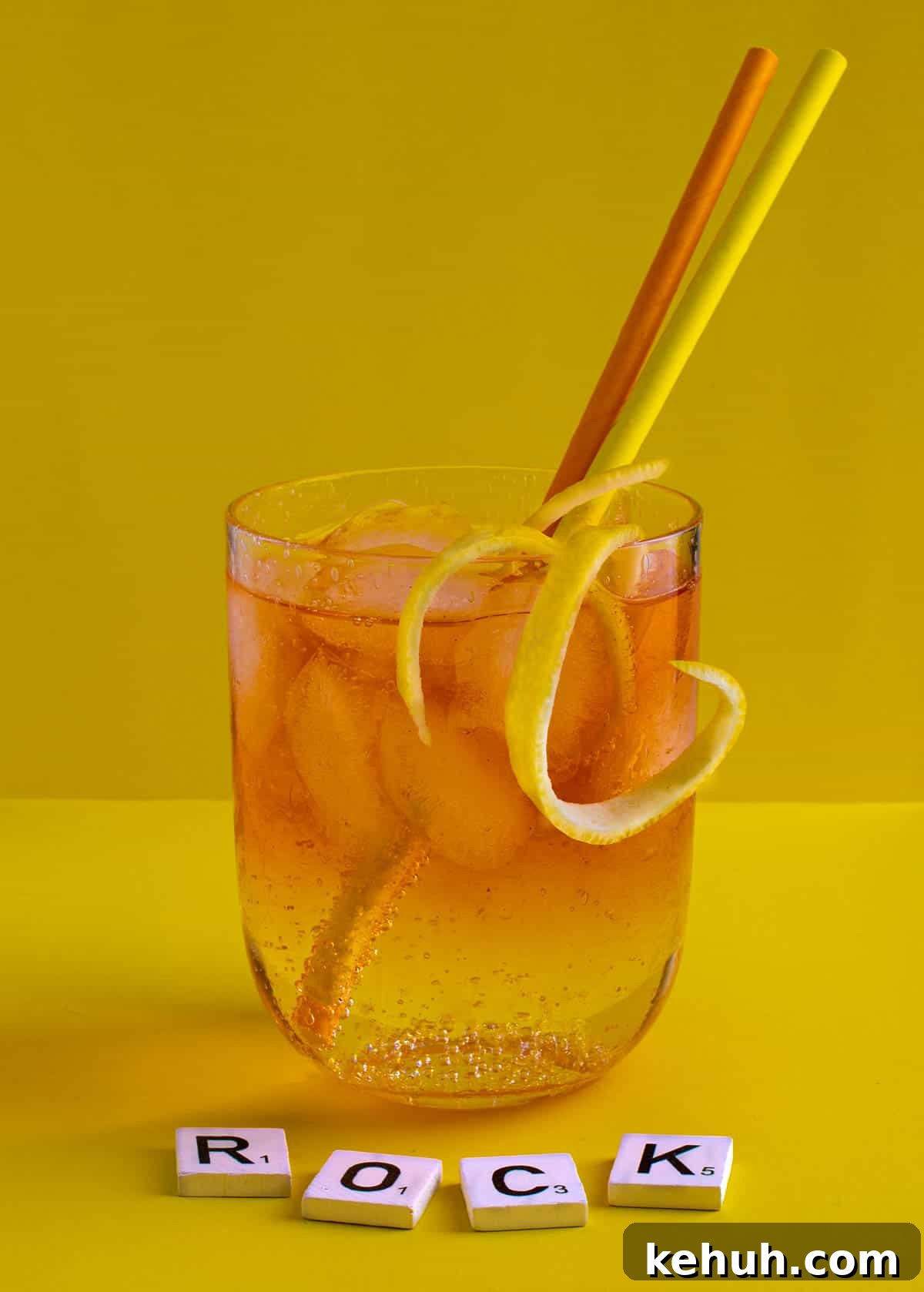
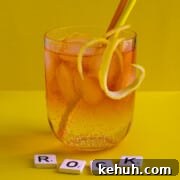
In South Africa, a Rock Shandy is mixed by hand in a glass using fizzy lemonade, soda water, a few dashes of Angostura bitters, ice and a lemon garnish. You’ll find it on many menus as a cooling, non-complex drink for lunches, braais and warm afternoons.
This recipe describes the South African hand-made version, not the bottled Irish soft drink called Club Rock Shandy.
Why this Rock Shandy works
- Just three core ingredients — lemonade, soda water and aromatic bitters.
- Ready in minutes — build it directly in the glass over ice.
- Balanced, not cloying — soda water lifts the sweetness and bitters add depth.
- Easy to scale — keep equal parts lemonade and soda water, adjust bitters to taste.
- Perfect for casual entertaining — refreshing and fuss-free for warm-weather gatherings.
Key ingredients
The full ingredient list and measurements are in the recipe card below.
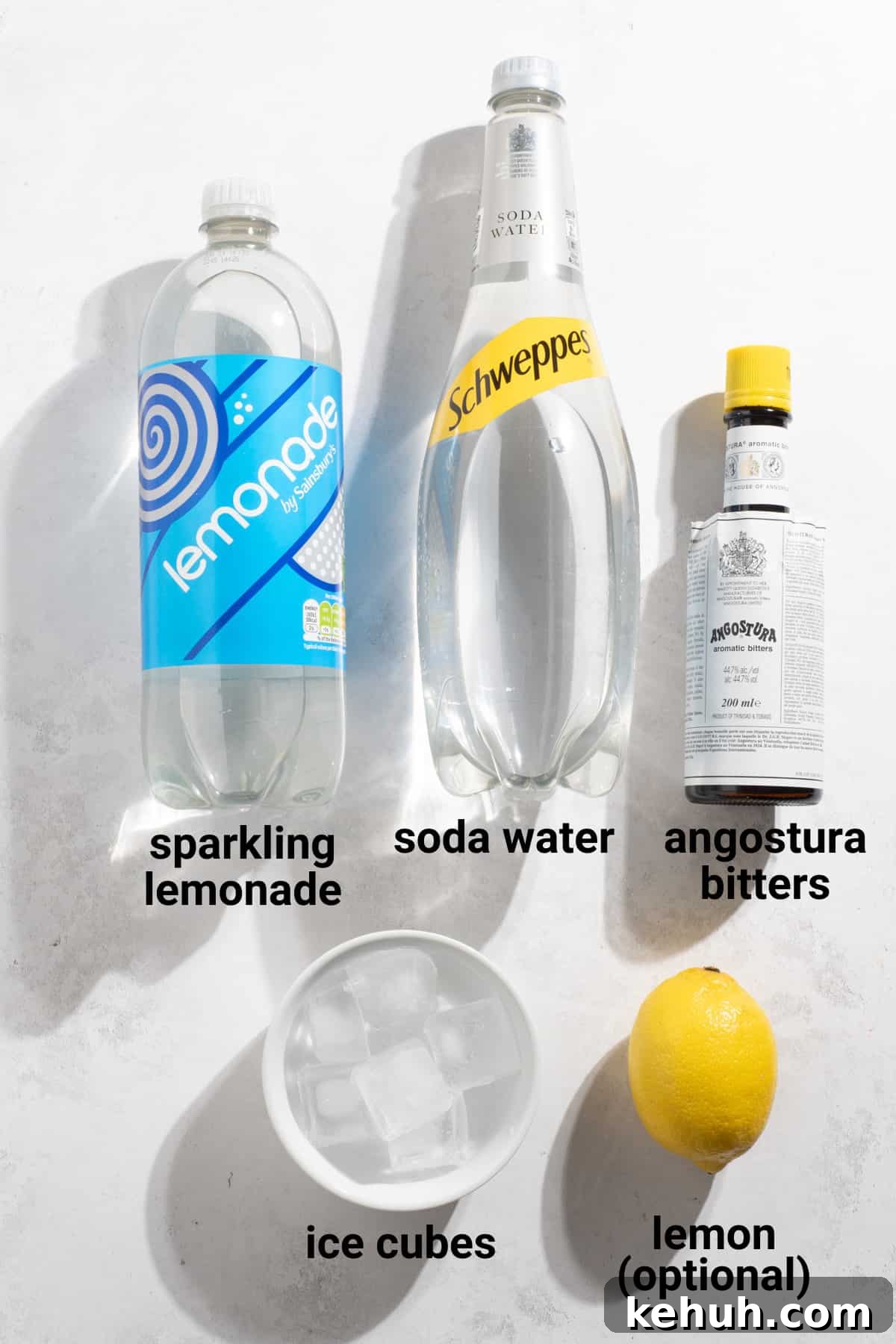
Lemonade
Use a clear, fizzy lemon-lime soda such as Sprite, 7UP or a Schweppes-style lemonade for the classic Rock Shandy flavour. In places where still homemade lemonade is common, don’t substitute it — you want a carbonated, clear drink. Sugar-free lemonade works well if you prefer fewer calories.
Soda water
Soda water lightens the lemonade and keeps the drink refreshing rather than overly sweet. Plain soda water is the traditional choice.
Aromatic bitters
Angostura bitters give Rock Shandy its characteristic colour and subtle herbal bitterness. Traditional bitters contain alcohol, but only a few dashes are used. If a zero-alcohol drink is required, choose an alcohol-free bitters alternative.
Ice and lemon
Serve very cold with plenty of ice. Finish with a lemon slice, wedge or a twist of peel for a neat, simple garnish.
How to make a Rock Shandy
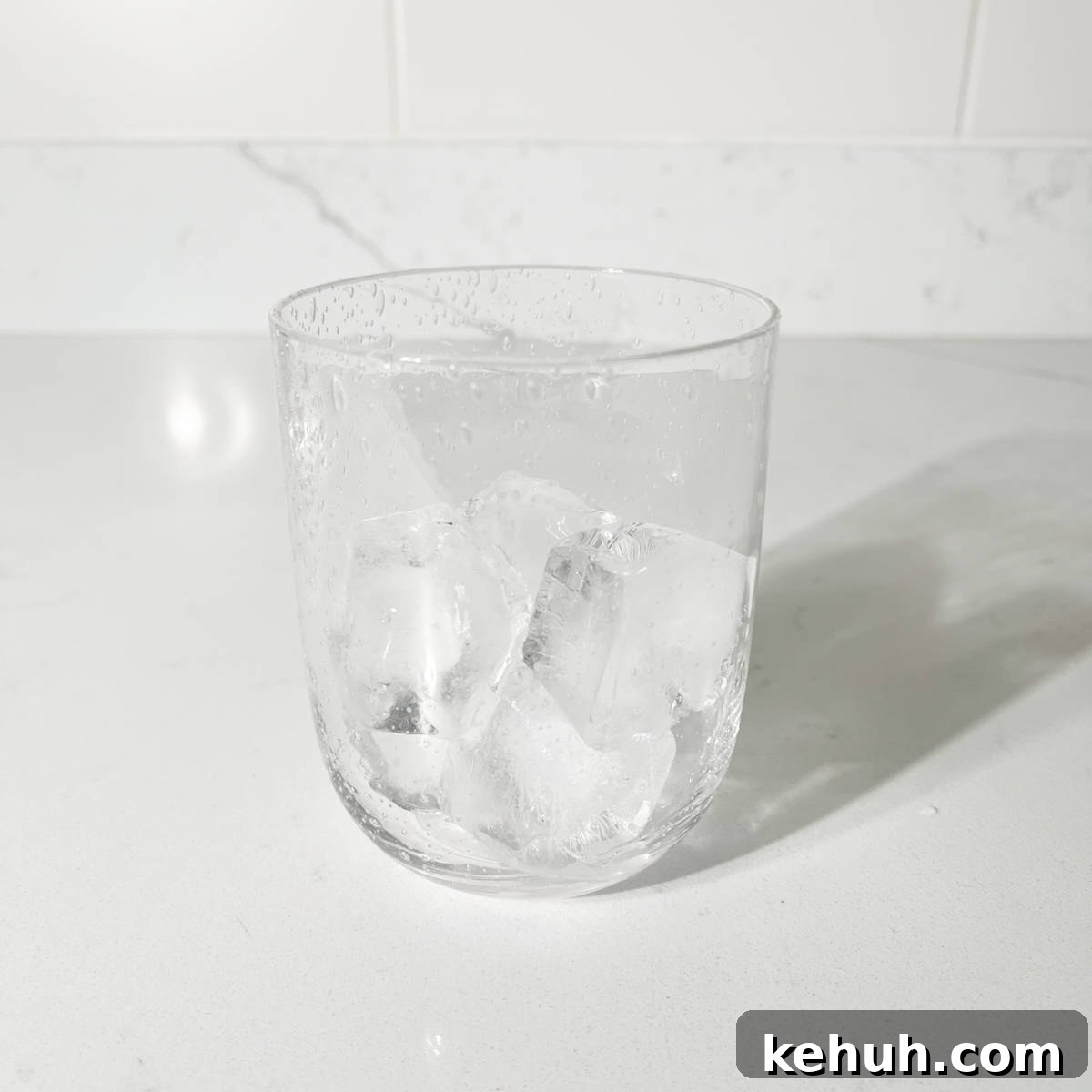
1. Fill a tall glass with ice.
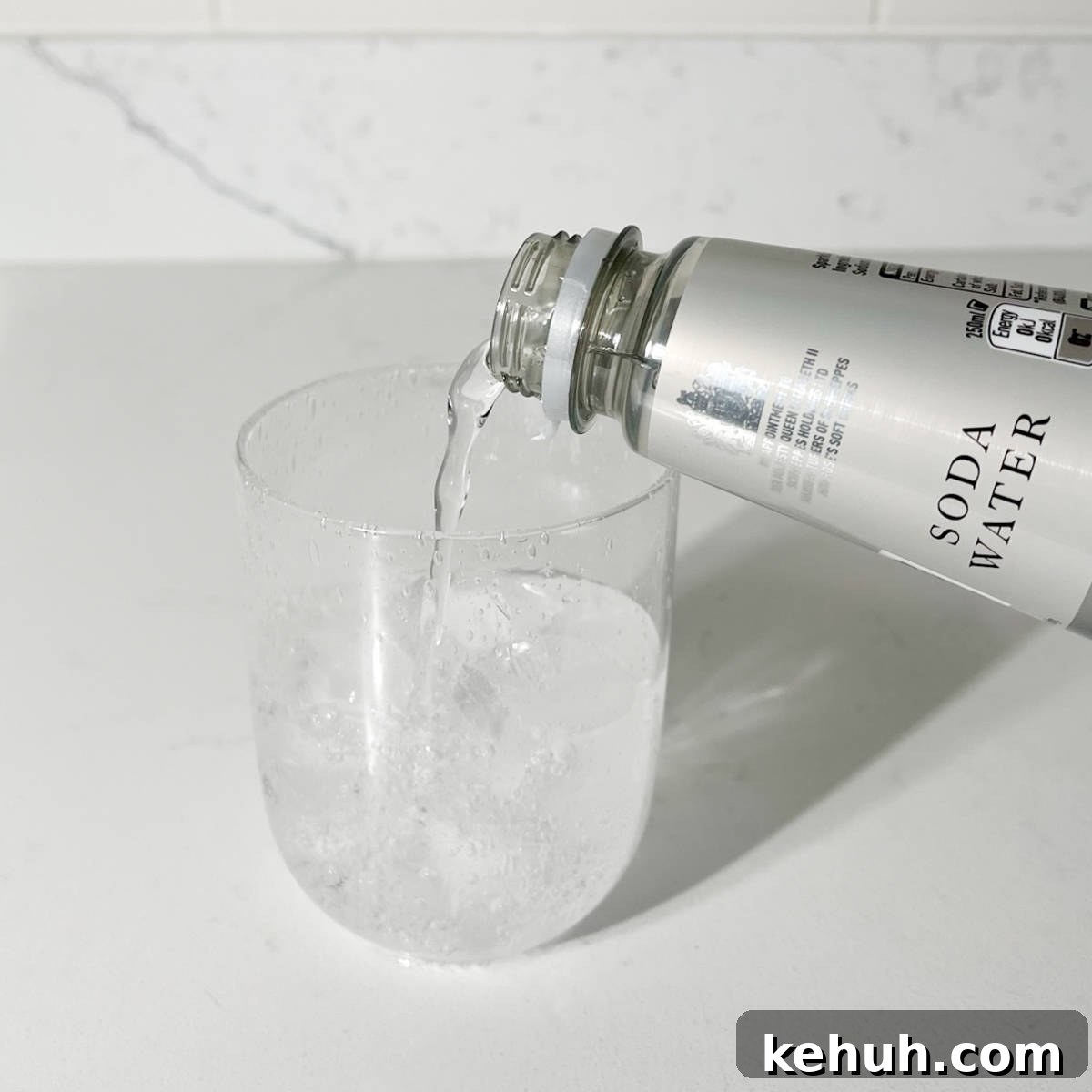
2. Pour in equal parts soda water and fizzy lemonade.
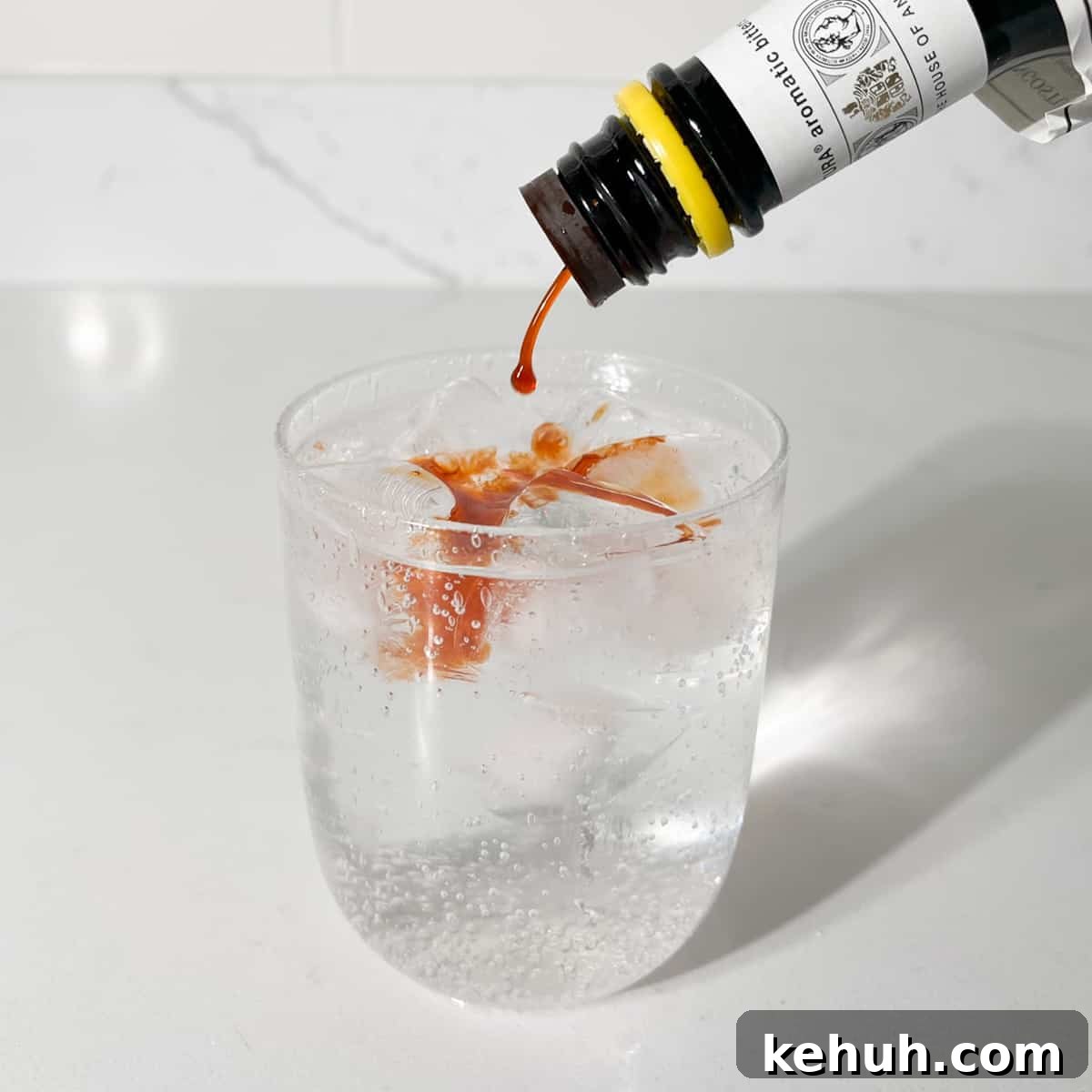
3. Add 5–10 dashes of Angostura bitters, or adjust to your preference.
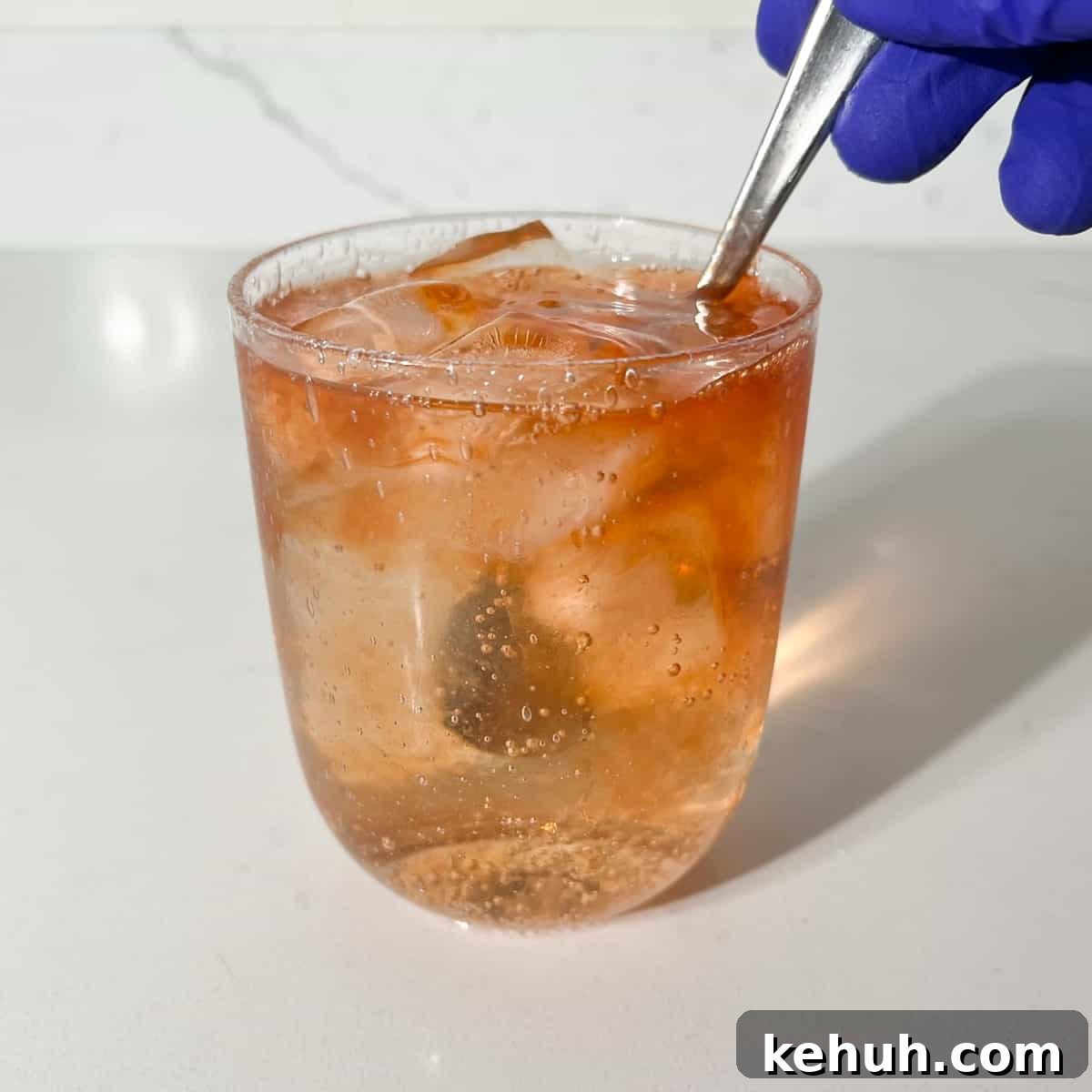
4. Stir gently to combine. To keep a layered ombré appearance, stir less after adding the bitters; for an even flavour, stir until blended.
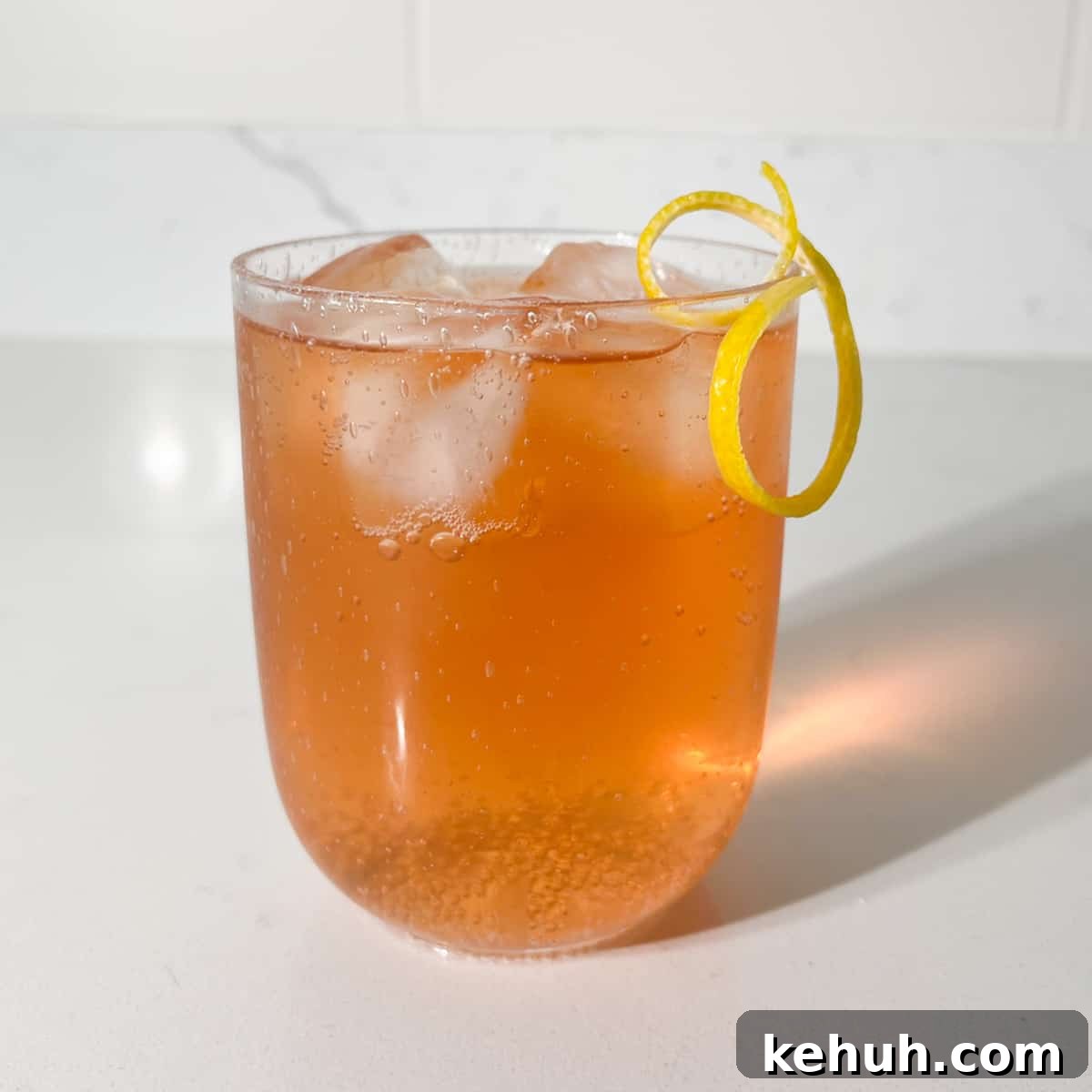
5. Garnish with a lemon slice, wedge or peel twist and serve immediately while fizzy.
How to make a lemon twist
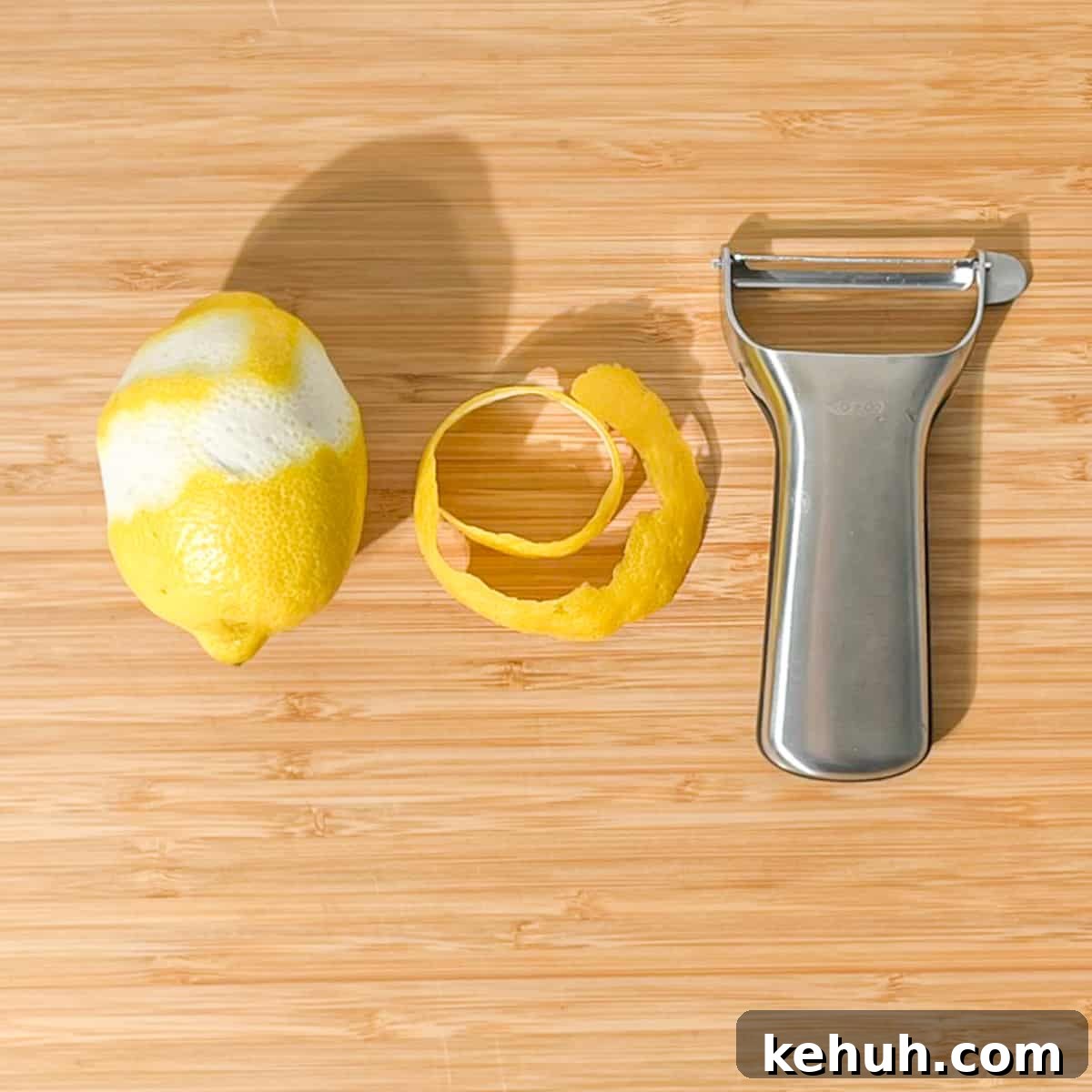
1. Use a vegetable peeler to remove a long strip of lemon peel, avoiding the white pith as much as possible.
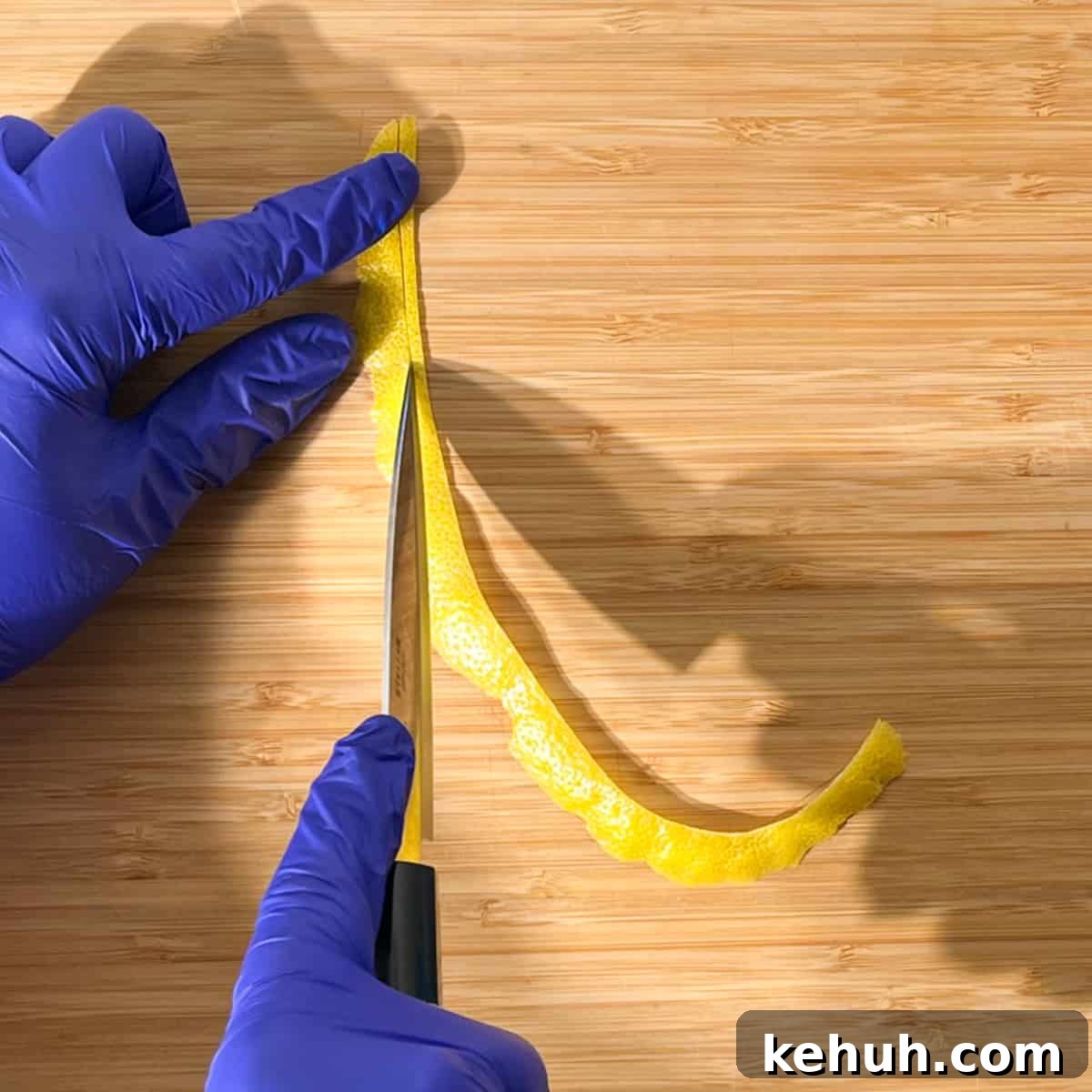
2. Trim the strip into a thin ribbon if needed.
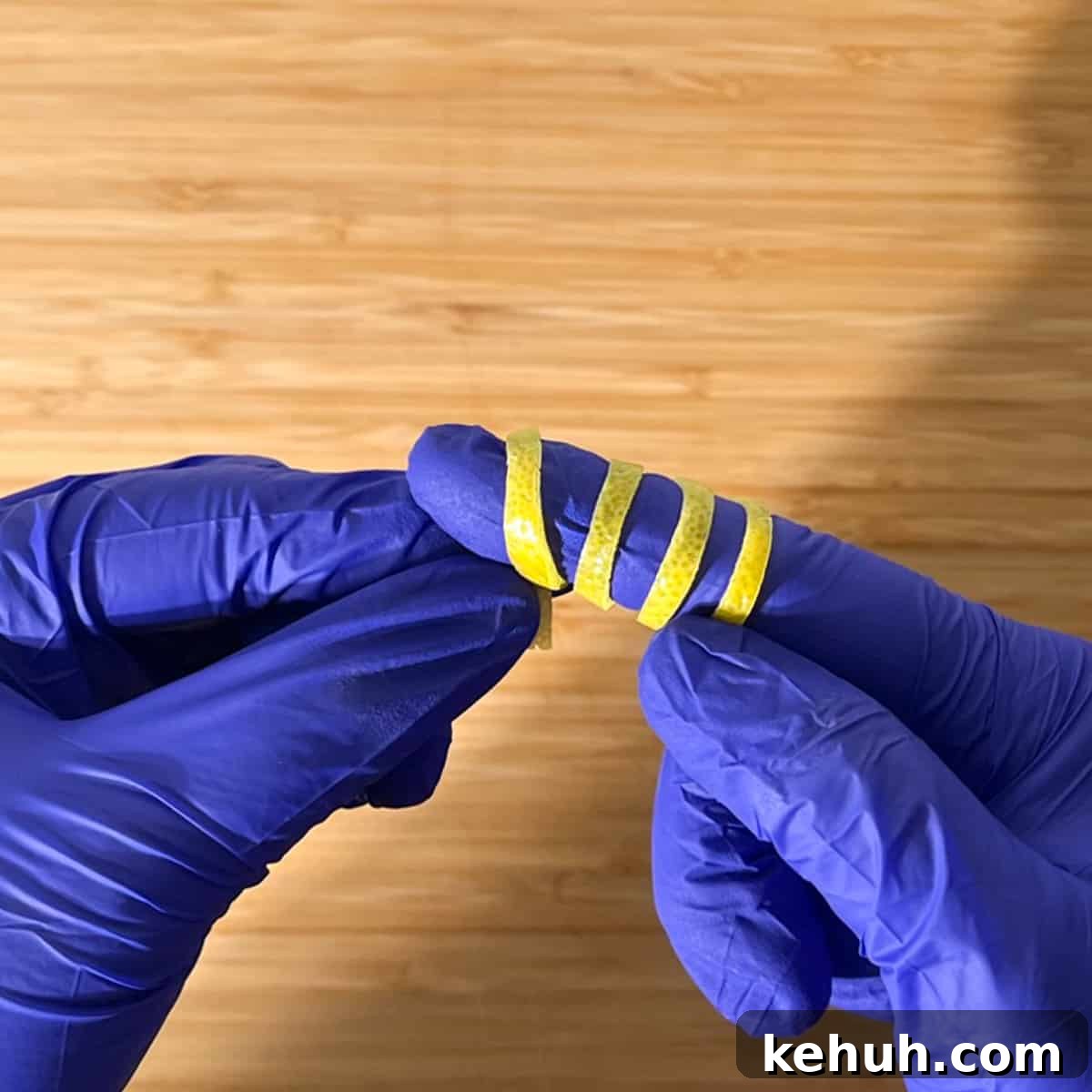
3. Wrap the peel around your finger, a straw or a spoon handle to shape it.
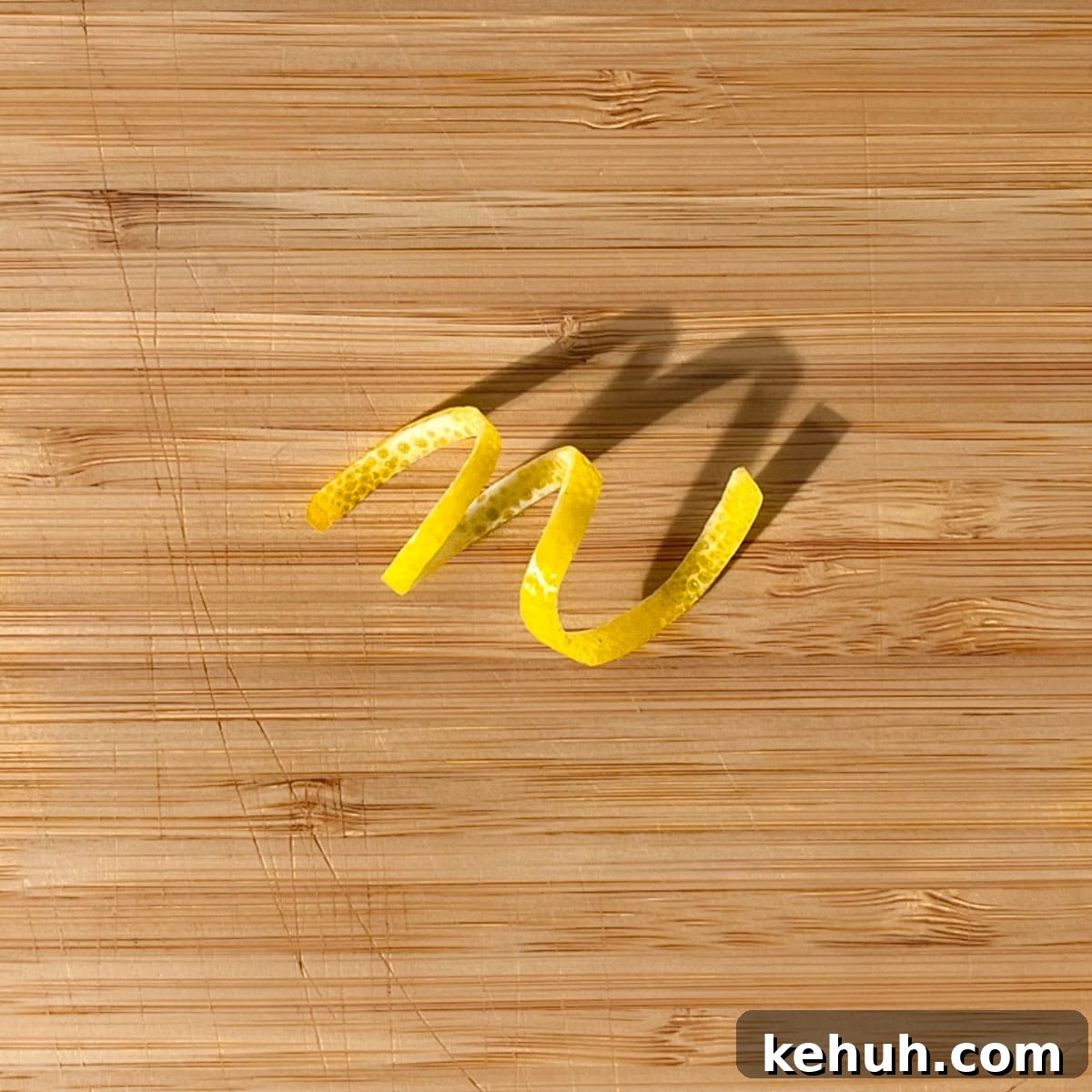
4. Hook the twist over the rim of the glass as a simple garnish.
Is Rock Shandy non-alcoholic?
Most people consider Rock Shandy non-alcoholic because it uses only a few dashes of bitters. Traditional Angostura bitters do contain alcohol, but the tiny amount used per glass leaves only trace alcohol. Use alcohol-free bitters if a truly alcohol-free drink is required.
Variations
- Sugar-free Rock Shandy — swap to sugar-free fizzy lemonade.
- Ginger Rock Shandy — replace some or all of the soda water with ginger ale or ginger beer for spice and warmth.
- Less sweet — increase the soda water proportion to reduce sweetness.
- More bitter — add extra dashes of bitters.
- Alcohol-free — use alcohol-free bitters.
- Cocktail version — add a shot of vodka, gin or white rum. Vodka preserves the original flavour, gin adds botanical notes.
How to make a jug of Rock Shandy
Scale using equal parts lemonade and soda water, then adjust the bitters to taste.
For a 1-litre jug, use:
- 500ml lemonade
- 500ml soda water
- 20–30 dashes Angostura bitters, or to taste
- plenty of ice
- lemon slices for garnish
Stir gently and serve immediately to retain fizziness.
Troubleshooting Rock Shandy
Too sweet
Add more soda water or extra ice to dilute the sweetness.
Too bitter
Add more lemonade or reduce the number of bitters next time.
Drink went flat
Make the drink just before serving and use chilled fizzy lemonade and soda water.
Bitters sank to the bottom
Stir gently to combine. Stir less if you prefer a layered ombré look; stir more for an even flavour.
Not tasting like the South African version
Ensure you’re using clear fizzy lemonade, plain soda water and aromatic bitters rather than still lemonade.
More South African recipes to serve with Rock Shandy
Rock Shandy pairs well with hearty South African dishes and braai sides. Try it alongside classic mains and salads or any grilled fare for a refreshing contrast.
More refreshing drinks
Use the same approach — simple, fizzy and lightly flavoured — to create other easy, cooling beverages for warm weather.
Recipe
Rock Shandy Recipe
Ingredients
- Ice – Enough to fill the glass ½ – ¼ of the way
- 125 millilitre (½ cup) fizzy lemonade
- 125 millilitre (½ cup) soda water
- 5-10 dashes Angostura bitters – or other bitters of your choice
- 1 slice lemon
Instructions
-
Fill a tall glass with ice.
-
Pour in equal parts soda water and fizzy lemonade.
-
Add 5–10 dashes of Angostura bitters, or adjust to taste.
-
Stir gently to combine. Stir less for an ombré effect, stir more for an even flavour.
-
Garnish with a lemon slice, wedge or peel twist and serve immediately.
Notes
- Use equal parts lemonade and soda water, then adjust the bitters to suit your taste.
- For a fully alcohol-free Rock Shandy, use alcohol-free bitters. Traditional Angostura bitters contain alcohol, but only trace amounts remain when using a few dashes.
- Make the drink just before serving so it stays fizzy.
A note on nutrition:
Nutrition varies with the lemonade used. Choosing a sugar-free lemonade will significantly reduce calories and sugar.
Nutritional data disclaimer
The nutritional information provided is an estimate calculated by a third party and may vary based on brands and exact ingredients used. For personalised dietary advice, consult a qualified healthcare professional or registered dietitian.
Nutrition
For food safety advice, consult your local food safety authority.