Gas leaks pose a serious risk to homes and businesses. From a faint rotten-egg odor to subtle signs like unexplained increases in your gas bill, recognizing the indicators of a natural gas leak is essential to protect people and property. This guide explains what to look for and the immediate steps to take if you suspect a leak, helping you act quickly and safely.
Identifying the Indications of a Natural Gas Leak
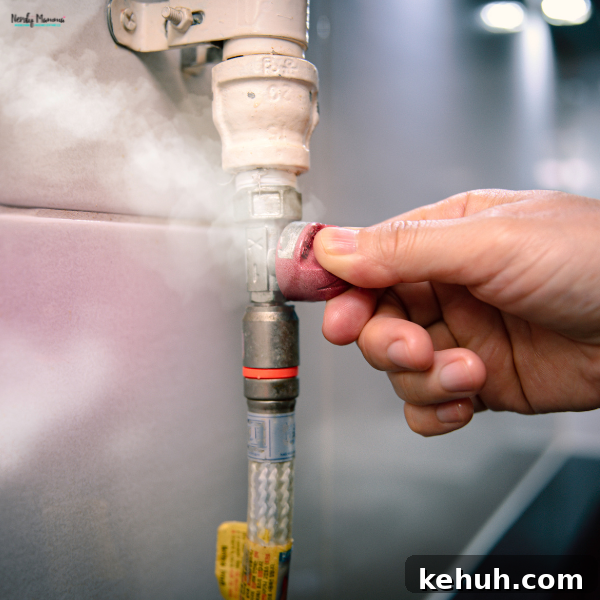
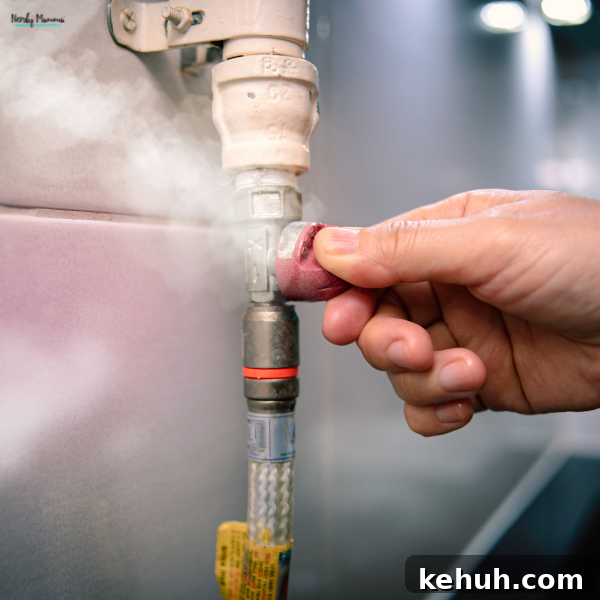
Natural gas is commonly used for heating, cooking, and other household needs, but leaks can create dangerous conditions. The most recognizable sign is the smell of rotten eggs—utility companies add a chemical called mercaptan to make leaks easier to detect. Other signs include a hissing or whistling sound near gas lines, which can indicate gas escaping, and patches of dead or discolored plants near a pipeline, which may signal gas displacing oxygen in the soil.
Regular inspections and timely gas line repairs by qualified technicians are vital to discover and fix potential problems before they escalate. Homeowners can also consider using certified gas detection equipment for ongoing monitoring in areas where leaks may occur; reliable detectors provide early alerts and an extra layer of protection for occupants and property.
Immediate Actions to Take
Do not use electrical devices
If you suspect a gas leak, avoid using electrical switches, appliances, phones, or any device that might spark. Even a small spark can ignite leaked gas. Instead, open windows and doors if it is safe to do so to help ventilate the area without operating electrical items.
Evacuate the area
Leave the building immediately and make sure everyone else, including pets, evacuates too. Move calmly and quickly to a safe location away from the structure. Do not try to find the leak yourself; the priority is to get people to safety and prevent ignition.
Swift, orderly action reduces the risk of explosion and helps emergency responders handle the situation more effectively. Have a prearranged meeting point so family members or coworkers can be accounted for after evacuating.
Contact Authorities
Once you are at a safe distance, call emergency services and your gas provider to report the suspected leak. Use a mobile phone or a neighbor’s phone rather than re-entering the building. Give clear details—such as any unusual smells, sounds, or visible signs—to help responders assess the situation quickly.
Do Not Attempt to Fix the Leak Yourself
Repairs should always be performed by trained, licensed professionals. Attempting to repair a gas line or appliance on your own can lead to fires, explosions, or serious injury. Qualified technicians have the proper tools, protective equipment, and experience to locate and repair leaks safely, and to certify that it is safe to return.
Safety Precautions to Prevent Future Gas Leaks
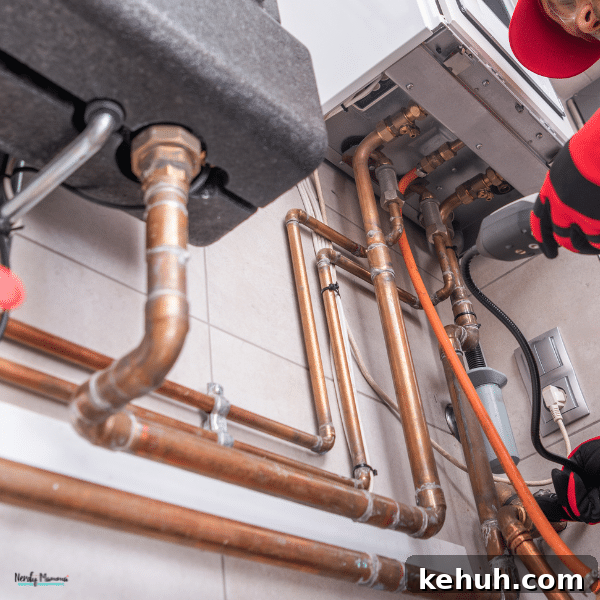
Preventive measures significantly reduce the chance of gas leaks. Consider the following practical steps to keep your home or business safer:
- Schedule regular maintenance for gas appliances with certified technicians. Annual inspections can reveal wear, loose fittings, or faulty installations before they become hazards.
- Install and maintain carbon monoxide and natural gas detectors in key areas of the building. These alarms provide early warning so you can evacuate and call for help promptly.
- Always hire licensed professionals for gas line installation or repairs. Properly performed work follows safety codes and usually includes guarantees for workmanship.
Community Safety Measures
Community action can amplify individual safety efforts. Encouraging neighbors to install detectors and sharing knowledge about gas safety increases overall preparedness. Community initiatives might include organizing safety workshops, running neighborhood drills, and maintaining an emergency contact list so information can be shared quickly if a leak is suspected.
- Coordinate neighborhood drills to practice evacuation routes and communication during emergencies.
- Create and distribute an emergency contact list so residents know who to call if they detect a leak.
- Provide clear, age-appropriate information about what to do if a gas leak is suspected, helping families and children understand basic safety steps.
Prioritize safety by staying vigilant for the signs of a gas leak and responding immediately if you suspect one. Rely on professionals for inspections and repairs, equip your space with reliable detectors, and work with your community to promote best practices. These combined efforts help protect lives and property from the dangers of natural gas leaks.
Table of Contents
Toggle