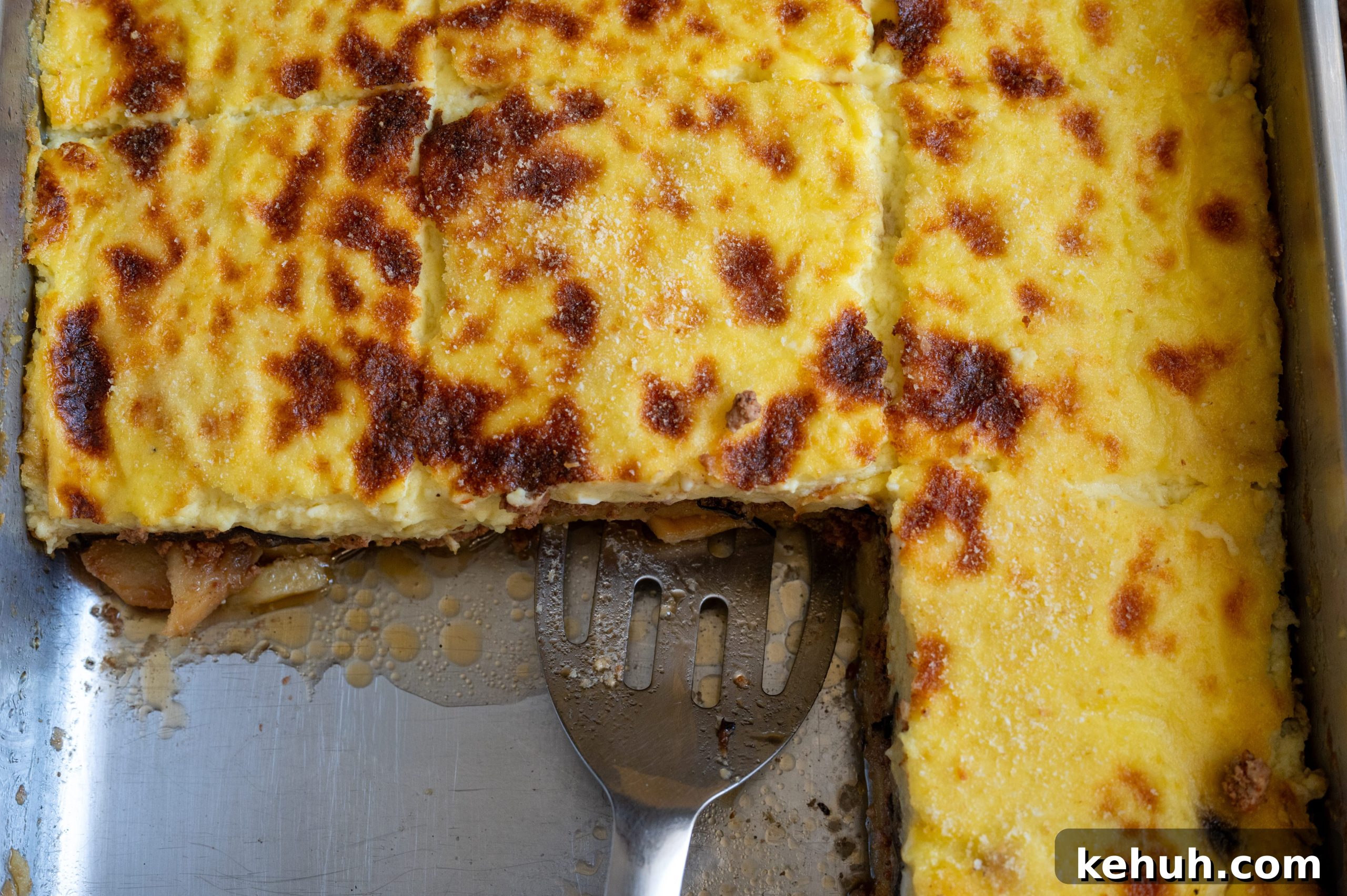
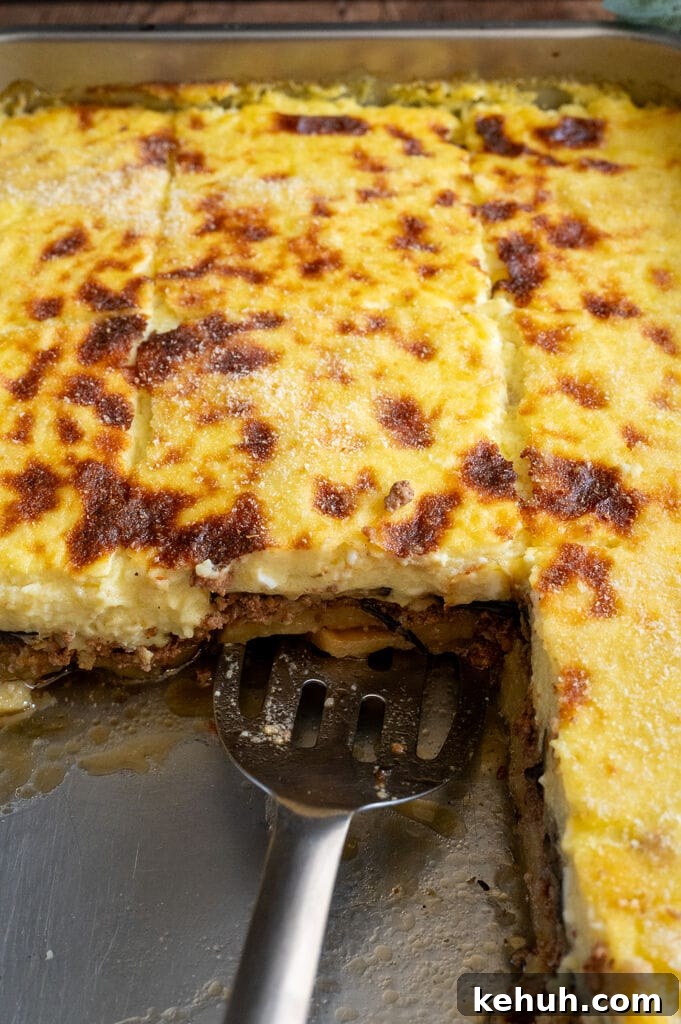
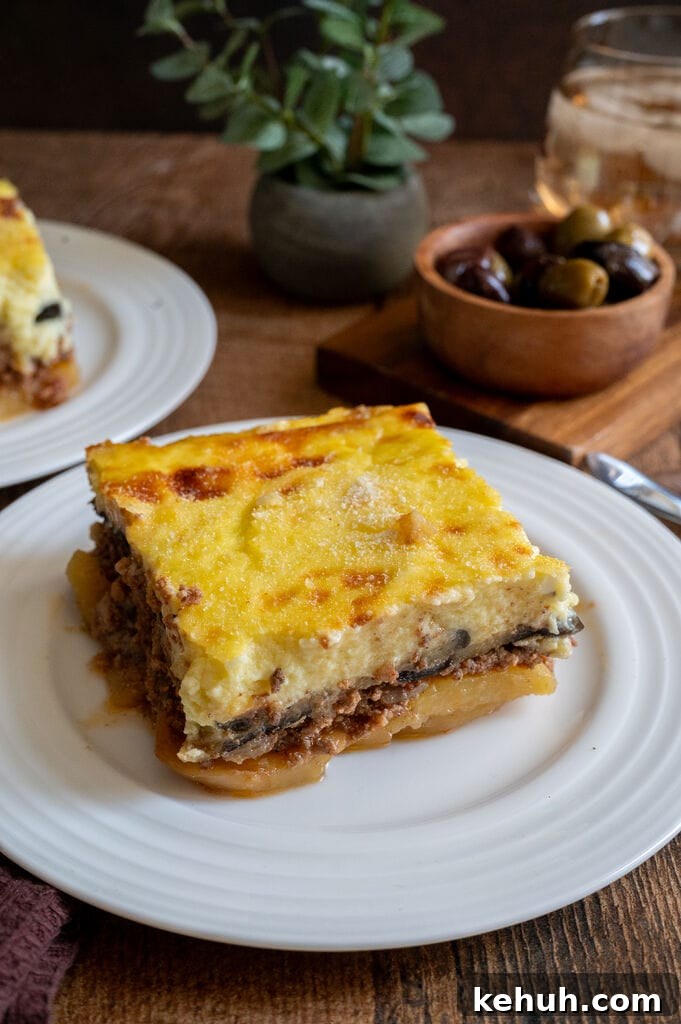
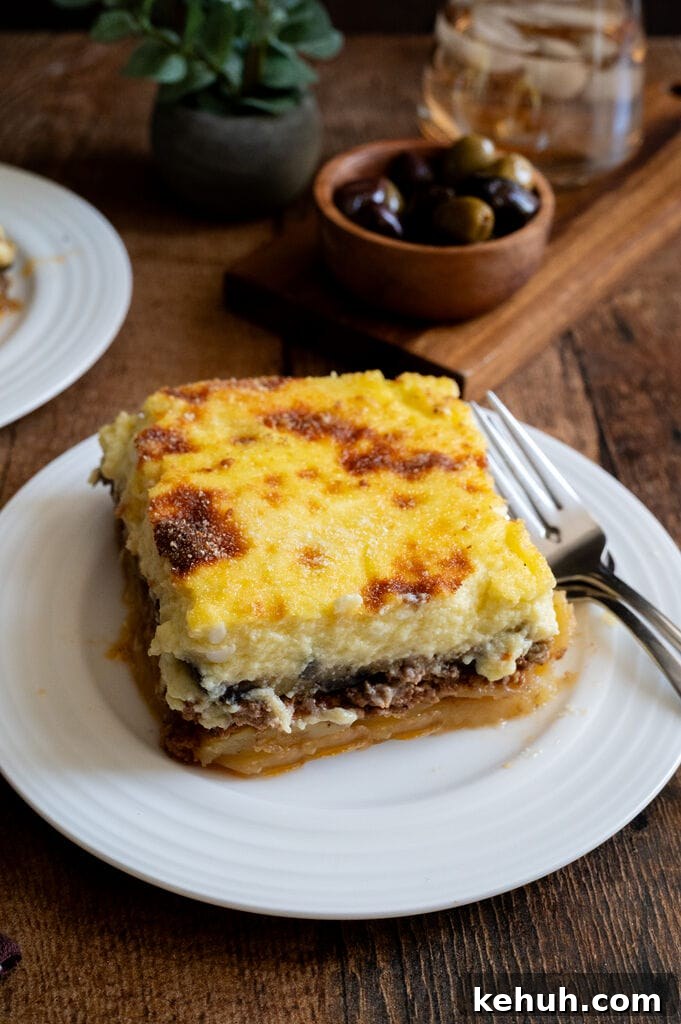
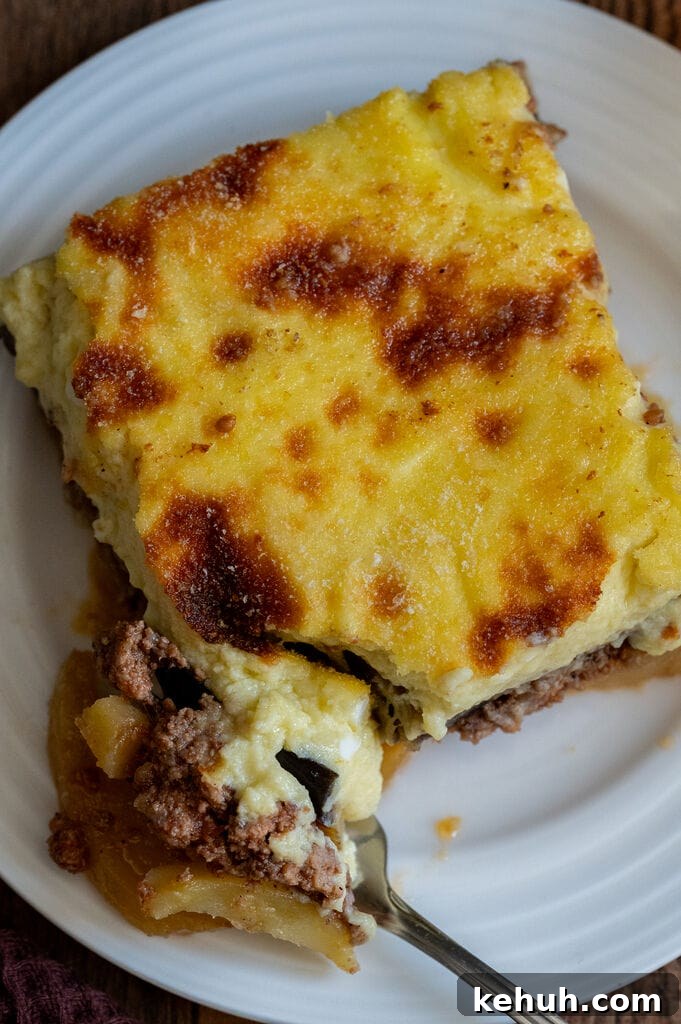
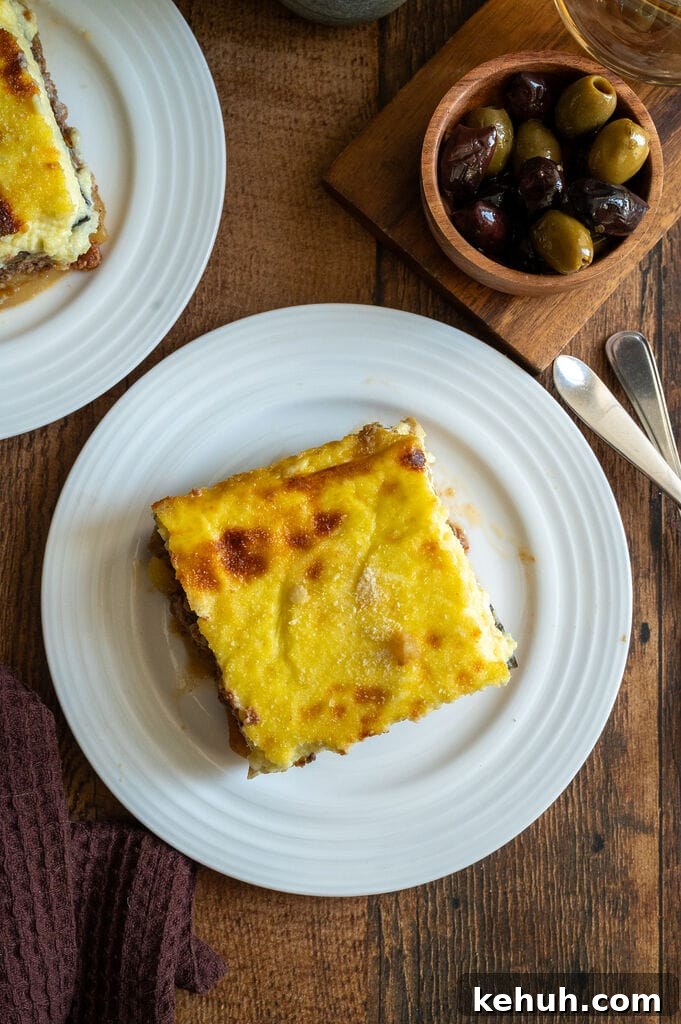
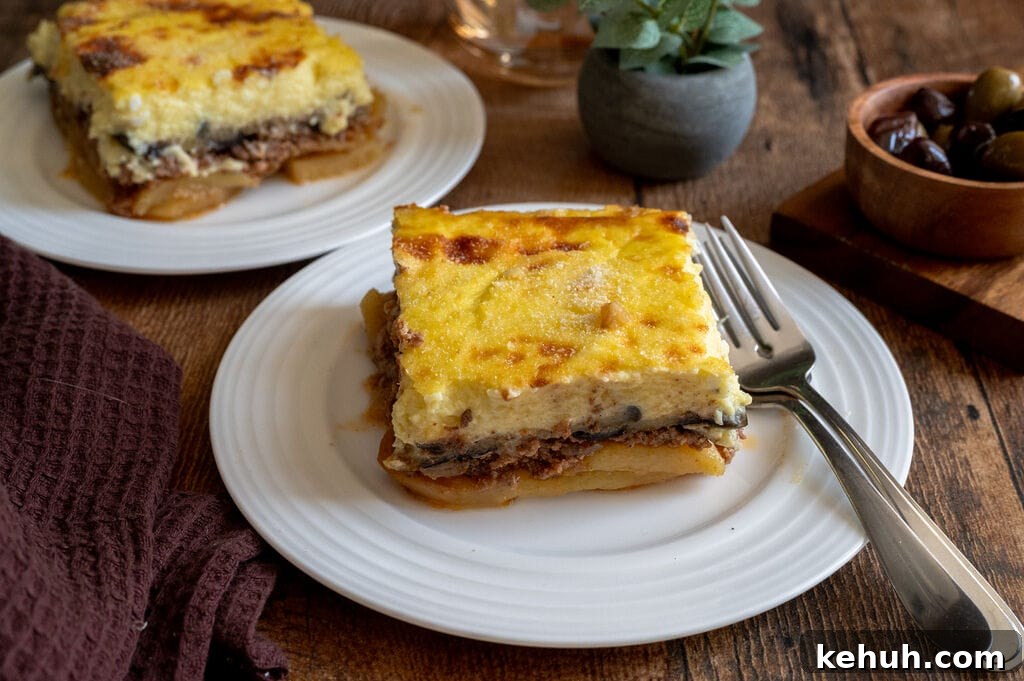
Moussaka is a classic Greek casserole of layered eggplant, potatoes and a richly seasoned meat sauce, finished with a creamy béchamel. Served across Greece, this comforting dish is something you can make at home with a bit of planning and time.
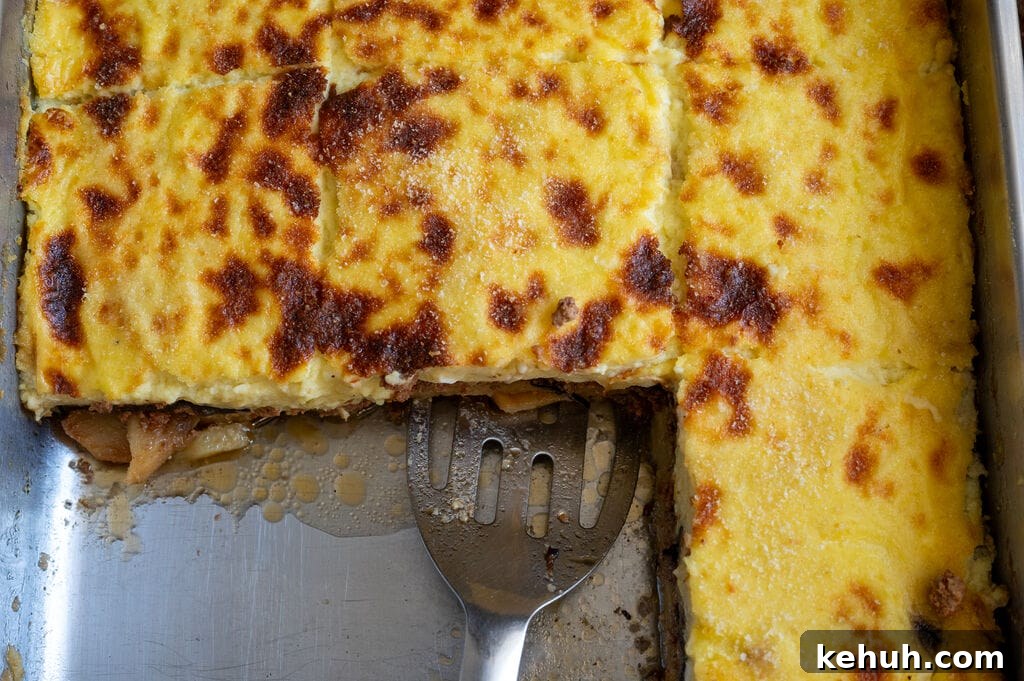
In my Greek household, moussaka was a regular family favorite — made often and always welcome. There’s a nostalgic warmth to a dish when someone has taken care to layer each component just right. The recipe below reflects my parents’ version, which leans on olive oil rather than butter, uses lactose-free milk at times, and sometimes broils the eggplant instead of frying it. These small choices make the finished moussaka lighter while keeping the traditional flavors vibrant.
Why I love this recipe
This is the recipe we chose to launch our site with because it is both iconic and celebratory. Moussaka can seem intimidating because of its steps, but the result is worth it: a layered, fragrant, homey dish that feeds a crowd and brings people together.
My parents taught me to favor olive oil in most preparations — even in the béchamel — and to be generous with flavor: a touch of cinnamon in the meat sauce, a dusting of nutmeg in the layers, and salty, aged mizithra on top. If you want a lighter version, broiling or baking the eggplant instead of frying will reduce the oil while still delivering great texture.
Key ingredients
Eggplant – Essential to moussaka. Regular purple globe eggplants, small to medium size, work best.
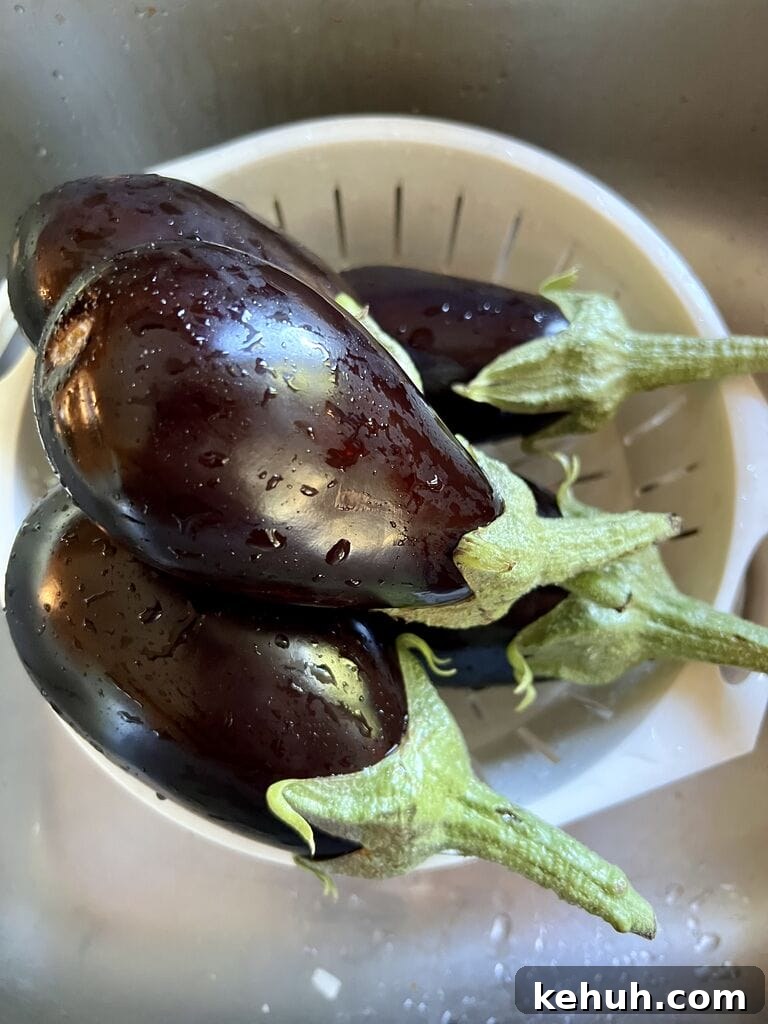
Potato – Any starchy potato will do, though Yukon Gold or yellow-fleshed potatoes are ideal for their creamy texture.
For the meat sauce
Ground meat – A mix of veal and lamb gives great depth, but you can use beef, pork or combinations you prefer.
Onion – Yellow onion, finely diced and caramelized for sweetness.
Olive oil – Used to sauté the onion and develop flavor.
Tomato sauce – Homemade tomato sauce is ideal; a good-quality passata works well too.
Cinnamon – A small amount enhances the savory meat sauce in classic Greek fashion.
Salt & pepper – To taste.
For the béchamel sauce
Olive oil – Used instead of butter for a lighter, flavorful roux.
Milk – Dairy or lactose-free milk works; choose the fat content you prefer.
Flour – All-purpose flour to thicken the sauce.
Eggs – Beaten and added to enrich the béchamel.
Nutmeg – A pinch for subtle warmth.
Breadcrumbs – A light sprinkle on top adds texture after baking.
Mizithra cheese – A salty Greek cheese for grating; substitute Parmesan or Romano if needed.
Feta (optional) – Crumbled over the eggplant layer if you like an extra tang.
How to make it
Although moussaka involves several components, each step is straightforward. You can prepare many parts in advance to make assembly and baking quicker.
Instructions – Meat layer
Step 1
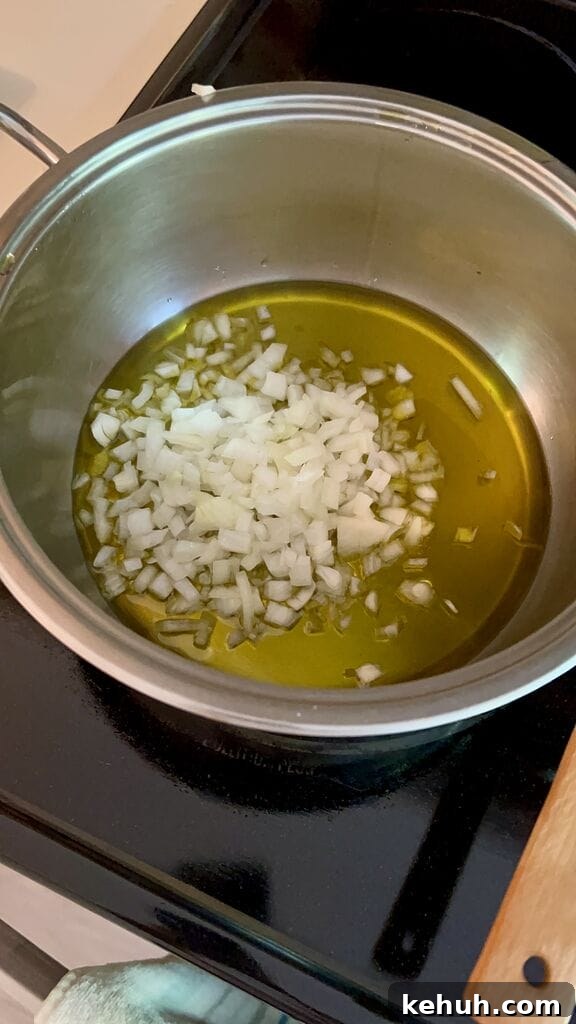
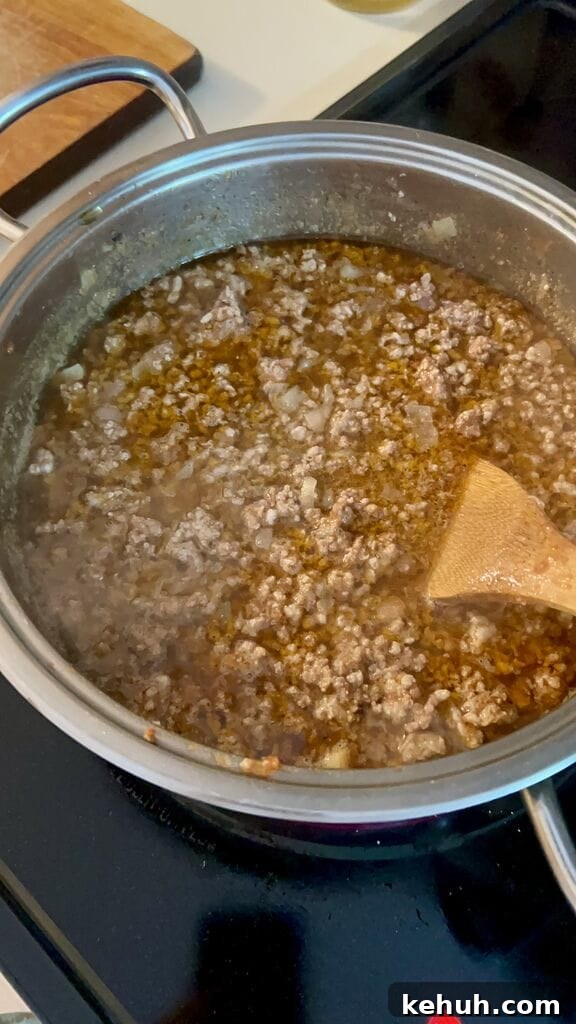
Heat 3/4 cup olive oil in a medium saucepan. Sauté the finely diced onion until soft and lightly caramelized. Add the ground meat and break it up so it cooks evenly.
Step 2
Add 2 cups tomato sauce, 1/2 cup water, 1 1/2 tsp salt, 1/2 tsp cinnamon and 1/2 tsp pepper. Cover and simmer over medium heat for about one hour, stirring occasionally.
Step 3
If the mixture looks dry, add more tomato sauce or a splash of water. Taste and adjust seasoning, then set aside.
Instructions – Potatoes
Step 1
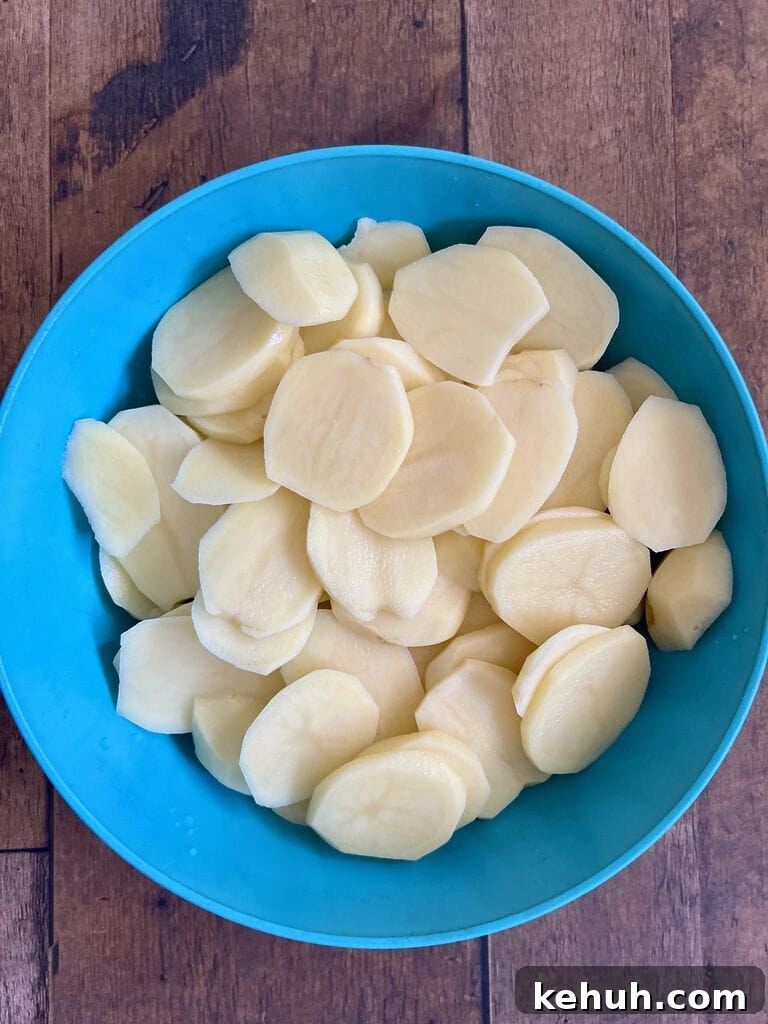
Peel and slice potatoes into 1/4-inch rounds. A mandolin makes this quick and uniform.
Step 2
Soak the slices in cold water for about 10 minutes, then drain and sprinkle with salt.
Step 3
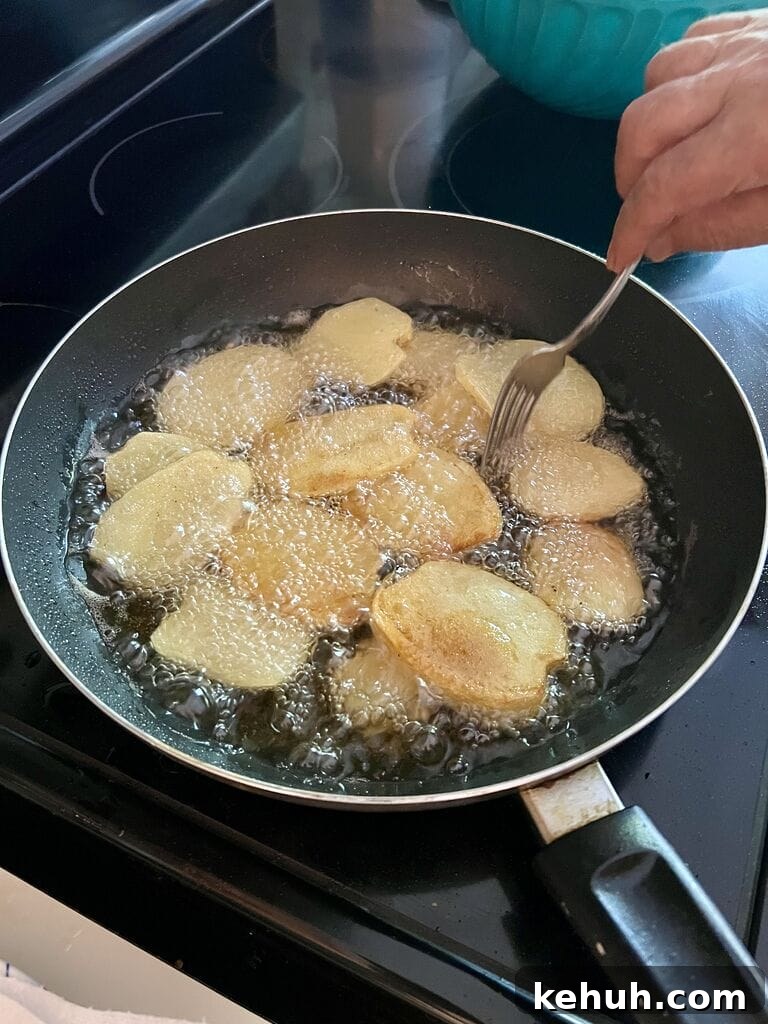
Pour about 1 inch of vegetable oil into a frying pan and heat. Fry potato rounds in batches until golden on both sides. Drain on paper towels.
Instructions – Eggplant
Step 1
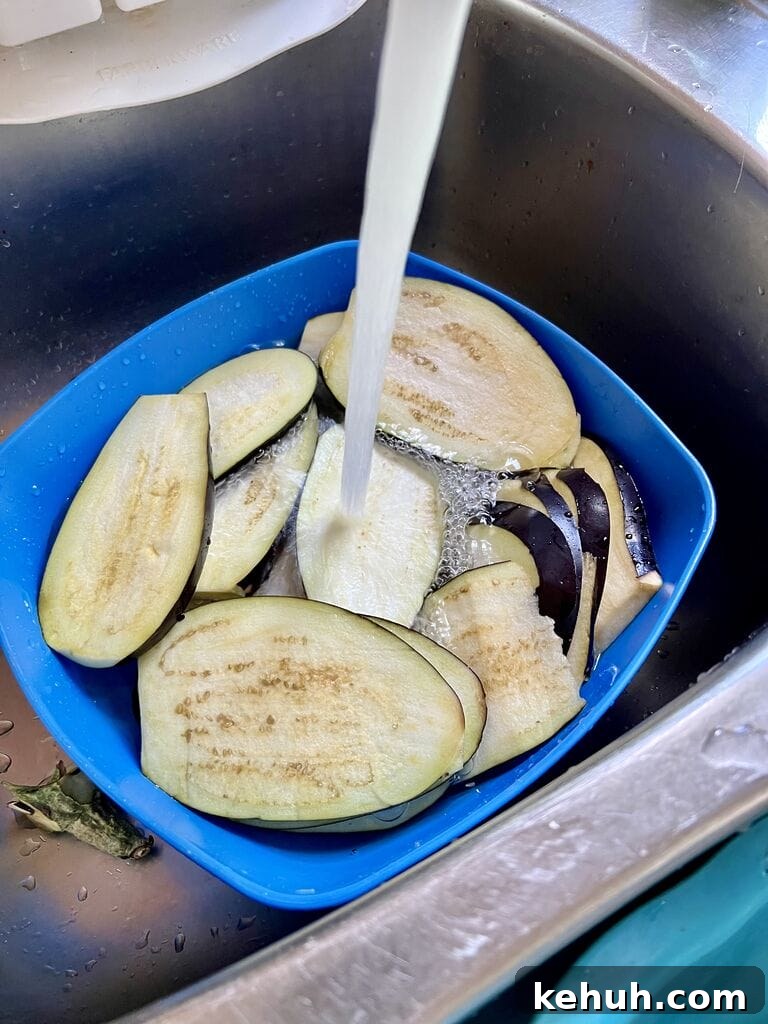
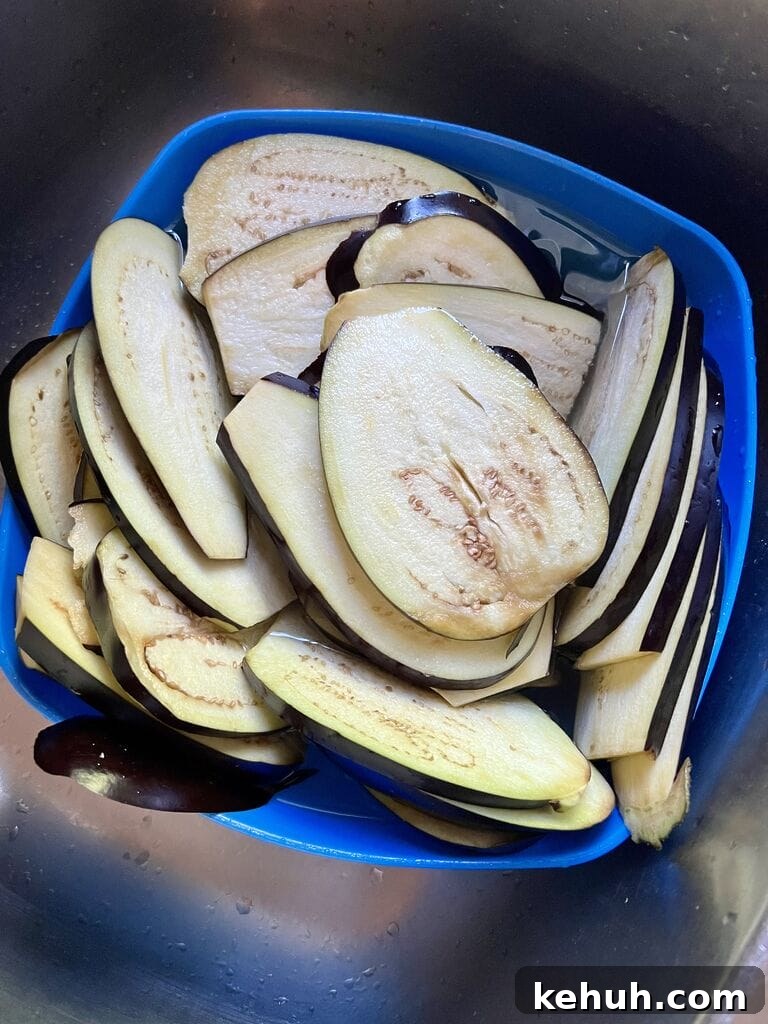
Slice eggplants lengthwise and soak in cold water for about 10 minutes.
Step 2
Drain and evenly salt the slices (about 1 tsp salt total). At this point you can broil, bake or fry them.
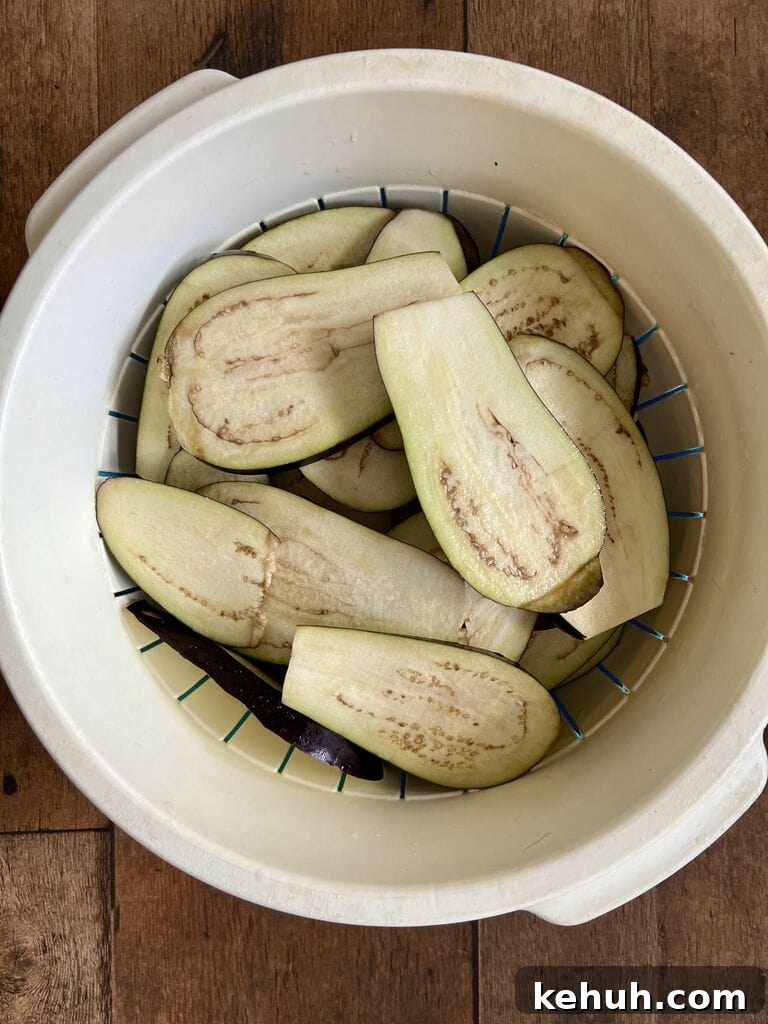
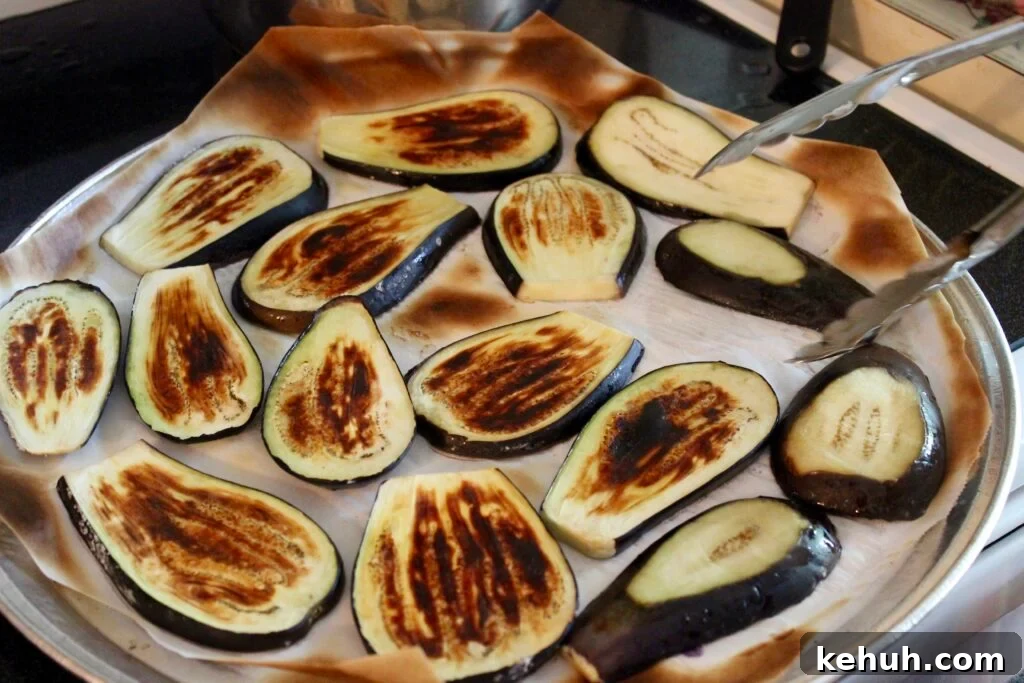
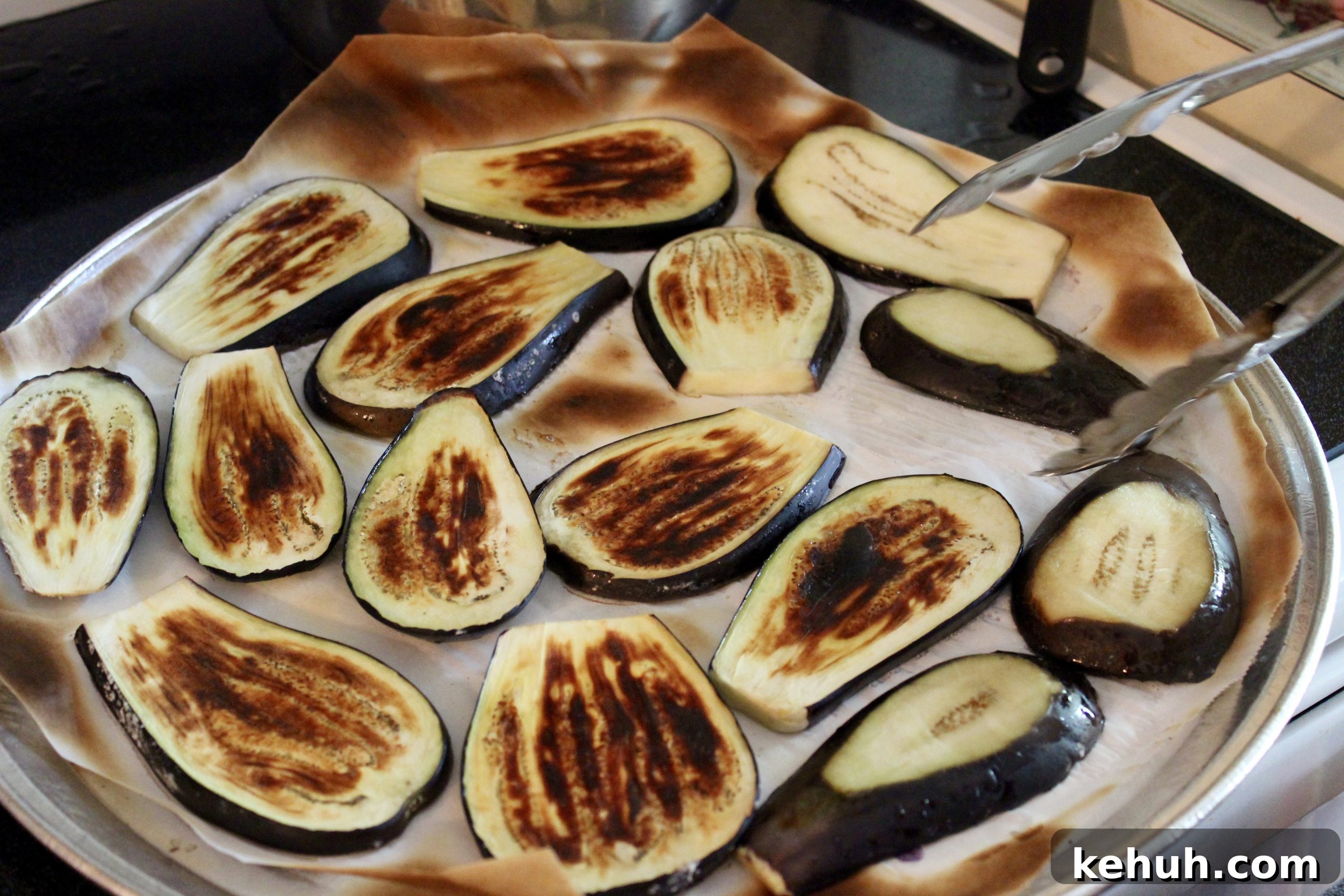
Broiling: Line baking trays with parchment and arrange slices without overlapping. Brush with olive oil and broil 5–10 minutes per side, in batches, until tender and lightly charred. Watch closely to avoid burning.
OR
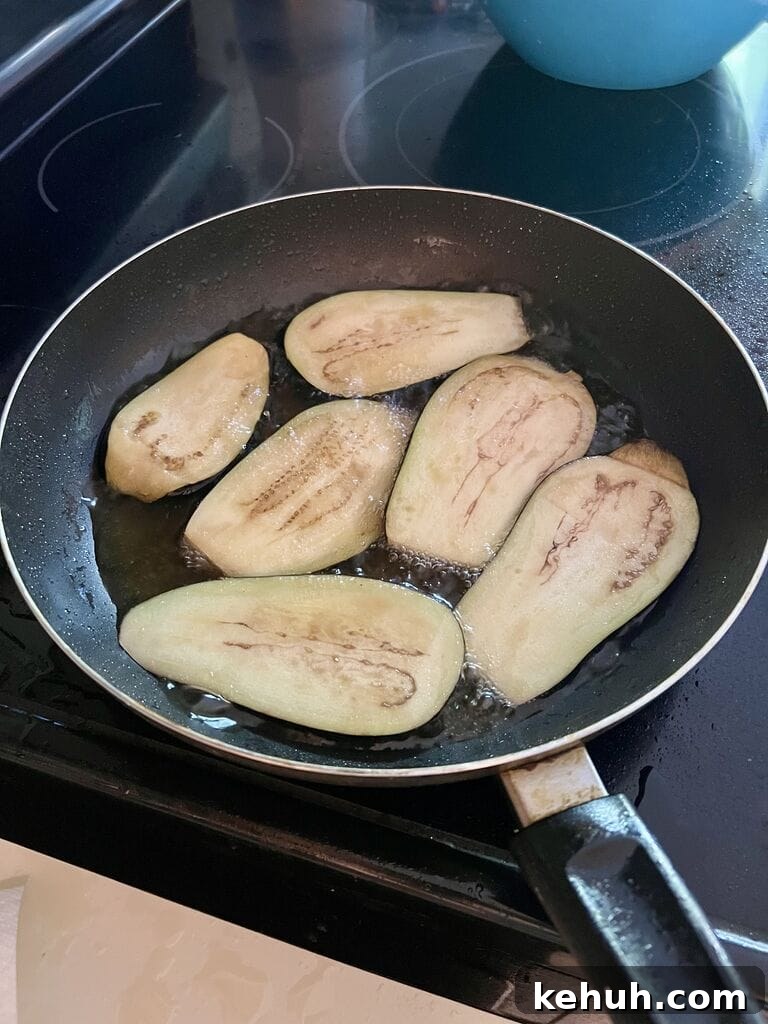
Frying: Heat oil (you can reuse the oil from frying potatoes), and fry eggplant slices in batches until golden on both sides. Drain on paper towels.
Instructions – Béchamel sauce
Step 1
Heat 1/2 cup olive oil in a heavy saucepan over medium heat.
Step 2
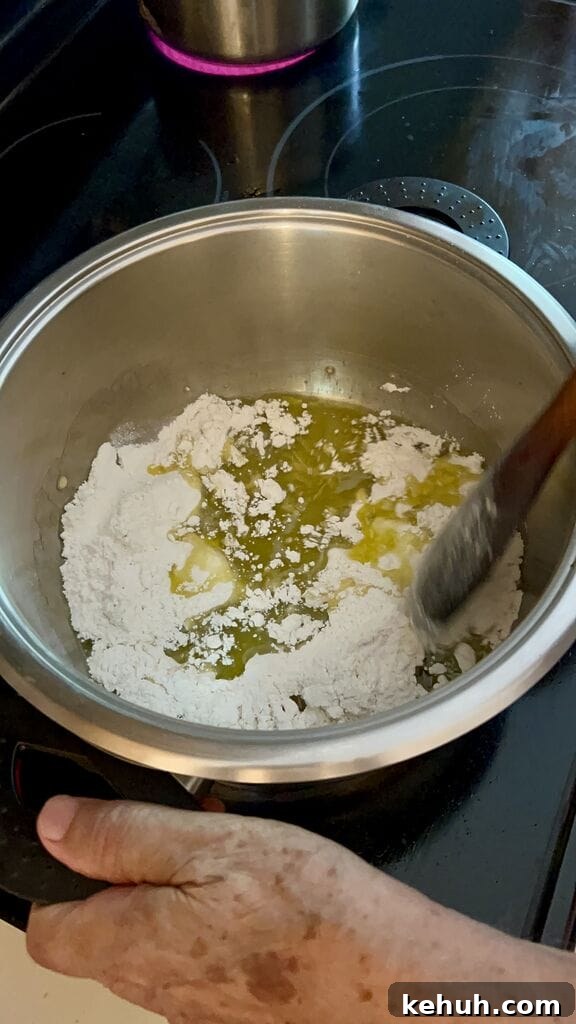
Whisk in 1 cup flour and cook, stirring constantly, for 2–3 minutes without browning the flour.
Step 3
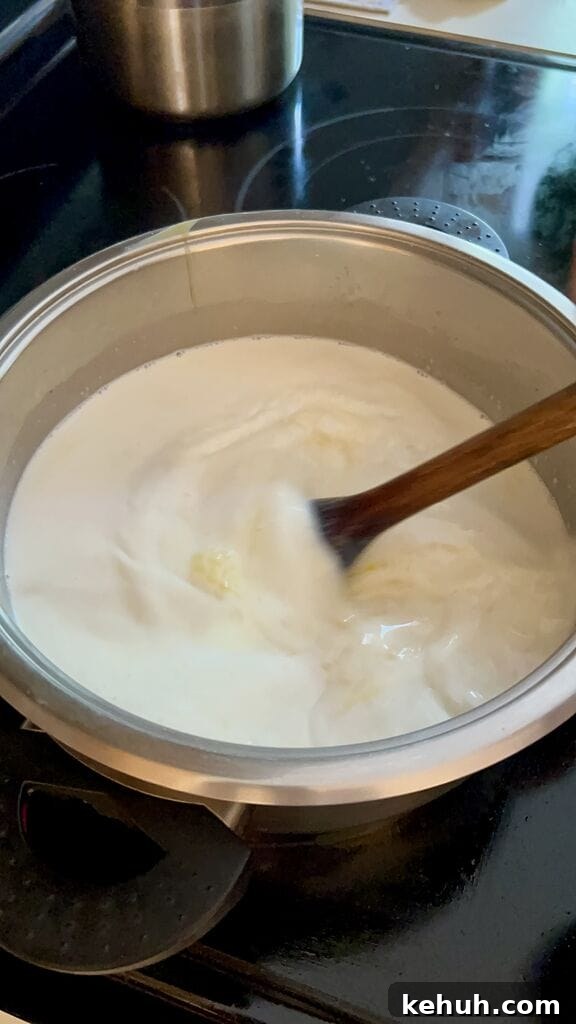
Slowly add the milk, stirring, then stream in the beaten eggs while whisking continuously. Season with 1 tsp salt and a pinch of nutmeg.
Step 4
Cook for about 10 minutes until thickened but pourable — it should coat a wooden spoon and allow you to draw a line through it with your finger.
Instructions – Assembly
Step 1
Preheat oven to 350°F (175°C).
Step 2
Pour any juices from the meat into the bottom of an 11 x 14-inch pan; if there are none, brush the pan lightly with olive oil.
Step 3
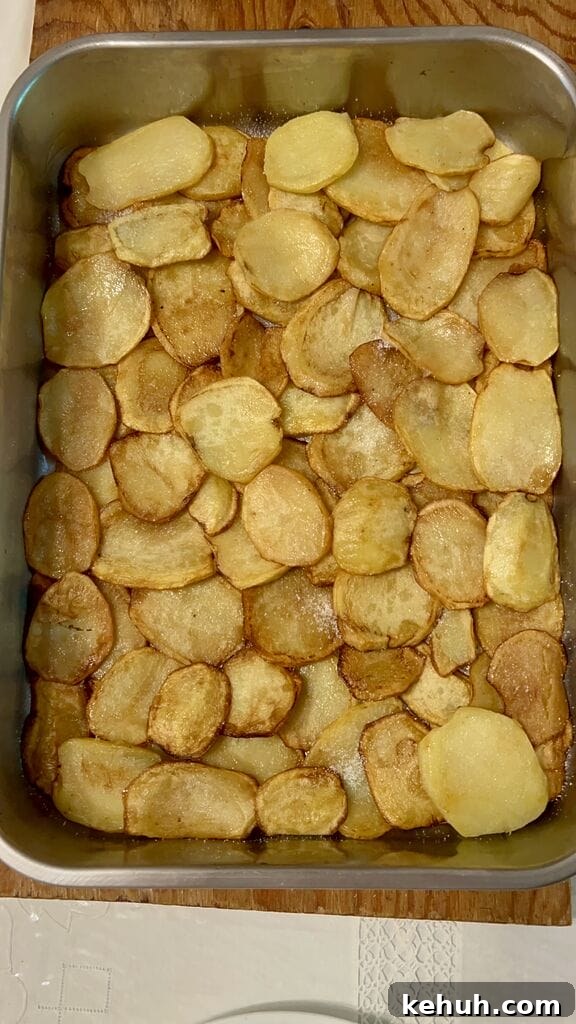
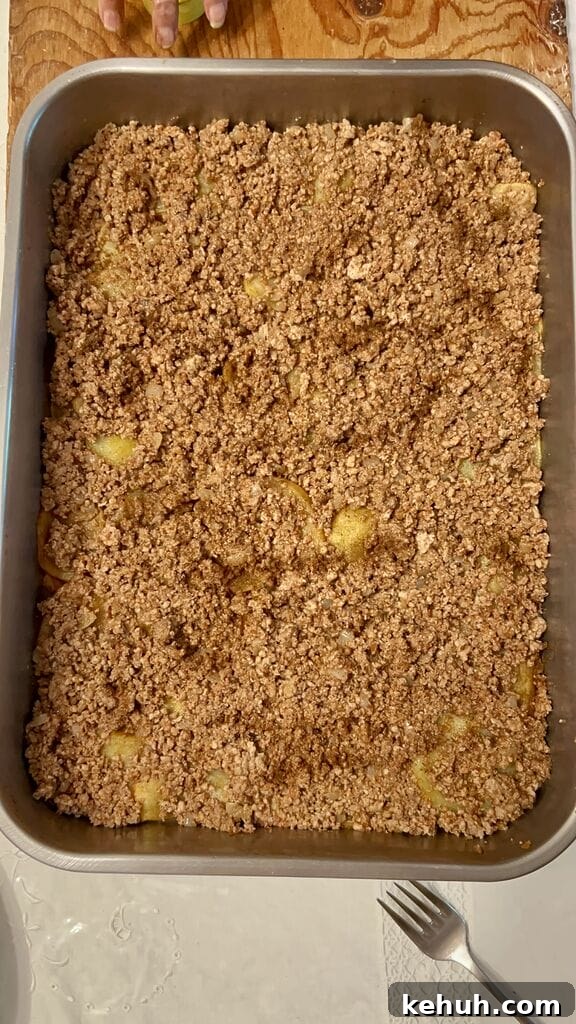
Layer fried potato slices across the bottom (overlap as needed). Spoon the meat mixture over the potatoes, draining excess liquid on a slotted spoon. Lightly dust the meat with nutmeg.
Step 4
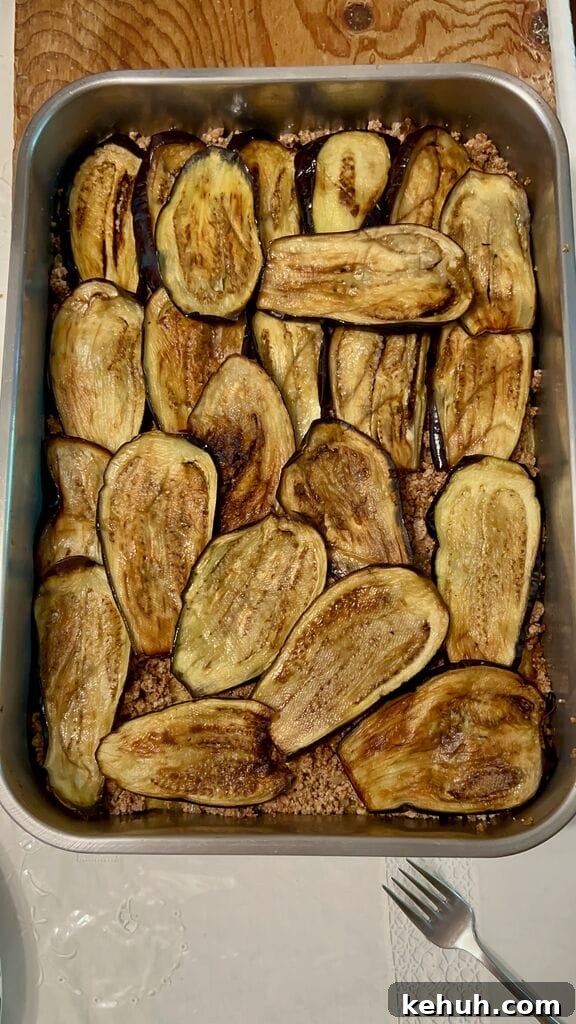
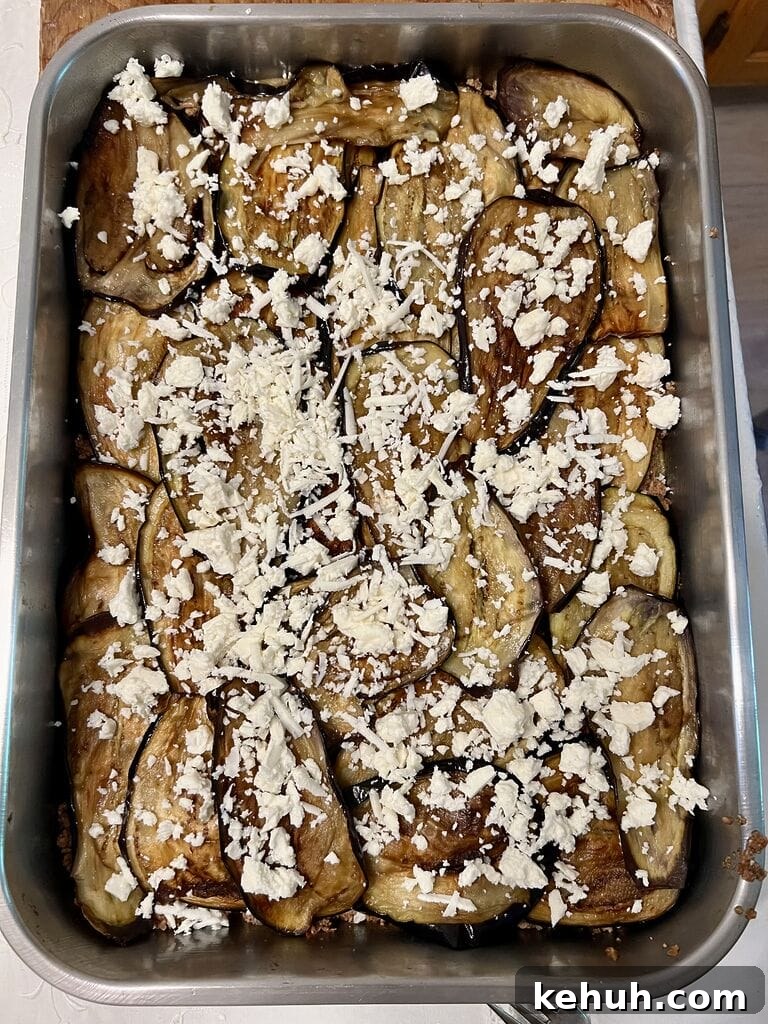
Arrange the eggplant slices on top of the meat and scatter crumbled feta if using.
Step 5
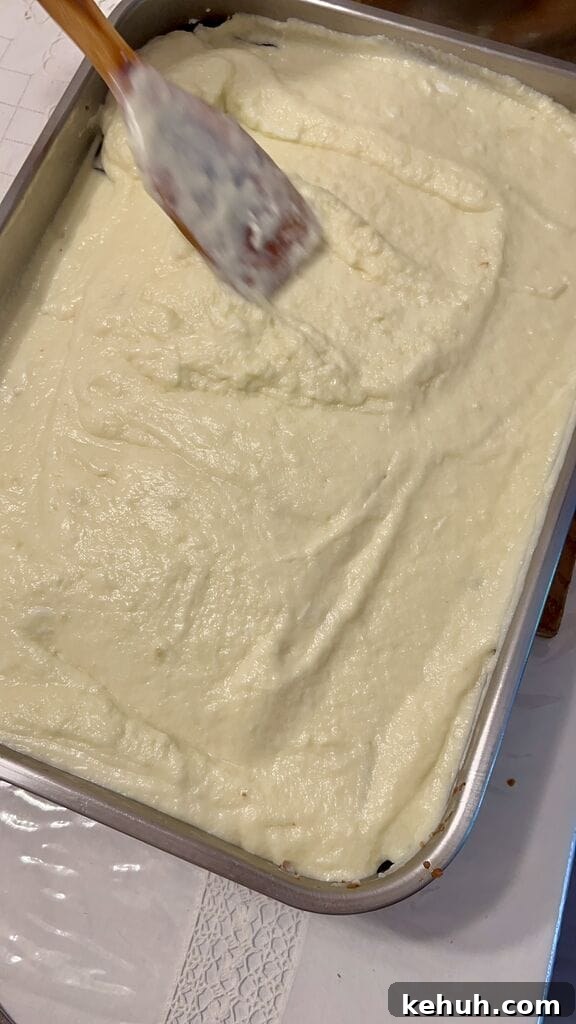
Pour the béchamel sauce evenly over the eggplant, covering it completely.
Step 6
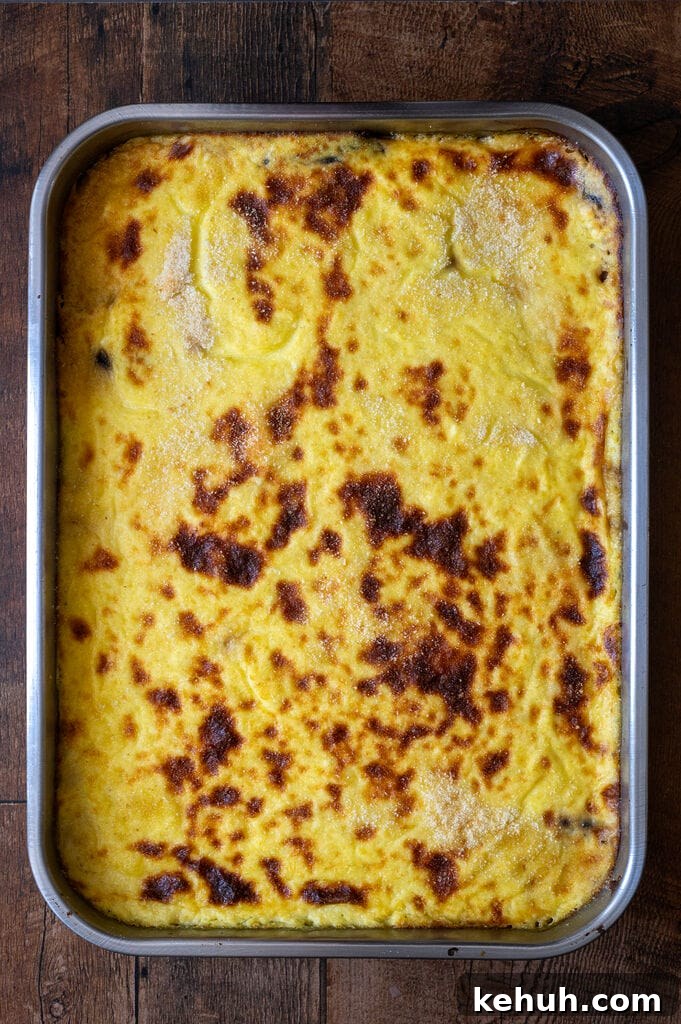
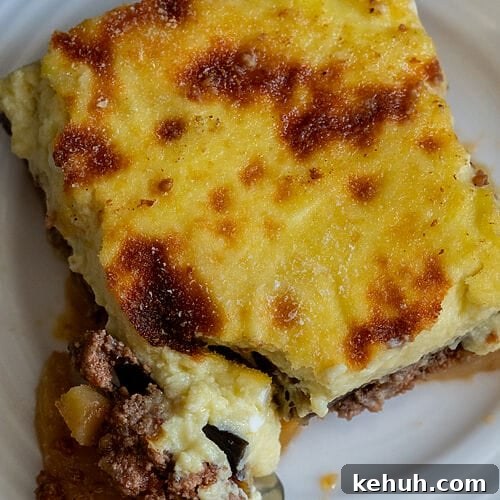
Sprinkle the top with 1/4 cup breadcrumbs and 1/4 cup grated mizithra (or Parmesan). Bake for 40 minutes until heated through and the top is golden brown. Let rest before slicing and serving.
Recipe substitutions
You can use only lamb, only veal, or beef or pork in the meat sauce. If mizithra is unavailable, substitute grated Parmesan or Romano. Any dairy milk (including lactose-free) is fine for the béchamel.
Cooking tips
Moussaka may seem time-consuming, but with some prep it becomes manageable. The potato, eggplant and meat layers (not the béchamel) can be made a day or two in advance and refrigerated. If you prepare the meat ahead, drain it and reserve about 3 tablespoons of its liquid to oil the pan when assembling.
The recipe is written for an 11 x 14-inch pan, but it adapts easily to other sizes: halve the recipe for a smaller pan or keep quantities the same and use leftovers in other dishes (pastitsio, sandwiches, or simple reheated portions). Broiling eggplant requires attention — oven strengths vary — and baking eggplant at 350°F will work but takes longer than broiling.
Frequently asked questions
What are the main ingredients in a moussaka?
Typical moussaka layers include meat (usually ground lamb, beef or a combination), eggplant, potatoes and a béchamel topping. Zucchini appears in some regional variations, but eggplant is traditional and essential.
Is moussaka difficult to make?
It isn’t difficult, just multi-step. Detailed instructions and photos make it straightforward, and many components can be prepared ahead to simplify assembly.
How do you make a traditional moussaka?
A traditional version uses layered fried or roasted eggplant, a tomato-based meat sauce seasoned with spices like cinnamon, a potato layer, and a rich béchamel on top. Recipes vary by family and region.
Recipe variations
Variations include adding zucchini, mixing cheeses into the béchamel, or making a vegan moussaka that swaps meat and dairy for plant-based alternatives. Each variation keeps the layered concept while adjusting ingredients for dietary needs or flavor preferences.
Related recipes
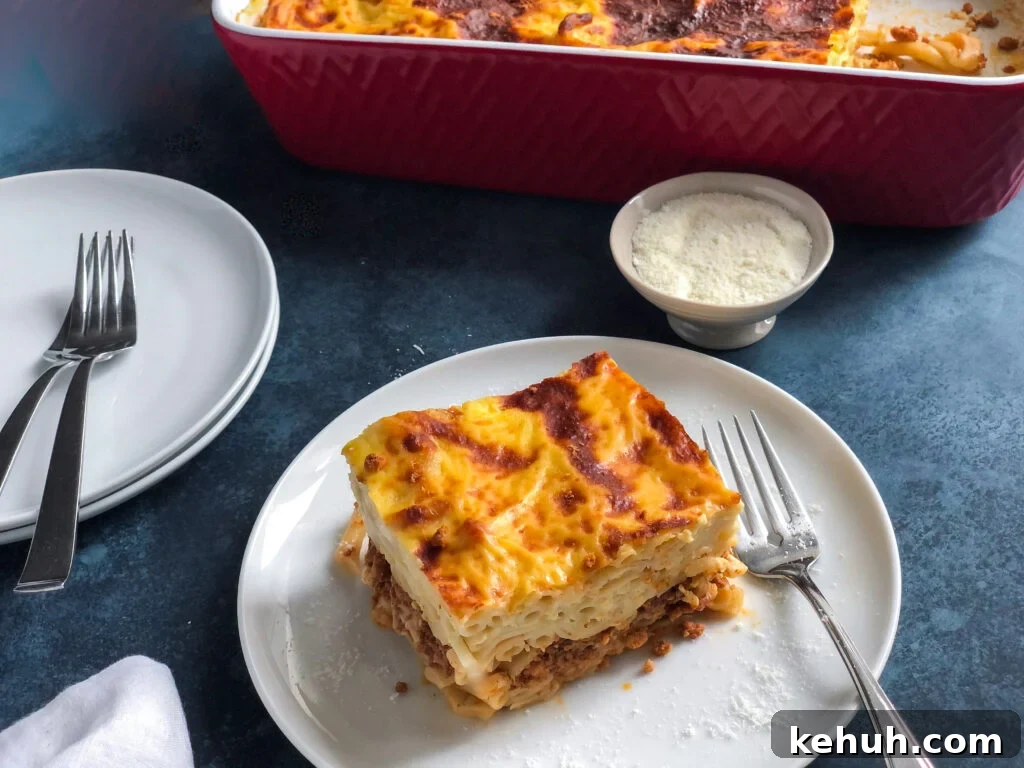
Pastitsio (Παστίτσιο)
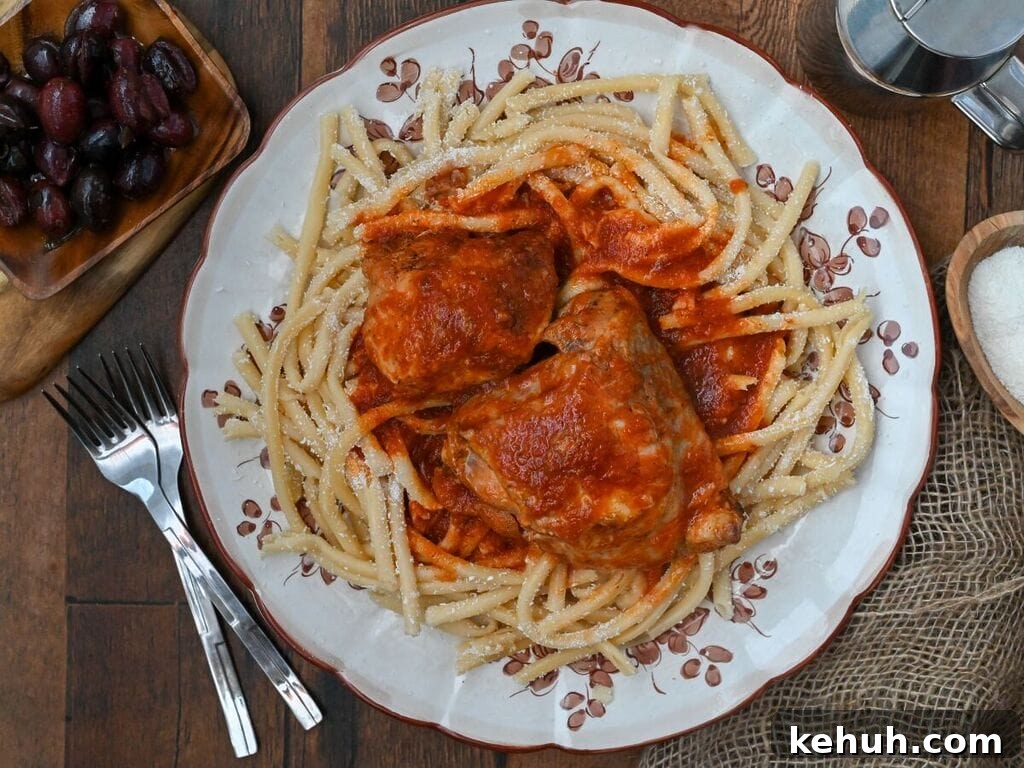
Rooster with pasta and tomato sauce (Kokora kokkinisto me makaronia)
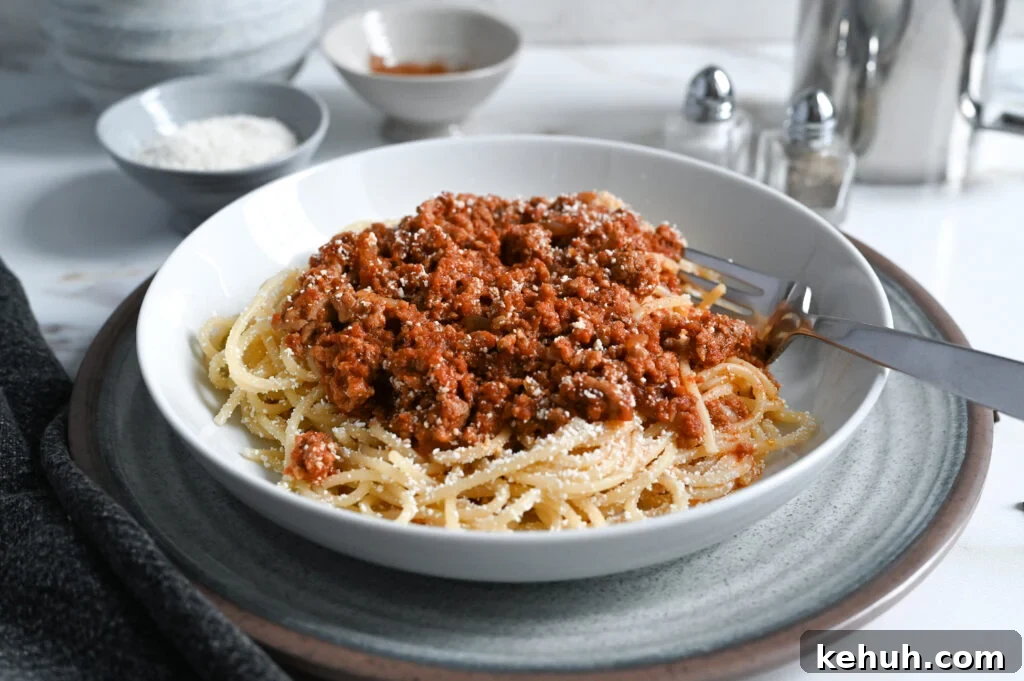
Spaghetti with meat sauce (Greek Makaronia me kima)
Subscribe to our newsletter
We love hearing from you! If you make this recipe or have questions, please leave a comment and a star rating below.
This post may contain affiliate links, which can earn us a small commission at no additional cost to you.
Moussaka
Equipment
- mandolin (optional)
- 11 x 14 inch baking pan
- sauce pots
- frying pan
Ingredients
Meat Mixture
- 1 medium yellow onion
- 3/4 cup olive oil
- 2 pounds ground meat (veal and lamb recommended)
- 2 cups tomato sauce
- 1/2 cup water
- 1 1/2 tsp salt
- 1/2 tsp ground cinnamon
- 1/2 tsp ground pepper
Potatoes
- 12 medium potatoes (yellow-fleshed preferred)
- vegetable oil for frying
Eggplants
- 7 medium eggplants
- 1 tsp salt
- olive oil for brushing
Béchamel Sauce
- 1/2 cup olive oil
- 1 cup all-purpose flour
- 2 liters milk (2% lactose-free used here)
- 7 eggs, beaten
- 1 tsp salt
- 1/2 tsp ground nutmeg
- 1/4 cup plain breadcrumbs
- 1/4 cup mizithra cheese (or grated Parmesan)
- 1/2 cup crumbled feta (optional)
Instructions
Prepare the meat sauce
- Sauté the diced onion in 3/4 cup olive oil until soft and slightly caramelized.
- Add the ground meat and break it up as it cooks.
- Add 2 cups tomato sauce, 1/2 cup water, 1 1/2 tsp salt, 1/2 tsp cinnamon and 1/2 tsp pepper. Cover and simmer over medium heat for one hour, stirring occasionally. Adjust seasoning and set aside.
Prepare the potatoes
- Peel and slice potatoes into 1/4-inch rounds.
- Soak in cold water for 10 minutes, then drain and salt.
- Fry in about 1 inch of vegetable oil in batches until golden on both sides. Drain on paper towels.
Prepare the eggplant
- Slice eggplants lengthwise and soak in cold water for 10 minutes. Drain and salt with 1 tsp salt.
- Broil: Arrange on parchment-lined trays, brush with olive oil and broil 5–10 minutes per side in batches until tender. OR
- Fry: Heat oil and fry eggplant slices until golden on both sides. Drain on paper towels.
Béchamel sauce
- Heat 1/2 cup olive oil in a heavy saucepan over medium heat.
- Whisk in 1 cup flour and cook 2–3 minutes without browning.
- Slowly add 2 liters milk, then stream in 7 beaten eggs while stirring constantly. Season with 1 tsp salt and 1/2 tsp nutmeg.
- Cook about 10 minutes until thickened but pourable.
Assemble and bake
- Preheat oven to 350°F (175°C).
- Pour any meat juices into the bottom of an 11 x 14-inch pan or brush the pan with olive oil.
- Layer fried potatoes across the bottom. Top with the meat mixture and a light dusting of nutmeg.
- Arrange eggplant slices over the meat and add crumbled feta if desired.
- Pour béchamel over the top, spreading evenly.
- Sprinkle 1/4 cup breadcrumbs and 1/4 cup mizithra over the béchamel. Bake 40 minutes until the top is golden and the moussaka is heated through. Let rest before serving.