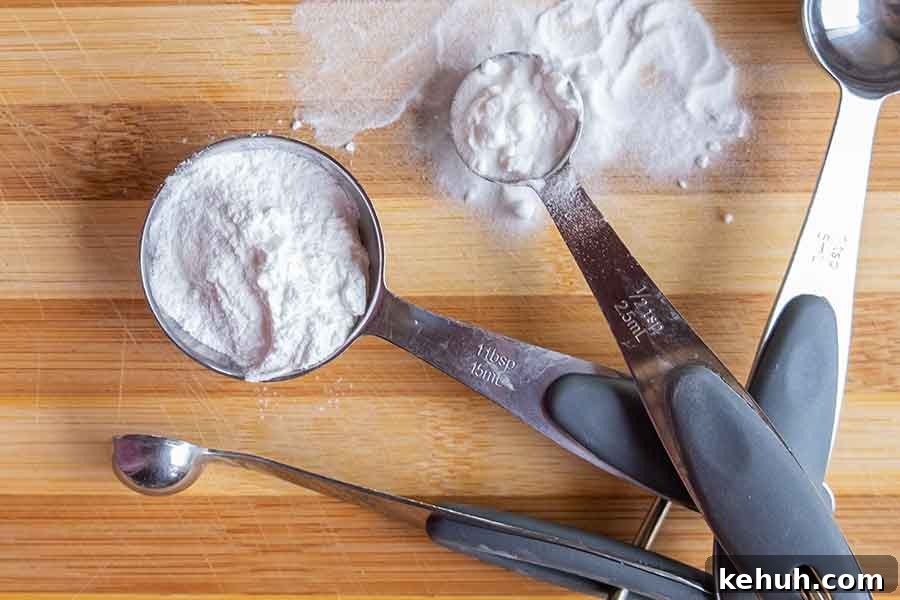
Baking powder and baking soda are two of the most widely used leavening agents in baking. Both create lift, but they are not interchangeable: their chemistry and how they behave in recipes differ, and substituting one for the other can cause baked goods to perform poorly. If you’ve ever tried swapping baking powder for baking soda (or vice versa), you may have noticed textures, rise, or flavor that weren’t what you expected.
Baking Powder vs. Baking Soda
Baking Powder
Baking powder is a complete dry leavening agent: it contains a base (usually sodium bicarbonate) plus an acid and often a neutral filler such as cornstarch. The acid–base reaction produces carbon dioxide gas, which causes batters and doughs to expand.
Various brands use different acidic components—cream of tartar is common—and many include starches like cornstarch or potato starch to absorb moisture and keep the powder free-flowing. Because baking powder includes an acid, it only needs moisture (and heat, for some varieties) to work.
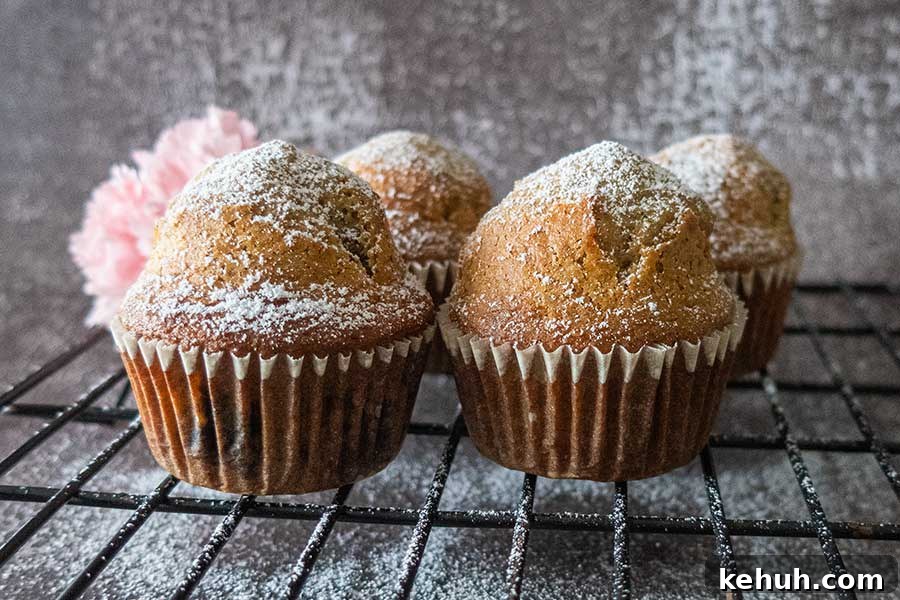
Double-acting baking powder releases gas in two stages: some gas when mixed with liquid and more when heated, which helps give a more reliable rise. Baking powder is typically used in recipes that call for a neutral-tasting rise, such as muffins, cakes, and biscuits where a light, tender crumb is desired.
Baking Soda: How It Works and When to Use It
Baking soda is pure sodium bicarbonate. It requires an acidic ingredient in the recipe—such as buttermilk, lemon juice, yogurt, fruit juices, brown sugar, maple syrup, honey, or cocoa powder—to produce carbon dioxide and cause rise. Without sufficient acid, baking soda will not react properly and can leave a metallic or soapy taste.
Baking soda reacts quickly once combined with an acid and moisture, so recipes using it are often baked right away. It’s commonly used in cookies to promote spreading and a crisp edge, and it also has household uses as a mild abrasive and deodorizer.
Baking Powder vs. Baking Soda: Two Major Differences
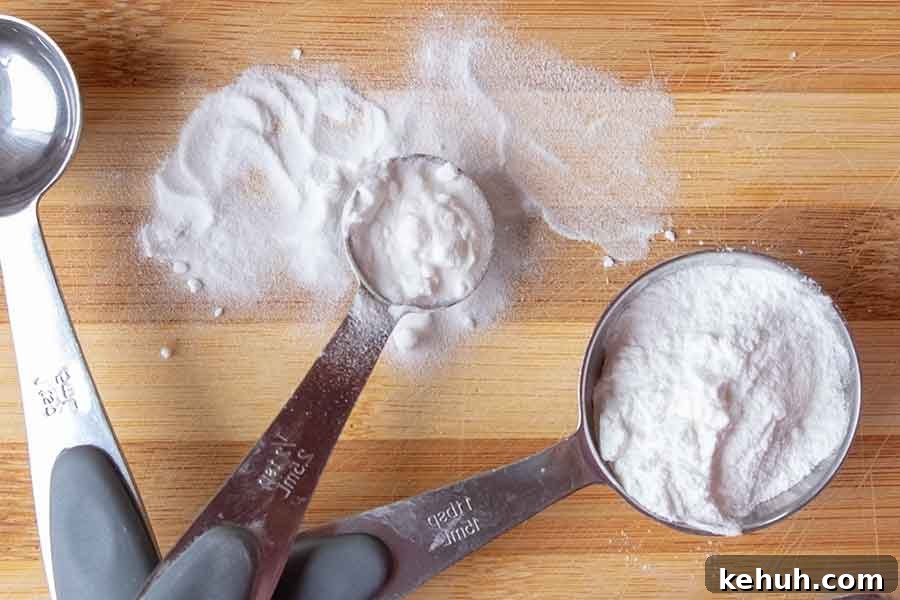
The first key difference is composition: baking powder contains both an acid and a base; baking soda is only the base. The second is how they’re used: baking powder works without additional acidic ingredients, while baking soda needs acid to activate.
Historically, some baking powders contained wheat starch, which could introduce gluten. Today most manufacturers use gluten-free starches such as corn or potato, but it’s still important to check labels for additives and allergen statements.
Another consideration is aluminum: some baking powders include sodium aluminum sulfate or sodium aluminum phosphate. If you prefer to avoid aluminum, choose baking powder labeled aluminum-free. Pure baking soda is typically a single ingredient and naturally gluten-free, but if cross-contamination is a concern, select a brand made in a dedicated gluten-free facility.
Substituting Baking Powder and Baking Soda: What You Need to Know
If you’re out of baking powder, you can make a quick substitute by mixing one teaspoon baking soda with two teaspoons cream of tartar; use that mixture immediately because the reaction begins as soon as the ingredients contact moisture. To replace baking soda with baking powder, a rough guideline is to use three times the amount of baking powder for each teaspoon of baking soda, but this is not ideal. Using that substitution can produce weaker rise, altered texture, or different browning because baking powder adds additional acidic components and fillers.
In short, whenever possible follow the recipe’s specified leavening agent for best results: baking soda for recipes that rely on an acid–base reaction, and baking powder when no additional acid is present.
Proper Storage and Shelf Life of Baking Soda and Baking Powder
Store both baking soda and baking powder in a cool, dry place in tightly sealed containers to preserve their potency. Over time they lose effectiveness, so replacing them every 6 to 9 months ensures consistent baking results. Test baking soda by adding a little vinegar—if it fizzes vigorously it’s still active. Test baking powder by placing a small amount in hot water; it should bubble immediately.
Let’s Connect
Be sure to FOLLOW US on FACEBOOK and PINTEREST.
Many thanks!
Kristina xx
Affiliate Disclosure: Only Gluten-Free Recipes participates in the Amazon Services LLC Associates Program. Please see the site’s sponsorship and disclosure policy for more details.