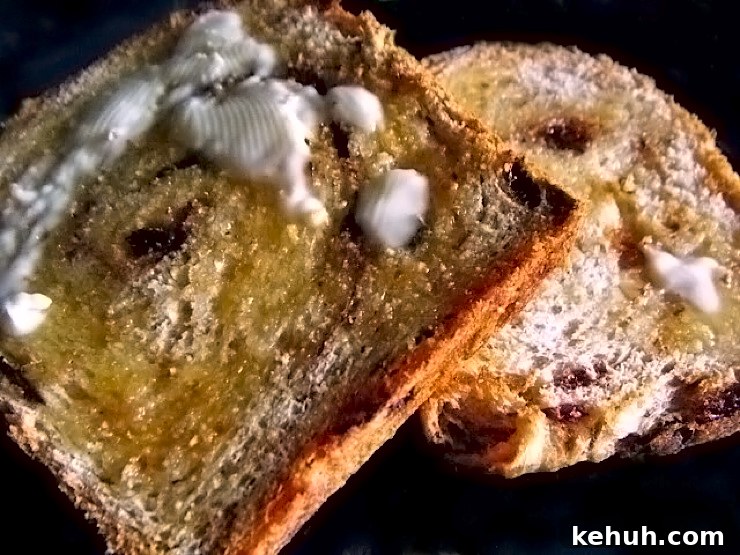
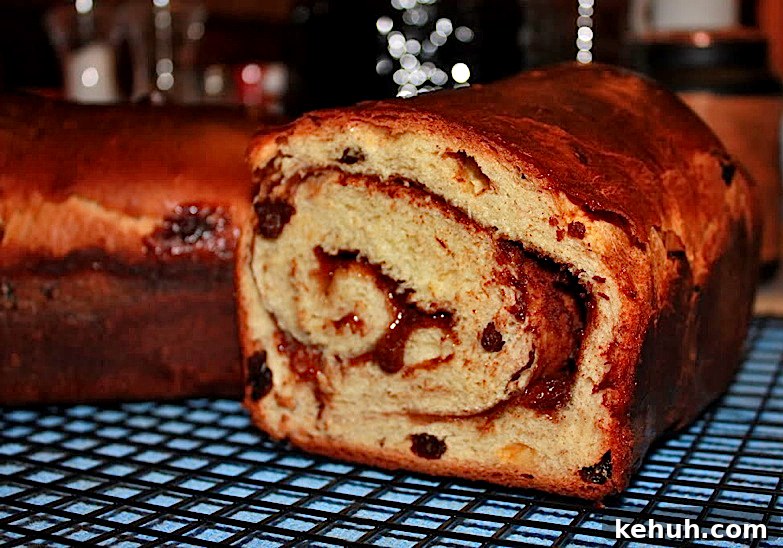
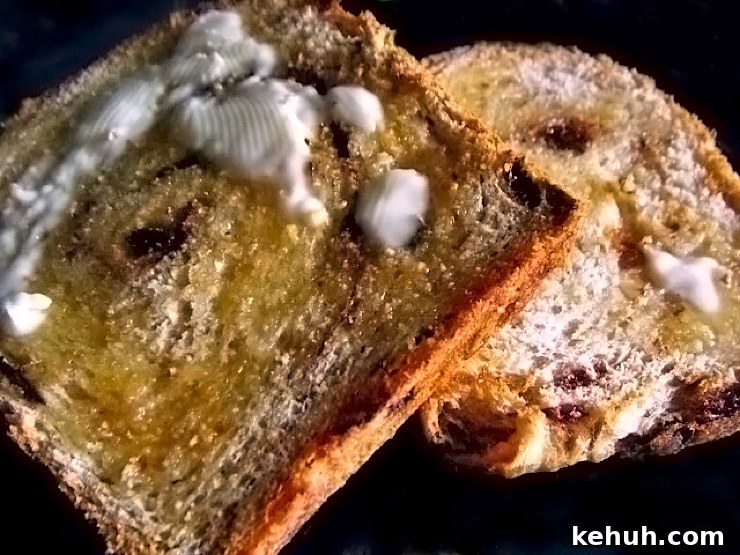
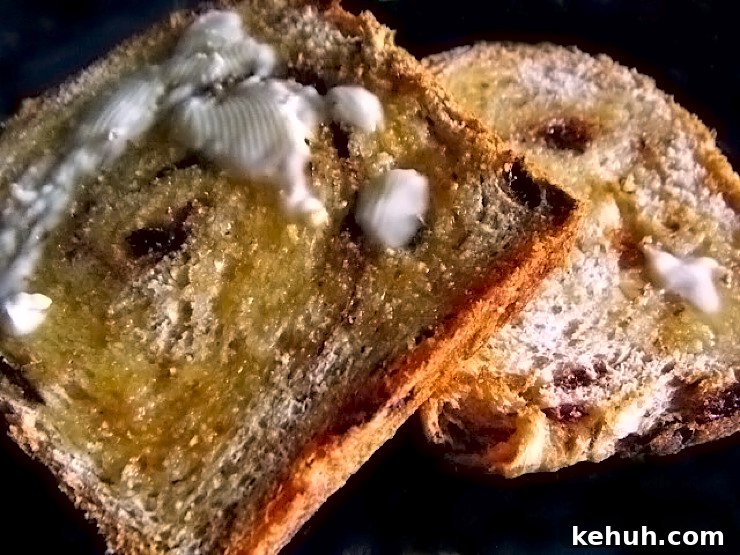
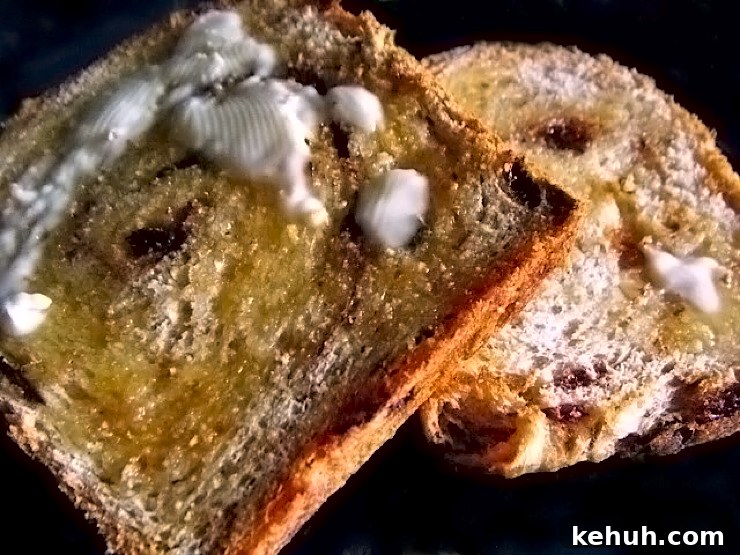
When I was a child and my father’s parents visited, my grandmother Mimi always baked cinnamon rolls, twists and breads for us. Few things rival the scent of cinnamon baking in the oven, filling the house with warm, irresistible aromas—especially waking up to freshly baked cinnamon bread.
The first bread I learned to make was a simple, home-style white loaf. At about 15, I decided to try making bread completely from scratch. The closest I’d come before was making cinnamon rolls with my grandmother at age ten. I pulled out my trusty Betty Crocker cookbook—the red-and-white checkerboard edition—read the recipe, and gave it a go. It turned out remarkably well for a first loaf: not perfect, but impressively close.
As I gained experience and my tastes grew, I experimented with fresh herbs and different additions. Cinnamon, however, repeatedly frustrated me. Loaves that were perfect without it became heavy and dense when I added cinnamon. After several failed attempts I stopped trying and stuck to plain loaves for a while.
Curiosity eventually led me back. With help from advanced bread-baking books and online resources, I discovered an important fact: cinnamon inhibits yeast activity. That explained why my cinnamon loaves were dense. When a dough contains a lot of cinnamon you must allow it to rise significantly longer than usual. There are also a few practical tricks to help the dough rise higher and more evenly—see the Kitchen Skill section for details.
If you’re learning to bake and have Internet access, I recommend King Arthur Flour’s website. They offer reliable tips and recipes to improve your results; today’s recipe is adapted from their work. Their flours are known for consistency and quality, which helps when you’re trying to get dependable outcomes.
Here is their headnote for this recipe: “For a deep, moist cinnamon swirl, blend sugar, cinnamon and raisins or currants until smooth—the dried fruit adds both moisture and subtle flavor. Also, brush the dough with beaten egg rather than butter before adding the filling. Butter can act as a barrier between rolled layers, causing the bread to unravel when sliced; the protein in egg helps glue the layers together and reduces unraveling.”
You may notice bread rises faster in summer than winter. If your kitchen is cool, try this trick for a warm proving environment: turn the oven to 400°F for one minute, then switch it off, leave the oven light on, place the covered bowl of dough inside and close the door. The oven will stay warm enough for yeast activity and help the dough rise consistently.
I never tire of learning about baking—that’s part of the appeal. Baking requires precision, yet allows creativity if you respect the balance of liquid, flour and fat. Cooking is enjoyable too, but baking’s challenges and the satisfaction of a successful loaf keep me coming back.
If you’ve wanted to make cinnamon bread or failed before, give this recipe a try. I sometimes include raisins or currants and sometimes omit them—make it the way you like. I hope you enjoy the process as much as I do. Happy baking!
Jane’s Tips and Hints:
Some cinnamons are stronger than others. Cassia cinnamon, commonly sold from Asia, tends to be more intense than varieties sold in Europe. It gives a spicy, delicious flavor but can also inhibit yeast activity, so use stronger cinnamons sparingly.
Kitchen Skill: Baking with Cinnamon
If your cinnamon rolls or bread struggle to rise, the cinnamon’s essential oils may be the cause. To protect yeast activity, brush the dough with egg wash or a thin layer of butter before adding the cinnamon filling. This barrier helps the dough rise more evenly and higher.
For extra cinnamon flavor without compromising rise, soak raisins or dried fruit in hot cinnamon water to plump them; the fruit will impart the spice without directly exposing the yeast to strong cinnamon oils.
If you mix cinnamon into the dough itself, keep the ratio of cinnamon to yeast in mind. Small amounts—around 5% to 10% of the yeast weight—won’t interfere with rising. When cinnamon levels approach 35% to 40% of the yeast weight, yeast activity drops significantly. (Source: Shirley O. Corriher, Cookwise.)
- Dough
- 3 cups King Arthur Unbleached All-Purpose Flour
- 1/4 cup potato flour
- 1/4 cup Baker’s Special Dry Milk
- 1-1/4 tsp salt
- 1/2 tsp cinnamon
- 3 tbsp sugar
- 2-1/2 tsp instant yeast
- 4 tbsp butter or margarine, at room temperature
- 1 cup water
- Filling
- Egg wash, made from 1 egg beaten with 1 tsp water
- 1/4 cup sugar
- 1-1/2 tsp cinnamon
- 1/4 cup raisins or currants, optional
- 2 tsp King Arthur Unbleached All-Purpose Flour
- Topping
- 1 egg beaten with 1 tablespoon water
- 2 tbsp cold butter, cut into small pieces
- 2 tbsp sugar
- 1/4 tsp cinnamon
- 1/4 cup King Arthur Unbleached All-Purpose Flour
- Manual/Mixer Method: In a large bowl combine all dough ingredients and mix until the dough begins to pull away from the sides. Knead with an electric mixer for 2 minutes, let rest 15 minutes, then continue kneading 5–7 minutes or until smooth.
- If kneading by hand, work on a lightly oiled surface: knead 3 minutes, rest 15 minutes, then knead another 8–10 minutes until smooth. Place dough in a lightly oiled bowl, cover and let rise 1 to 1½ hours, until puffy if not doubled.
- Bread Machine Method: Put the dough ingredients in the bread machine, select Manual or Dough, and start. About 10 minutes before the final knead finishes, check and adjust the dough consistency with flour or water so it’s smooth but slightly tacky. Let the machine complete its cycle.
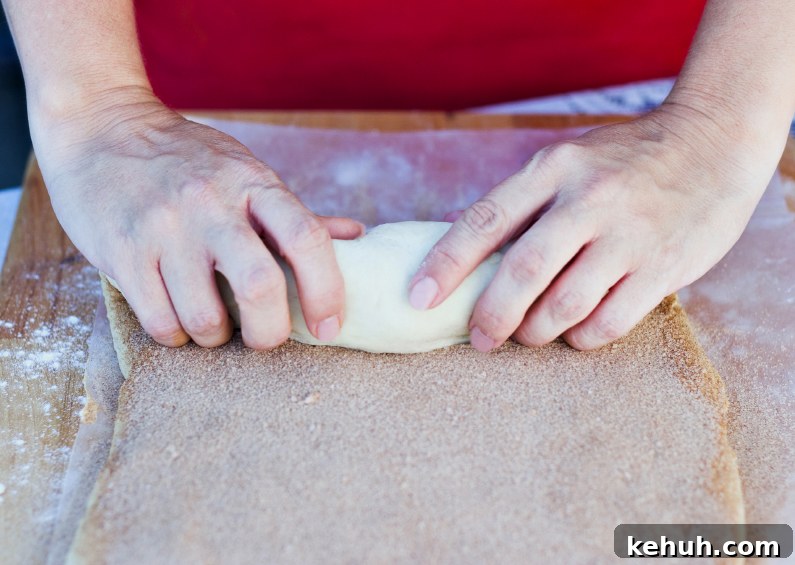
- Turn the dough onto a lightly oiled surface and shape it into a rectangle about 16 x 8 inches. Brush with some beaten egg, mix the filling ingredients and spread them evenly. Roll from a short edge into a log, pinch seams and ends closed, and place seam-side down in a greased 8-1/2 x 4-1/2 inch loaf pan. Cover and let rise about 1 hour at room temperature, or until it rises about 1 inch over the rim.
- Place oven racks in the lower third and preheat to 350°F.
- Make the Streusel Topping: In a small bowl or mini processor combine streusel ingredients and cut in the butter until crumbly. If using a processor, watch carefully—streusel can quickly become cohesive. Brush the loaf with remaining beaten egg and gently press on the streusel. This step is optional.
- Bake at 350°F for about 45 minutes. If the top browns too quickly, tent lightly with foil for the final 15 minutes.
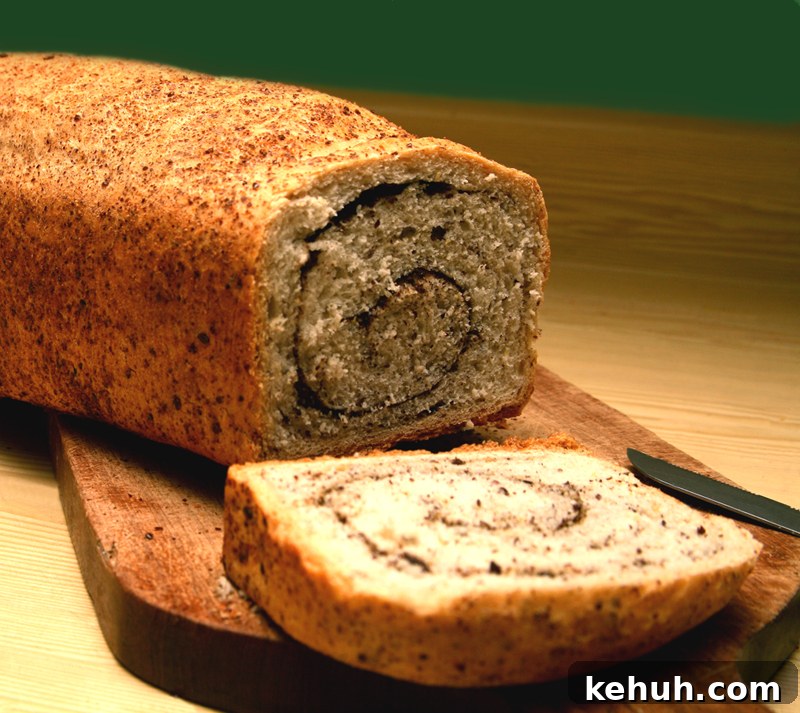
- Remove the loaf from the oven and after about 5 minutes, loosen the edges with a knife and turn the pan to release the bread. Some streusel may fall off; this is normal. Let the loaf cool slightly before slicing.
- Yield: 1 loaf
Unauthorized use, distribution, and/or duplication of proprietary material without prior approval is prohibited. For questions or permission, contact heritagecook (at) comcast (dot) net. You may quote the recipe if you give credit and link back to the original source.
Thank You!