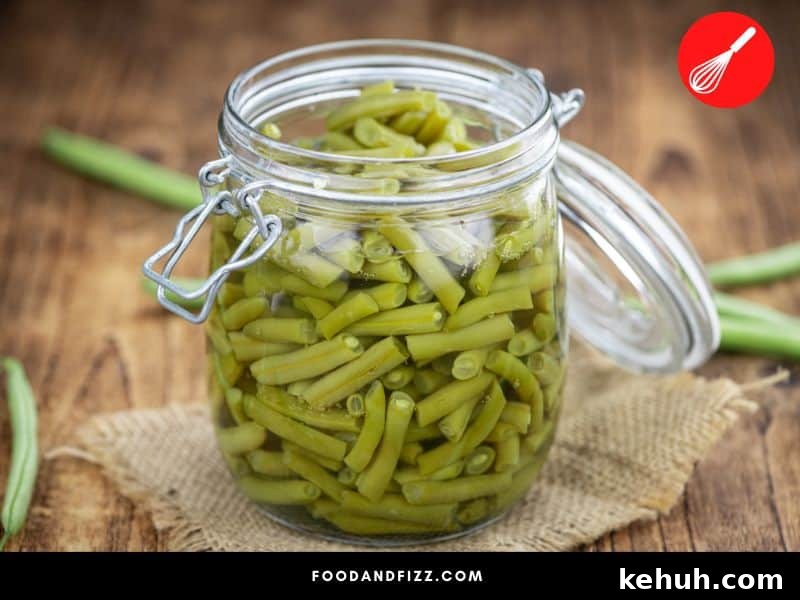
When done correctly, canning is a reliable method for preserving food. Invented by French chef Nicolas Appert, the technique relies on heating food to a specific temperature and sealing it in airtight containers so bacteria that cause spoilage cannot grow. This preserves food for future use.
Canning is a safe way to extend shelf life when proper methods are followed. Today there are three scientifically approved approaches: water bath canning, pressure canning, and steam canning.
Table of Contents
Toggle
How Do I Can Green Beans the Old-Fashioned Way?
Green beans are a low-acid food, so the safe way to can them is with a pressure canner or a vessel that reaches temperatures above 240°F. Water bath and steam canning are only safe for green beans when the beans are transformed into a pickled, high-acid product using a tested recipe.
What’s the Best Way to Can My Green Beans?
Canning is a popular method for capturing the peak flavor of seasonal produce so you can enjoy it later. Home-canned tomatoes, fruits, and vegetables let you preserve summer tastes for cooler months. Green beans are one such vegetable people often want to store for winter use.
Because green beans are low-acid, the recommended and safest method to can them without changing their character is pressure canning.
Pressure Canning Is the Way to Go
There are three approved canning methods: water bath, steam, and pressure canning. Which one to use depends on the food’s acidity. High-acid foods (pH below 4.6) may be processed by water bath, steam, or pressure canning when using validated recipes.
Low-acid foods (pH above 4.6) require pressure canning because only that method reaches the higher temperatures—typically above 240°F—needed to destroy heat-resistant bacteria and spores. Green beans are low-acid (around pH 5.6), and authoritative sources advise pressure canning as the safe method unless the beans are properly pickled to raise acidity.
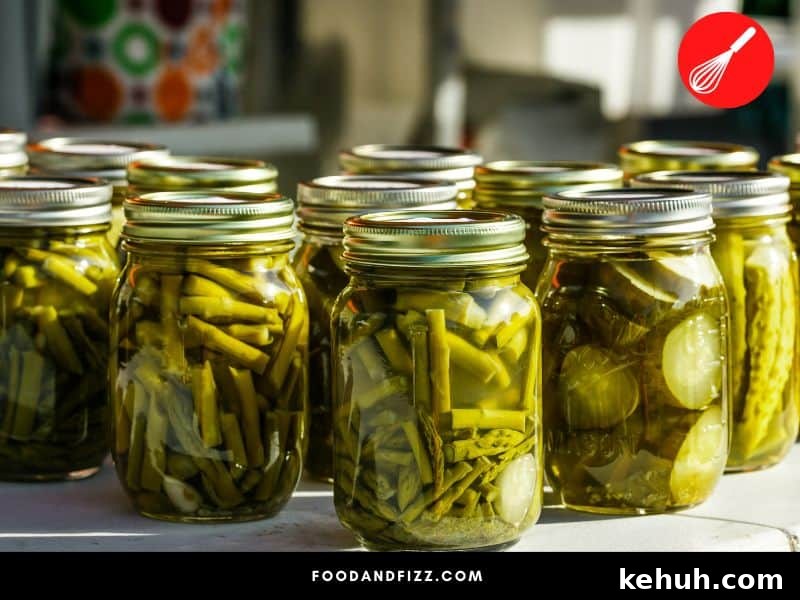
Why is Temperature and Acidity Important in Canning?
Temperature and acidity are central to safe canning because they control the survival and growth of microorganisms. Correct heat processing kills harmful bacteria, yeasts, molds, and inactivates enzymes that cause spoilage. Acidity helps prevent the growth of specific bacterial spores that can survive boiling temperatures.
The Role of Temperature
Heating jars kills most spoilage organisms. Temperatures between 140°F and 160°F slow bacterial growth but don’t reliably kill all pathogens. Boiling water at 212°F, used in water bath and steam canning, destroys many organisms but not the heat-resistant spores of Clostridium botulinum. Those spores can produce botulinum toxin in low-acid environments.
Pressure canning reaches higher temperatures—generally 240°F and above—necessary to inactivate those resistant spores when processed for the correct time. That is why low-acid foods must be pressure canned: the higher temperature provides the safety margin water bath and steam methods cannot deliver.
Heating also deactivates enzymes that would otherwise break down food, and it creates the vacuum seal that keeps jars sterile after processing.
The Importance of Acidity
Acidity affects whether dangerous bacteria and their spores can grow in a sealed jar. High-acid foods—like most fruits, properly pickled products, jams, and jellies—create an environment that prevents botulism even if processing temperatures are limited to boiling water or steam. Low-acid foods lack this protection and therefore require pressure canning to be safe.
Always use tested recipes from trusted authorities when canning. Do not use unproven methods or recipes for low-acid foods—your health and safety depend on following validated procedures.
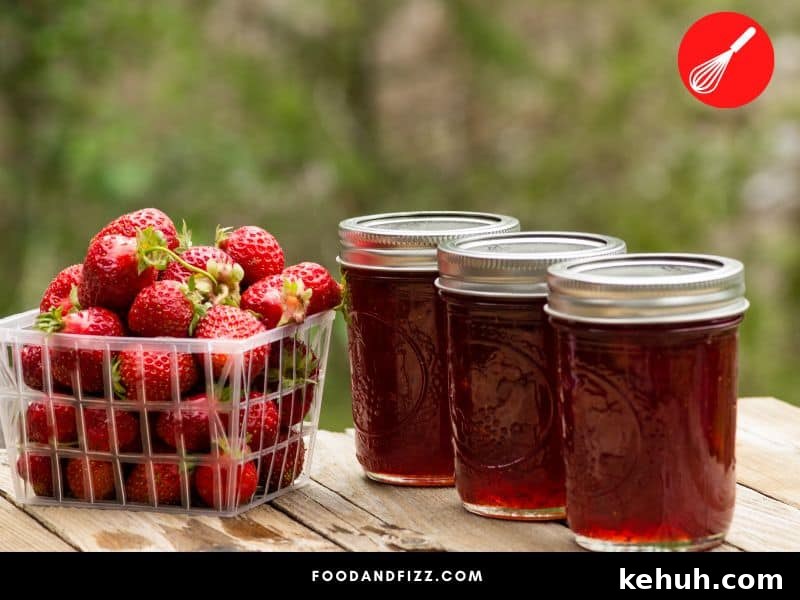
How To Can Green Beans Using A Pressure Canner
The following recipe is adapted from the National Center for Home Food Preservation. Always use tested, expert-approved recipes and follow the recommended processing times and pressures for your altitude and equipment.
Canned Green Beans
Yield: 7 Quarts
Ingredients
- 14 pounds green beans
- 7 teaspoons canning salt (optional)
Procedure
- Wash and trim the beans; leave whole or cut into 1-inch pieces.
- Pack beans into clean jars.
Raw pack:
- Pack raw beans tightly into jars, leaving 1-inch headspace.
- Add canning salt if desired.
- Cover with boiling water, maintaining 1-inch headspace.
Hot pack:
- Boil beans in water for 5 minutes.
- Pack beans into jars without packing tightly and leave 1-inch headspace.
- Add canning salt if desired.
- Pour boiling liquid into jars, leaving 1-inch headspace.
Secure lids and process jars in a pressure canner according to the times and pressures specified by authoritative sources for green beans and your altitude.
How Does Canning Work?
Canning involves sealing food in jars and heating them so that harmful organisms are destroyed and the jar interior becomes sterile. As jars heat, contents expand and air is forced out. When cooled, the pressure outside exceeds the pressure inside the jar, causing lids to seal tightly and form a vacuum that prevents new contamination.
What Are the Three Methods of Canning?
Three scientifically approved methods exist, each with strict procedures to ensure safety: water bath canning, atmospheric steam canning, and pressure canning. Use the method appropriate to the food’s acidity and follow validated recipes precisely.
Water Bath Canning
Water bath canning submerges jars of high-acid foods in boiling water (212°F) for a specified time. No special equipment is required beyond a large pot and a rack to keep jars off the bottom. Because temperatures cannot exceed boiling water, this method is suitable only for high-acid foods like jams, jellies, pickles, and most fruits.
Atmospheric Steam Canning
Steam canning is an alternative that uses steam in a specialized pot rather than submerging jars in water. It can save time and energy and reduce boil-over, but it reaches the same maximum temperature as water bath canning (212°F) and is therefore also limited to high-acid products processed with approved recipes.
Pressure Canning
Pressure canning is required for low-acid foods. A pressure canner raises the processing temperature above boiling—typically to 240°F or higher—so it can inactivate heat-resistant spores and ensure safety when canning vegetables, meats, and other low-acid foods. Follow recommended pressures and processing times exactly.
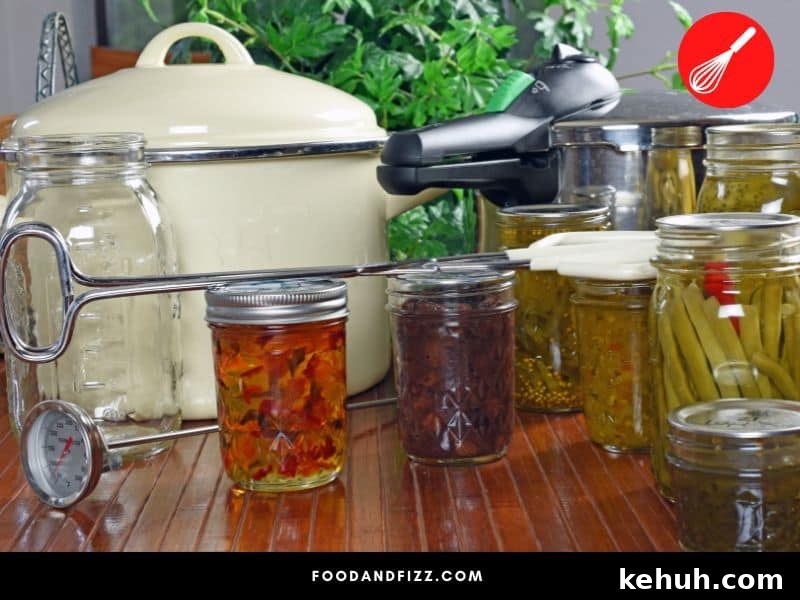
How Did They Can Low-Acid Foods Like Green Beans Prior to the Pressure Canner?
Historically, many people canned low-acid foods using boiling-water methods before the microbiology of foodborne illness was well understood. Without knowledge of heat-resistant spores, some preserved foods unsafely and illnesses occurred intermittently. Major outbreaks in the early 20th century highlighted the danger posed by Clostridium botulinum spores and led to scientific investigations and the development and adoption of pressure canning standards to protect public health.
What Other Ways Did People Use To Preserve Food?
In addition to canning, people have long used fermentation, salting, and drying to preserve food. Many cultures—China, Japan, Italy, Spain, and others—have traditional preservation methods that remain important in their cuisines today.
Frequently Asked Questions
Can I Can My Green Beans in the Oven?
No. Only water bath, steam, and pressure canning are scientifically approved. Canning in the oven is not a validated or safe method.
Can I Add Vinegar to Green Beans To Increase Acidity and Do Water Bath Canning?
Only pickling with a tested, proven recipe that achieves safe acidity levels makes water bath canning appropriate. Simply adding vinegar without following a validated recipe does not guarantee safety.
Conclusion
Unless green beans are pickled using a tested high-acid recipe, they must be canned with a pressure canner. Water bath and steam canning do not reach temperatures high enough to destroy heat-resistant spores that can produce botulinum toxin in low-acid foods. Use only proven methods and authoritative guidelines to ensure safe home canning.