
Let’s talk about building a healthy, balanced meal. I’m sharing the four key areas I focus on every day when planning plates for myself and my kids. These are simple, practical strategies you can use to make meals more nourishing and satisfying.

How to build a balanced healthy meal
When people ask how to build a balanced meal, I break it down into four components: three macronutrients — protein, fat, and carbohydrates — plus vegetables. Thinking about these elements helps me create meals that feel complete, nourishing, and easy to prepare.
A quick checklist I use for each meal
- Are there vegetables?
- Is there protein?
- Is there fat?
- Are there carbohydrates?
Below I explain each component and offer practical ideas you can use when assembling a plate. At the end I’ll build a simple example so you can see how these parts come together.
In a healthy balanced meal we need… veggies
Vegetables are essential. They deliver vitamins, minerals, and fiber, and are extremely nutrient-dense, meaning they give you a lot of benefit for relatively few calories. Adding vegetables increases volume and satisfaction while boosting nutrition.
Easy ways to add more veggies:
- Serve a side salad or pile greens on your plate.
- Roast or steam broccoli, cauliflower, carrots, or Brussels sprouts.
- Add grated zucchini or carrots into sauces, casseroles, or baked goods.
- Snack on kale chips or raw veggies with a dip.
Veggies can be the main feature, like a big salad, or incorporated into the dish—think grated vegetables in pasta sauce or chopped peppers in a stir-fry.
In a balanced meal we need… protein
Protein is a core building block for our bodies. It breaks down into amino acids that support muscle, organs, hormones, and more. When planning meals, I typically consider protein first because it often determines the rest of the plate.
Common protein choices:
- Animal proteins: chicken, beef, pork, turkey, and seafood.
- Non-animal options: eggs, dairy, beans, lentils, tofu, nuts, and seeds.
Choose the proteins your family enjoys and use them as a foundation for your meal plan. Repurposing one cooked protein across multiple meals saves time and simplifies prep.
In a healthy balanced meal we need… fat
Fat adds flavor, texture, and satiety. Some proteins naturally contain fat—fatty fish like salmon provide heart-healthy omega-3s—while other meals benefit from an added source of fat.
Ways to include healthy fats:
- Cook with olive oil, avocado oil, or sesame oil.
- Add avocado, olives, nuts, or seeds to salads and bowls.
- Include fatty fish or a small amount of full-fat dairy if that fits your preferences.
Think about whether the protein already contributes fat, and if not, decide what fat you’ll add for taste and balance.
In a balanced meal we need… carbohydrates
Carbohydrates provide energy and help round out a meal. Aim for complex carbohydrates that offer fiber and nutrients rather than relying on simple, refined carbs.
Smart carbohydrate choices:
- Whole grains: brown rice, quinoa, barley, or farro.
- Starchy vegetables: sweet potatoes or winter squash.
- Whole-grain or legume-based pastas; oats for breakfast.
- When appropriate, corn tortillas or brown rice for Mexican-style meals.
Choose the carb that best complements your protein and vegetables and fits your family’s tastes and needs.
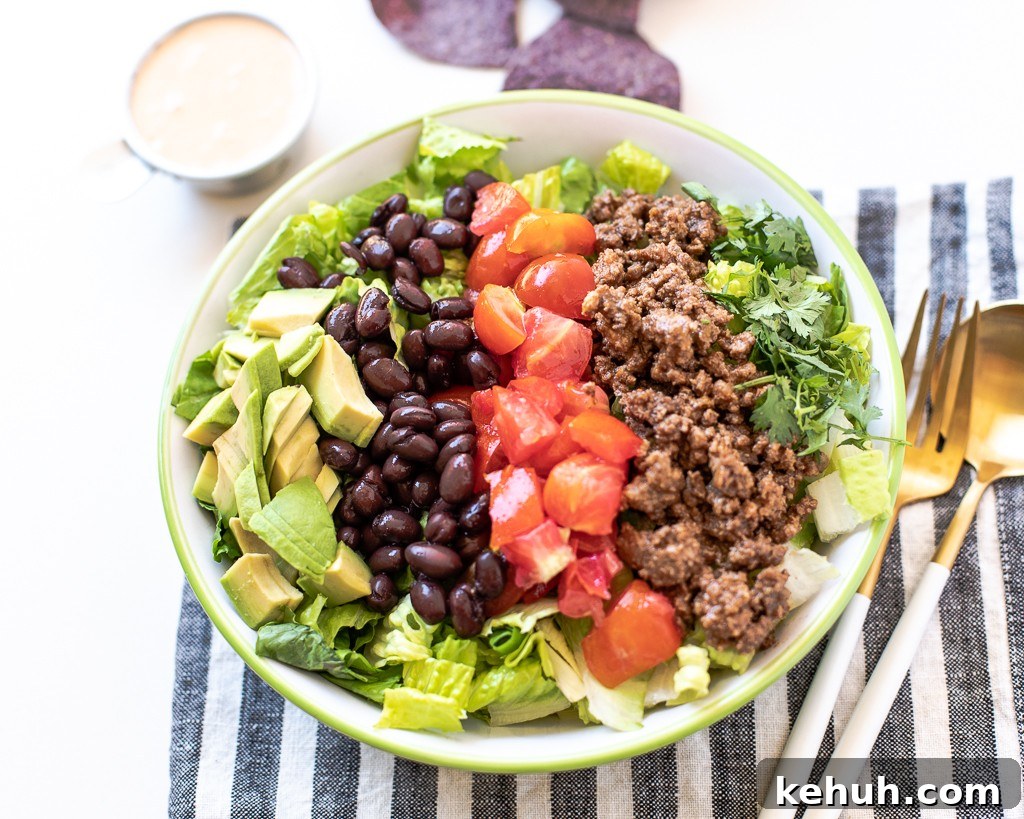
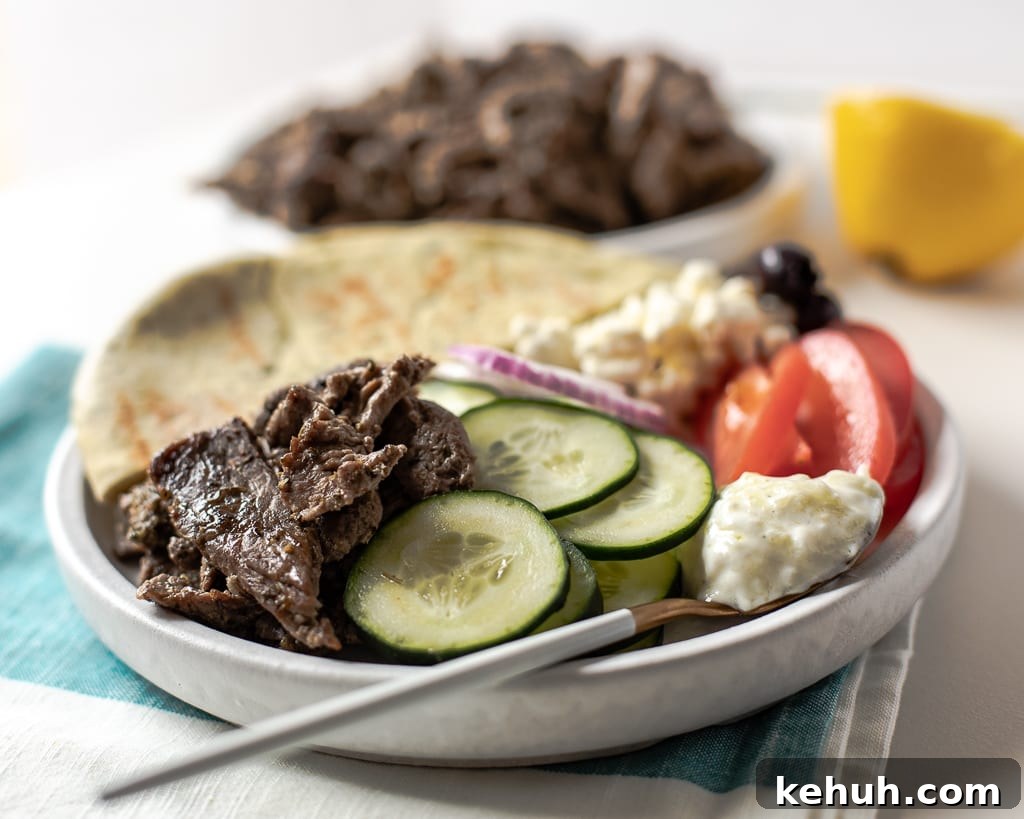
Examples of what healthy balanced meals look like
Let’s build a balanced meal using a taco salad as an example:
- Vegetables: Romaine or mixed greens, tomatoes, bell peppers, onions, and cilantro—add as much color as possible.
- Protein: Seasoned ground beef, shredded chicken, or black beans for a vegetarian option.
- Fat: Sliced avocado and a sprinkle of shredded cheese or a drizzle of olive oil–based dressing.
- Carbohydrate: Serve with a side of baked corn tortilla chips, warm tortillas, or place over brown rice for a burrito bowl.
Using these four components as a guide makes it simple to assemble well-rounded meals that are satisfying and nutritious.
Don’t let perfectionism ruin your meals
Perfection isn’t the goal. Not every plate will be flawless, and that’s okay. Aim for progress, not perfection. Use what works for your family, tweak as you go, and learn from meals that don’t land. Small changes over time add up to healthier habits without stress.
Be flexible, experiment, and keep mealtime enjoyable.
Grab the free meal plan
If you’d like examples of balanced meals ready to use, grab the free one-week meal plan offered. The plan focuses on simple recipes and repurposing cooked proteins to minimize prep time and help get dinner on the table faster.
Prefer to watch and listen? Check out the how-to video.
More resources to help you save time and feed your family
- How to take stress out of feeding your family
- How to meal plan
- Should you meal plan?
- My meal planning secret weapon
- Strategies for picky families
- How to add more variety into your meals (with examples)
- Strategies to save time in the kitchen
- How to customize a meal plan
Do you use these strategies when you build meals, or do you follow a different approach? I’d love to hear what works for your family—leave a comment and share your tips or questions.
XO
Heather