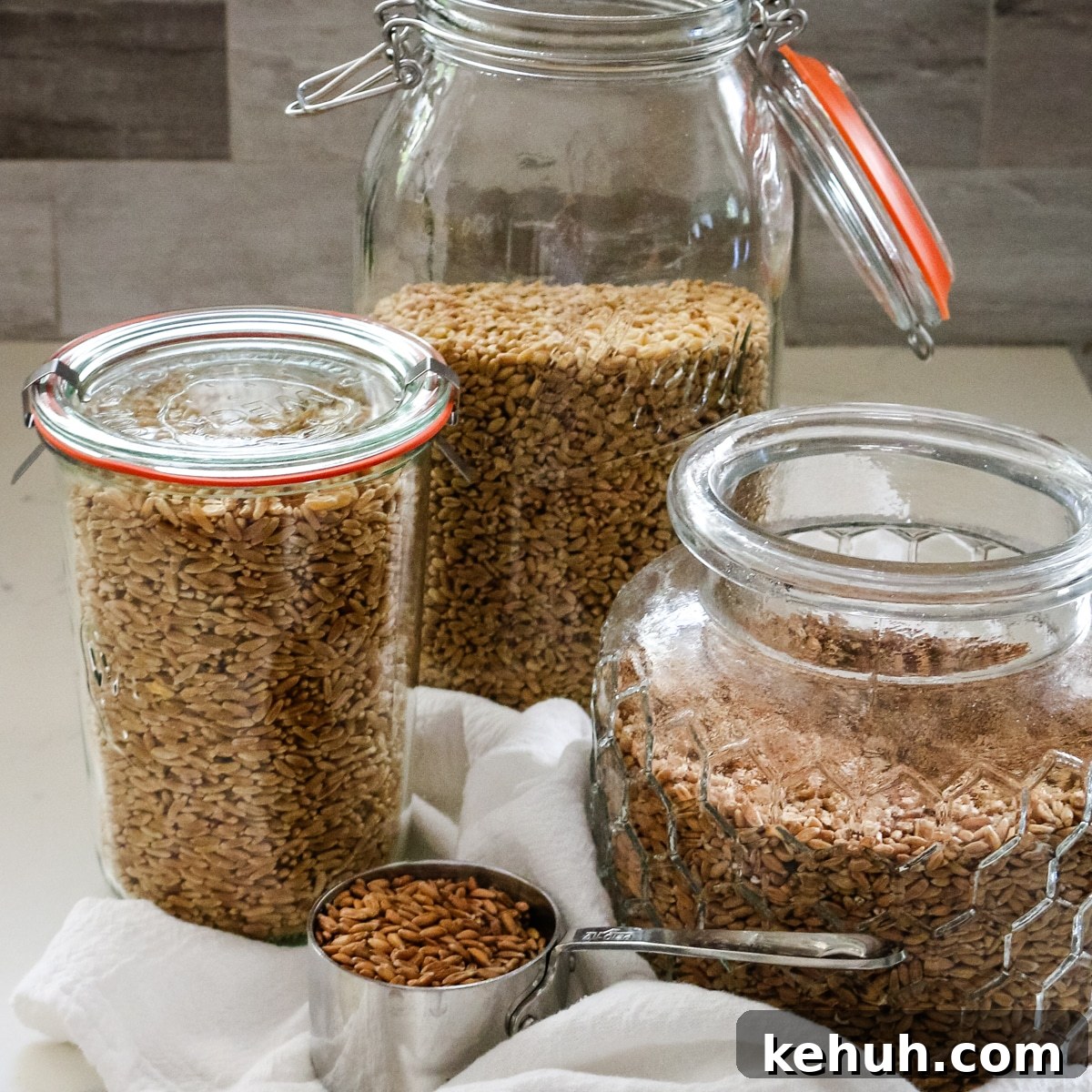
Ancient grains such as spelt, einkorn, teff, millet, and buckwheat are enjoying a resurgence in home kitchens and bakeries. These heritage grains bring concentrated nutrition, distinctive flavors, and a more sustainable profile compared with refined white flour.
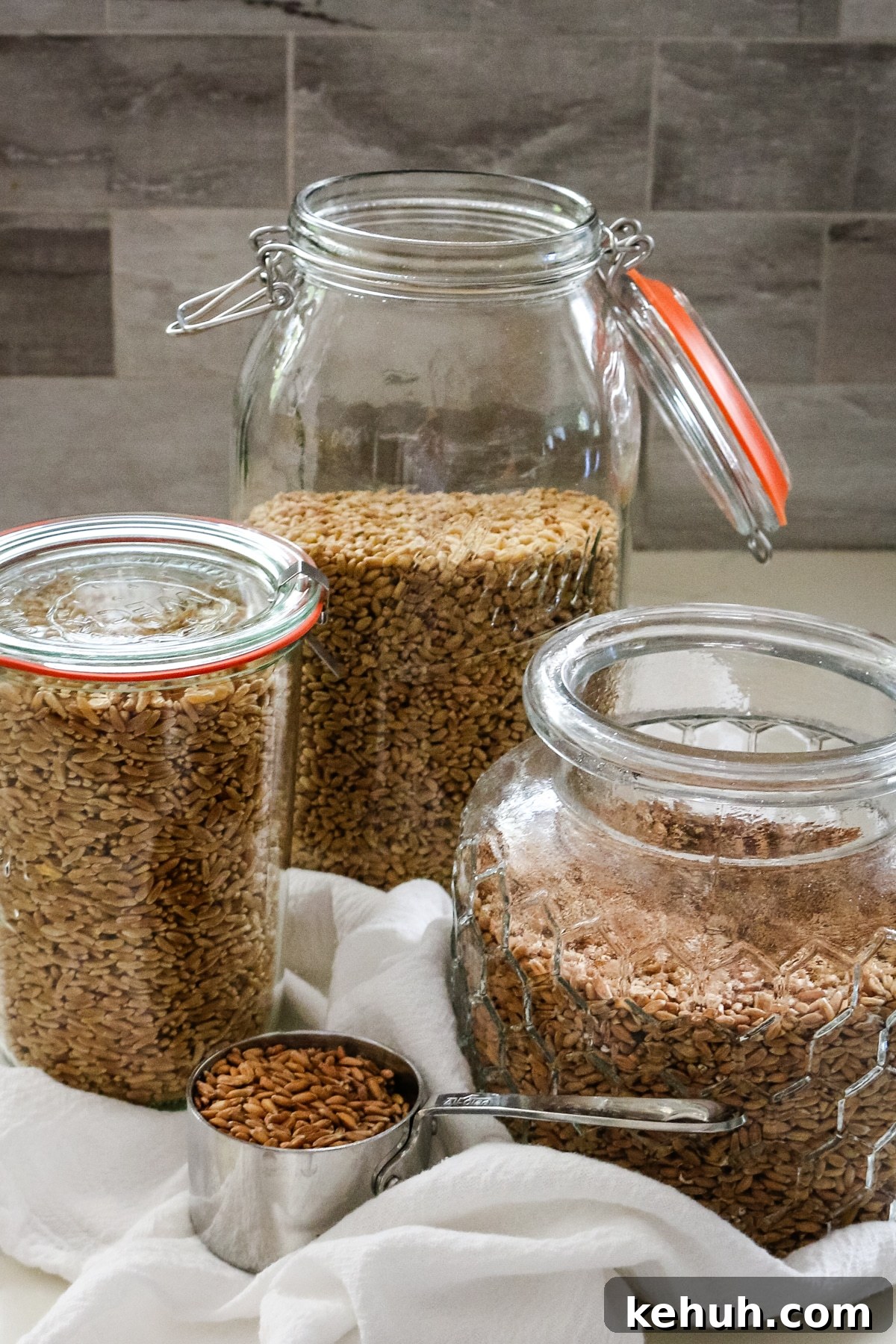
All-purpose flour has dominated Western baking for decades, but ancient grains are returning to the spotlight. Varieties like spelt, einkorn, teff, millet, and buckwheat are being used more often for their flavor, nutrient density, and lower environmental footprint. The market for these grains is growing rapidly as consumers seek healthier and more interesting alternatives to refined wheat flour.
Embracing ancient grains: from grain-free to nutrient-rich
After years of experimenting with grain-free approaches—Paleo, GAPS, and Whole30—many home bakers are finding their way back to whole grains. Even without celiac disease, some people adopted strict grain avoidance due to diet trends. Returning to unhybridized, traditional grains can be a revelation: they deliver complex flavors and concentrated nutrition that refined flours lack.
Exploring ancient grains often feels like reconnecting with traditional food wisdom. Their textures and tastes expand what is possible in baking and everyday cooking, and many people find them easier to digest when used thoughtfully.

What are ancient grains?
Ancient grains are cereal grains and pseudocereals that have changed little through selective breeding and remain close to their original form. Examples include einkorn, emmer, spelt, teff, millet, sorghum, amaranth, buckwheat, and Kamut. Unlike modern, highly bred wheat varieties, these grains retain intact bran and germ and often preserve more natural nutrients, flavor, and texture.
Because ancient grains are typically less modified than modern wheat, they offer a connection to historical diets and can provide distinct sensory experiences in baking and cooking.

Make it Ancestral
Many advocates of traditional diets celebrate ancient grains for their unprocessed character and nutrient density. Choosing whole, heritage grains supports biodiversity, preserves heirloom varieties, and aligns with an approach to food that values nutrient-rich, minimally processed ingredients.
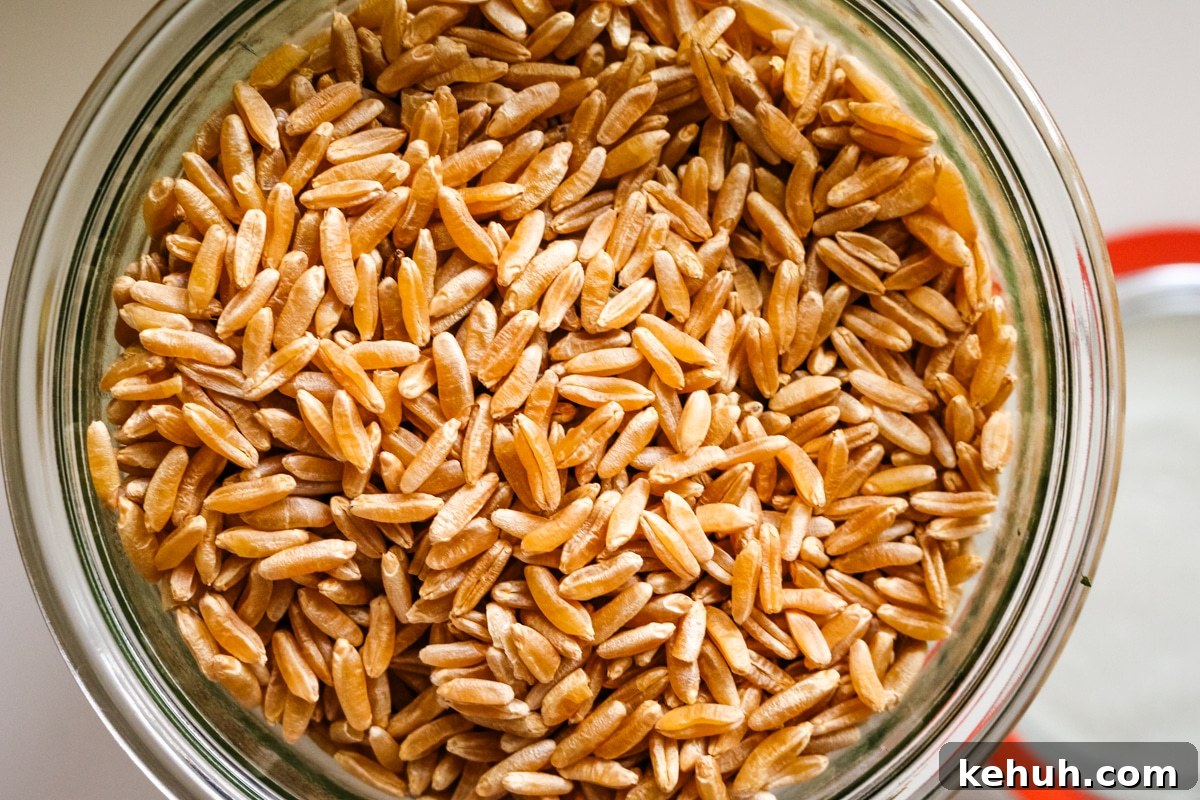
A growing market for ancient grains
Ancient grains have long been staples in regional cuisines around the world. Teff is central to Ethiopian injera, sorghum is used across Africa and Asia, millet and buckwheat are common in many traditional dishes. In recent years, increased interest in whole foods, nutrition, and sustainable agriculture has pushed these grains into mainstream baking and grocery aisles.
Market analysts and industry sources have noted steady growth in the ancient grains segment as consumers look for nutritious alternatives and unique flavors. This interest reflects a broader shift toward whole grains, organic options, and artisanal baking.
Here’s a few recipes to get you started with ancient grains:
Simple, approachable recipes are a great way to begin your exploration.
- How to Roast Buckwheat in Oven
30 Minutes
- Instant Pot Millet (Quick and Fluffy!)
35 Minutes
- Instant Pot Buckwheat
27 Minutes
- Bone Broth Rice
20 Minutes
How ancient grains weigh up against all-purpose flour
Switching to ancient grains reflects broader trends in flavor exploration, health-conscious choices, and sustainable food sourcing. While whole-grain and ancient-grain flours can cost more than refined all-purpose flour, they deliver denser nutrition and unique culinary potential that many home bakers find worth the investment.
Add flavor and texture with ancient grains
All-purpose flour is neutral, which is helpful when you want other ingredients to dominate. Ancient grains, by contrast, contribute earthy, nutty, or buttery notes depending on the variety. Teff and amaranth are often described as earthy, Kamut can be buttery, sorghum has a mild sweetness, and buckwheat adds rustic depth. Using them in blends or as part of a flour mix allows bakers to layer flavor and texture without compromising structure.
Ancient grains for nutrient-packed baked goods
As whole grains, ancient varieties include bran and germ, delivering higher levels of protein, fiber, vitamins, minerals, and antioxidants than refined white flours. Incorporating ancient-grain flours into your baking can help boost the nutritional profile of breads, muffins, pancakes, and other baked goods.
Some ancient grains are naturally gluten-free—buckwheat, amaranth, teff, millet, and sorghum among them—making them useful options for gluten-free baking when used in appropriate blends and with binding agents.
Sustainable farming with whole grains
Many ancient grains are well-suited to low-input agriculture: they often require less water and fewer chemical inputs and can tolerate challenging growing conditions. Cultivating a variety of grains supports biodiversity and can contribute to healthier soils. Buying ancient grains frequently means supporting smaller-scale farmers and mills that prioritize seed preservation and regenerative practices.
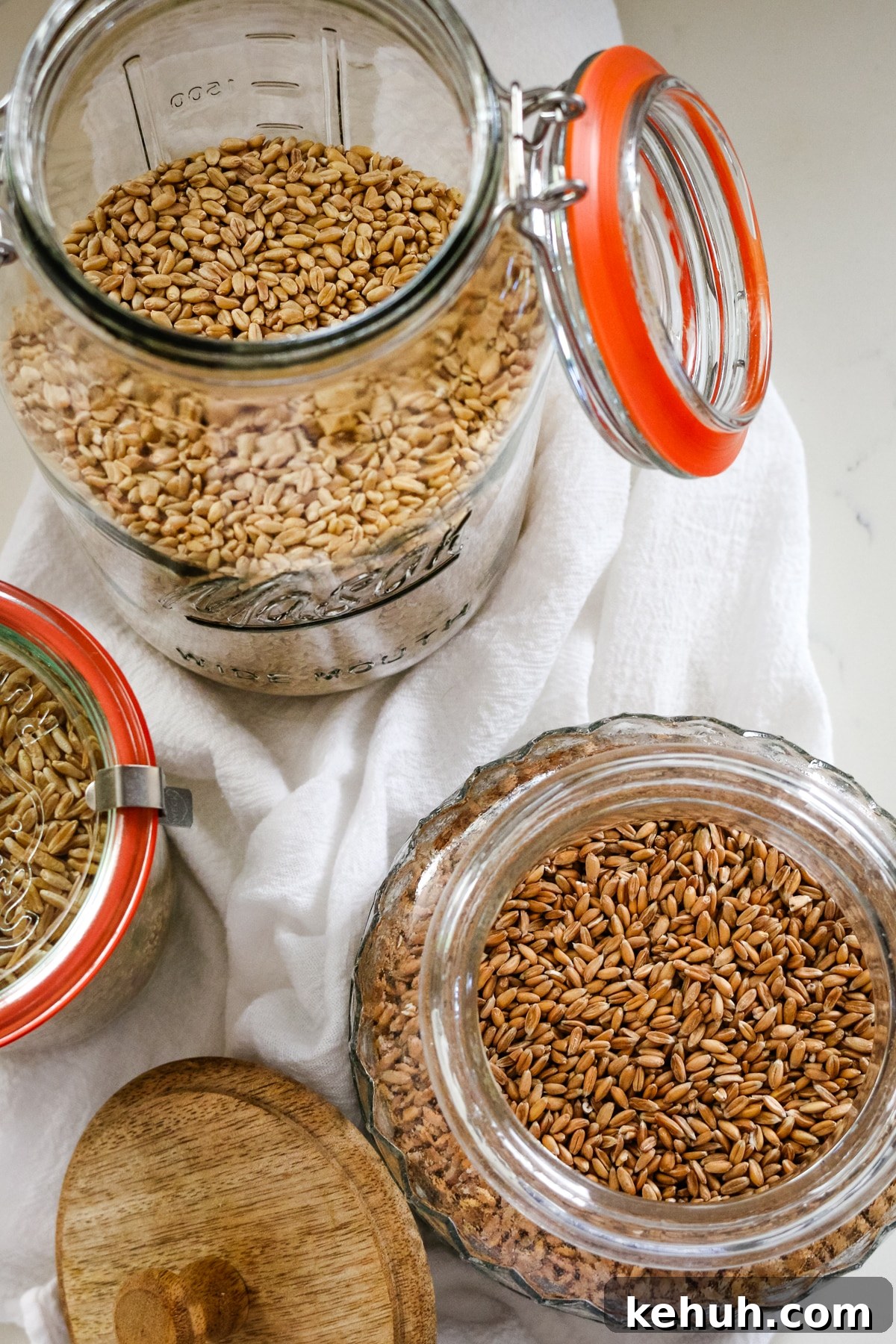
Ways to incorporate more ancient grains into everyday cooking
Baking with whole-grain ancient flours often requires adjustment. Most whole-grain flours do not substitute 1:1 for all-purpose flour—too high a percentage can make baked goods dry or dense, and many ancient grains have weaker or no gluten. The easiest approach is to start by swapping 20–30% of the all-purpose flour in a favorite recipe with an ancient-grain flour and increase gradually as you refine the texture and flavor you prefer.
Use buckwheat or teff to deepen chocolate desserts, sorghum for delicate crepes, or spelt and einkorn in muffins and pancakes where structure is less dependent on strong gluten. For yeast breads, consider blends that combine modern wheat with heritage grains, or use souring and soaking techniques to improve digestibility and nutrient availability.
Experiment with single-grain recipes and mixes to discover which grains suit your baking style. Over time, some ancient grains will become pantry staples based on taste, texture, and how you like to bake.
Ancient Grains Essential Tools
A few tools make working with whole grains easier and more consistent:
- Home grain mill: Grinding fresh flour preserves flavor and nutrients.
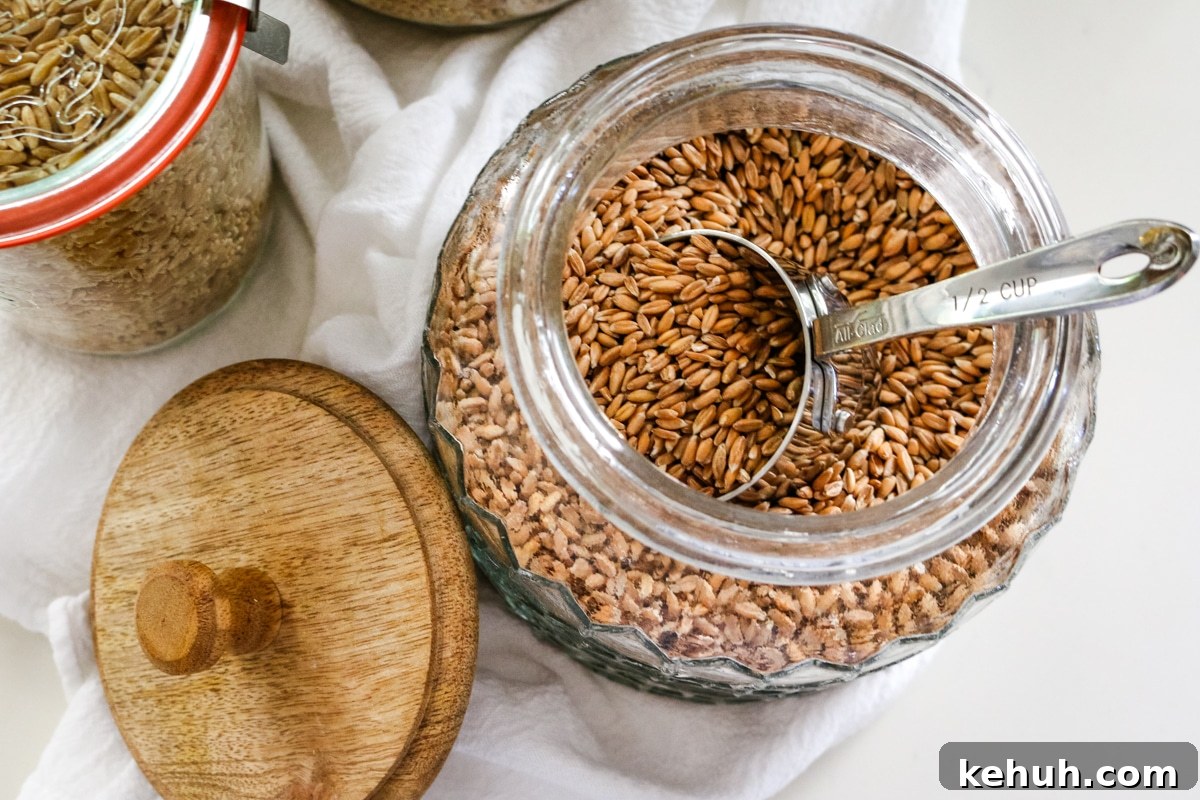
- Airtight glass containers: Store grains to protect from moisture and pests.
- Digital scale: Weighing flours ensures consistent results when substituting.
- Fine mesh strainer or sifter: Lighten texture for cakes and muffins.
Make the switch: ancient grains are the better choice
For bakers and cooks seeking flavor, nutrition, and sustainable sourcing, ancient grains are an excellent choice. Whether you want to enrich your everyday breads, experiment with new textures in pastries, or support regenerative agriculture, adding heritage grains to your pantry broadens culinary options and delivers meaningful nutrition.
Ancient grains are more than ingredients: they connect modern kitchens with agricultural history and offer a flavorful, nutrient-dense alternative to refined flour.
Looking for more helpful articles? Here are some ideas:
- Beef Tallow 101: The Old-School Fat Making a Comeback
- Ancestral Beef Blend Recipe
- How to Cook Beef Tongue
- How Much Dried Parsley to Substitute for Fresh
Jere Cassidy is the writer and recipe developer behind One Hot Oven. Her work blends modern techniques with traditional foods to make approachable recipes for home cooks. This article was edited to reflect additional commentary and notes from the editor.
Disclaimer: The content here is for informational purposes and does not replace professional medical or dietary advice. Consult a qualified healthcare provider for personalized guidance.