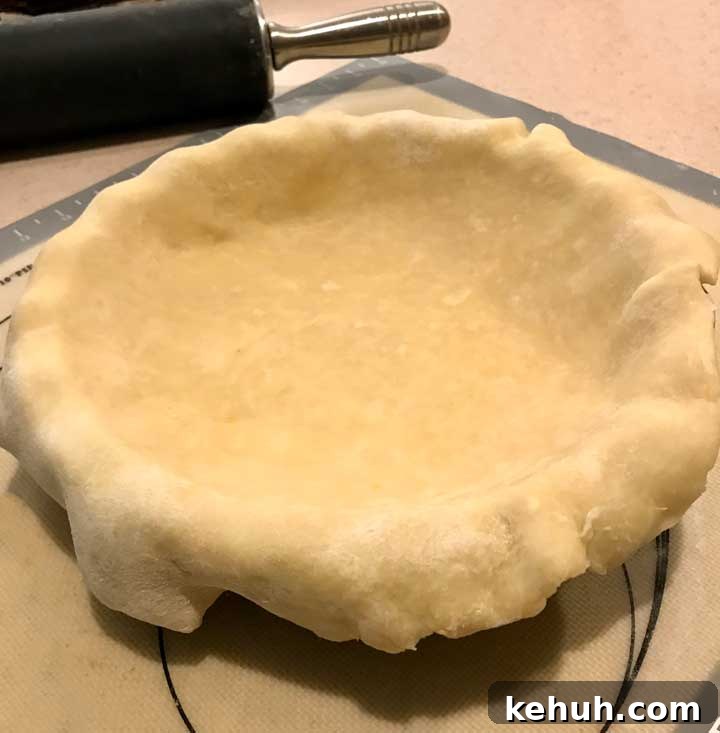
This basic pie dough recipe is a dependable, easy formula for one- or two-crust pies. Measurements are given for both sizes so you can scale the dough to your needs. For a single-crust pie I usually grate cold butter and mix the dough by hand; for a two-crust pie I prefer the speed of a food processor. The method below works well with either approach.
Basic Pie Dough Recipe
| 1 Crust | 2 Crust | |
| 1 ½ cups (200 grams) | 2 ½ cups (330 grams) | All-purpose or pastry flour |
| 1 ½ teaspoons (7 grams) | 2 ½ teaspoons (12 grams) | Sugar |
| ½ teaspoon (3 grams) | ¾ teaspoon (4 grams) | Salt |
| 6 tablespoons (84 grams) | 11 tablespoons (154 grams) | Unsalted butter, cold |
| 1 ½ tablespoons (18 grams) | 2 ½ tablespoons (30 grams) | Shortening or additional butter |
| 3 tablespoons (more as needed) | 5 tablespoons (more as needed) | Cold water |
Basic Pie Dough Directions
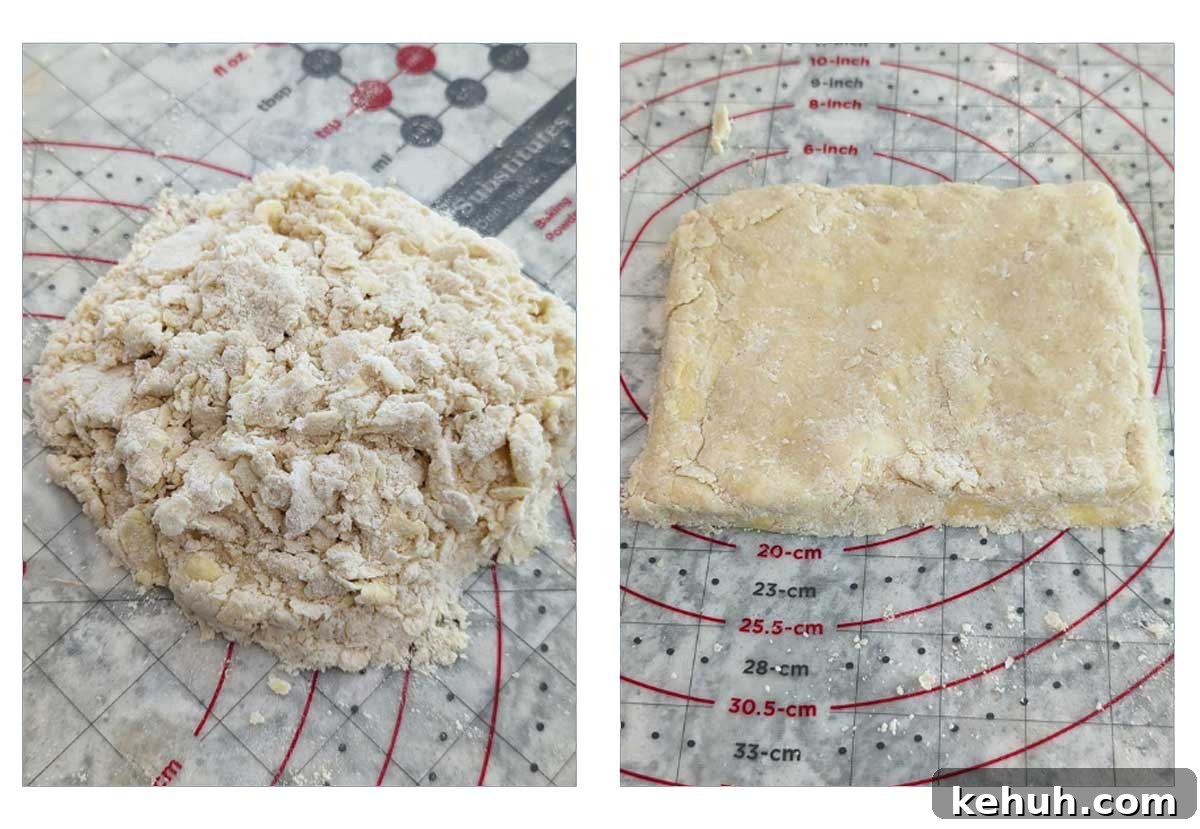
Start by combining the flour, sugar, and salt in a food processor bowl or a large mixing bowl. If using a processor, pulse a few times to blend the dry ingredients. If working by hand, whisk them together. Add the cold butter (cut into chunks) and the shortening, then pulse briefly in the processor until the mixture resembles coarse crumbs. For the hand method, grate or cut the butter into small pieces and toss with the flour until evenly coated. Add 2 tablespoons of ice-cold water and pulse or stir; then add additional water, one tablespoon at a time, only until the dough holds together when pinched between your fingers. Avoid over-hydrating—the dough should be slightly shaggy but cohesive.
Turn the dough out onto a lightly floured surface or a pastry mat and gently gather it into a ball. Flatten it into a disk about an inch thick, wrap tightly in plastic wrap, and chill in the refrigerator for at least two hours before rolling. Chilling relaxes the gluten and firms the fat, helping produce a flaky crust and reducing shrinkage during baking.
Blind Baking Pie Crust
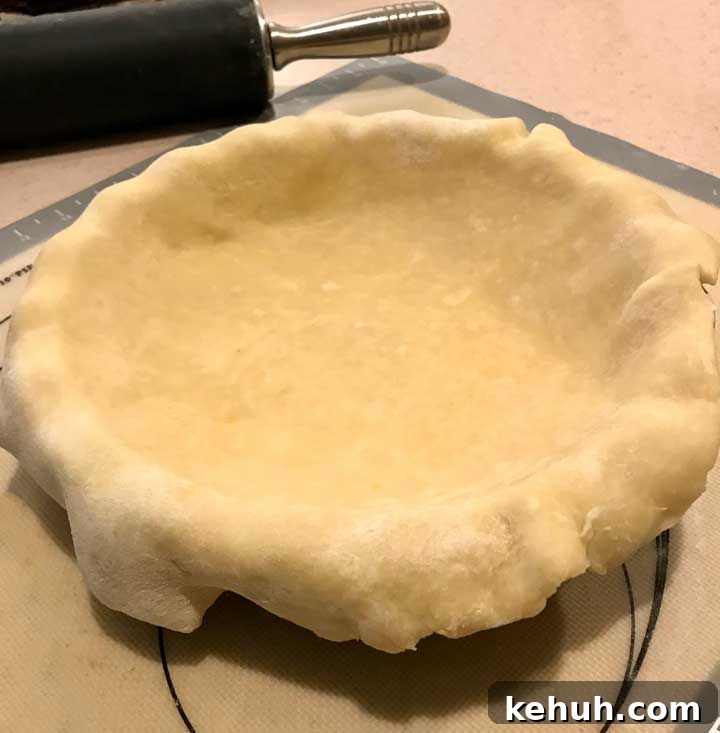
To blind bake, roll the chilled dough into a circle large enough to fit your pie dish with a small overhang. Gently ease the dough into the dish, trim the excess, then fold and tuck the edges under to form a neat rim. Crimp the edge with your fingers or press a fork along the rim to seal.
Return the fitted crust to the refrigerator for 2–3 hours to firm. When ready to bake, line the crust with a piece of nonstick foil and fill with pie weights or dried beans to keep the dough from puffing. Bake in a preheated 400°F (200°C) oven for about 15 minutes. Remove the foil and weights carefully, prick the bottom of the crust a few times with a fork to release steam, then lower the oven temperature to 375°F (190°C) to reduce shrinking and continue baking another 15–20 minutes, or until the crust is lightly golden and set.
Notes: Keep all ingredients cold, work quickly, and avoid overmixing. For best flakiness, use a blend of butter and shortening or all butter if you prefer a richer flavor. If you refrigerate the shaped crust overnight, allow it to rest briefly at room temperature before rolling to prevent cracking.