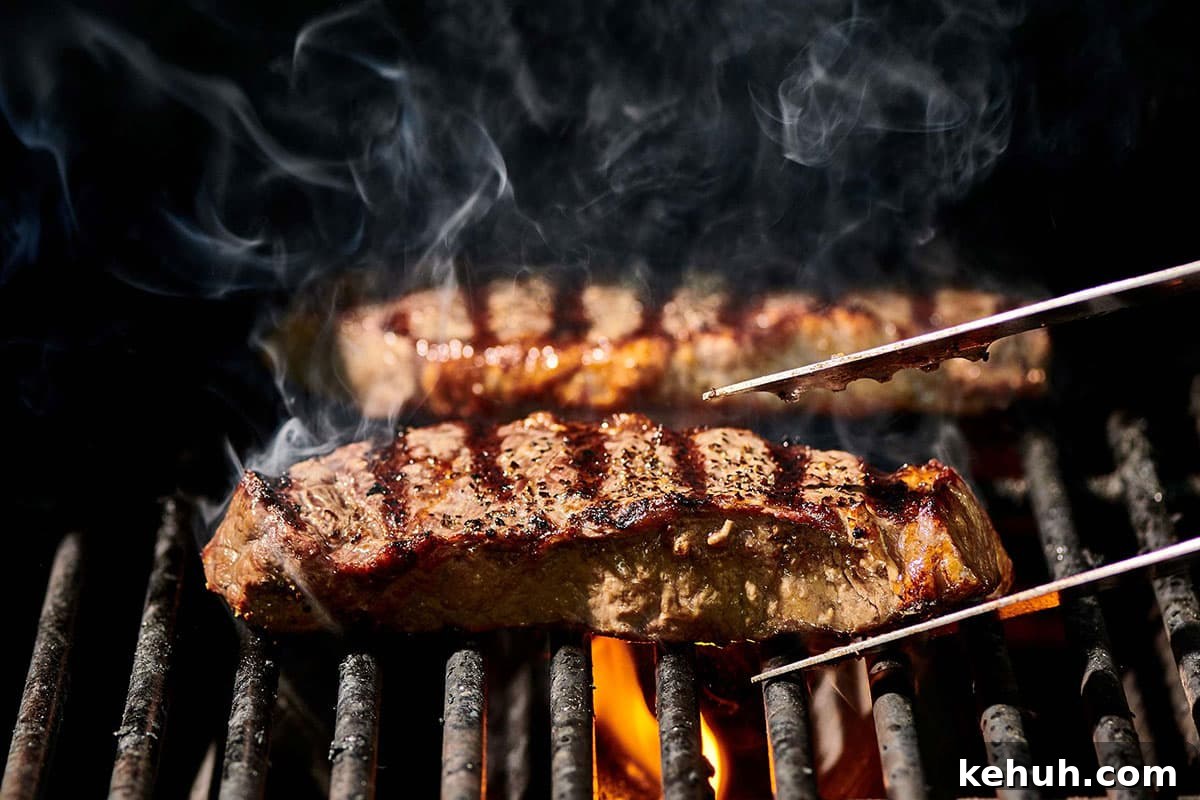
I strongly recommend using an instant-read meat thermometer to ensure steaks reach your desired temperature. If you don’t have one, you can still assess doneness using simple touch techniques that, with a bit of practice, will reliably indicate rare, medium, or well-done steaks.
Touch testing takes time to learn, but it prevents you from having to slice into steaks and losing juices. Below are clear methods to help you judge doneness by feel.
- How to Test Steaks for Doneness without an Internal Thermometer
- Remember Carryover Cooking!
- Must-Try Steak Recipes
How to Test Steaks for Doneness without an Internal Thermometer
These touch methods will get you close, but remember an accurate thermometer is the best option—especially for expensive cuts.
The Poke Test
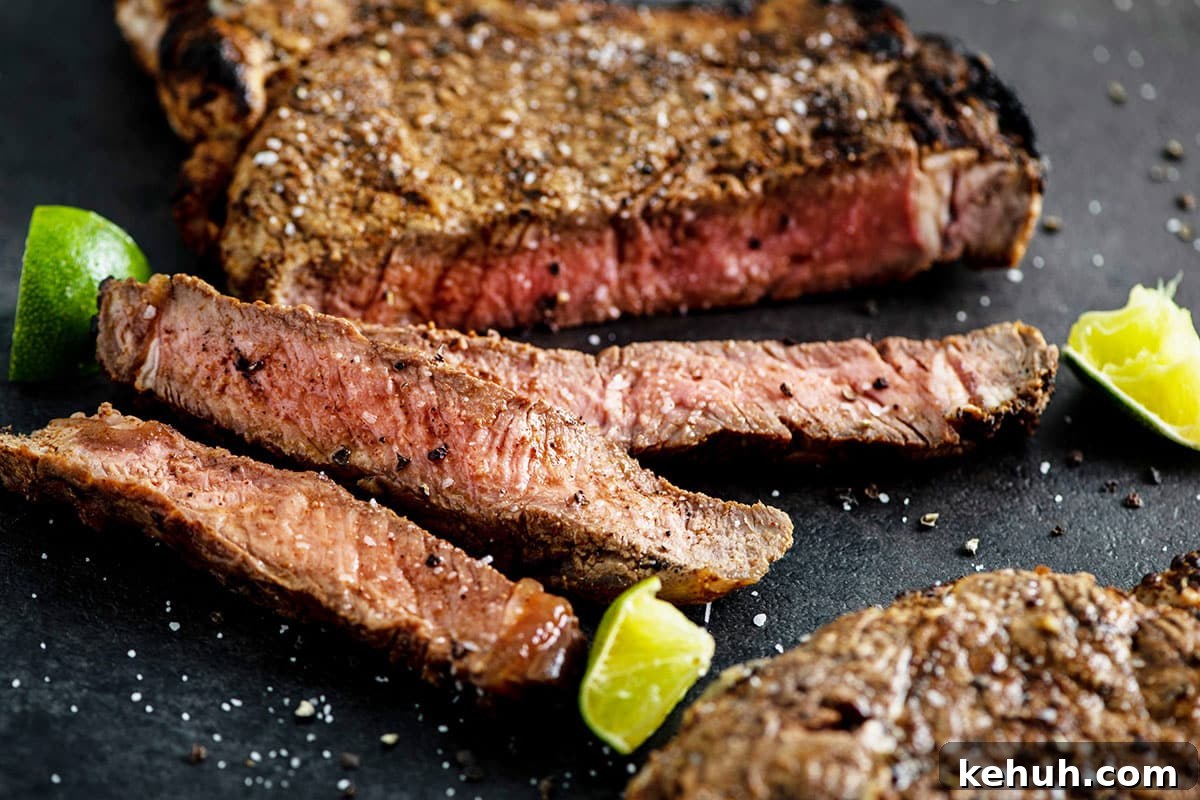
- Rare (120–125°F): The center is red and just warm. When you poke it, the steak feels very soft and squishy.
- Medium-Rare (125–130°F): The steak remains red in the center but is hot through. It yields to pressure but is not squishy.
- Medium (130–135°F): The center is pink rather than red. The steak yields gently and feels firmer than medium-rare.
- Medium-Well (135–145°F): The center is slightly grayish with only a bit of pink. The meat feels fairly firm but not hard.
- Well-Done (over 145°F): The steak is brownish-gray throughout with no pink. It feels quite firm when pressed.
The Hand Test
A simple comparison using your own hand can help you judge doneness by feel. With practice this becomes a quick and reliable guide.
- Rare: Let one hand hang relaxed. With the index finger of your other hand, press the soft triangle of flesh between the thumb and index finger of the relaxed hand. It should feel very soft and spongy—this is the feel of rare steak.
- Medium-Rare: Spread the fingers of one hand and press the same spot between thumb and index finger. The flesh will be firmer and slightly springy—this matches medium-rare.
- Medium: Make a fist and press the same spot. It will feel firmer and spring back quickly, similar to meat cooked to medium.
Remember Carryover Cooking!
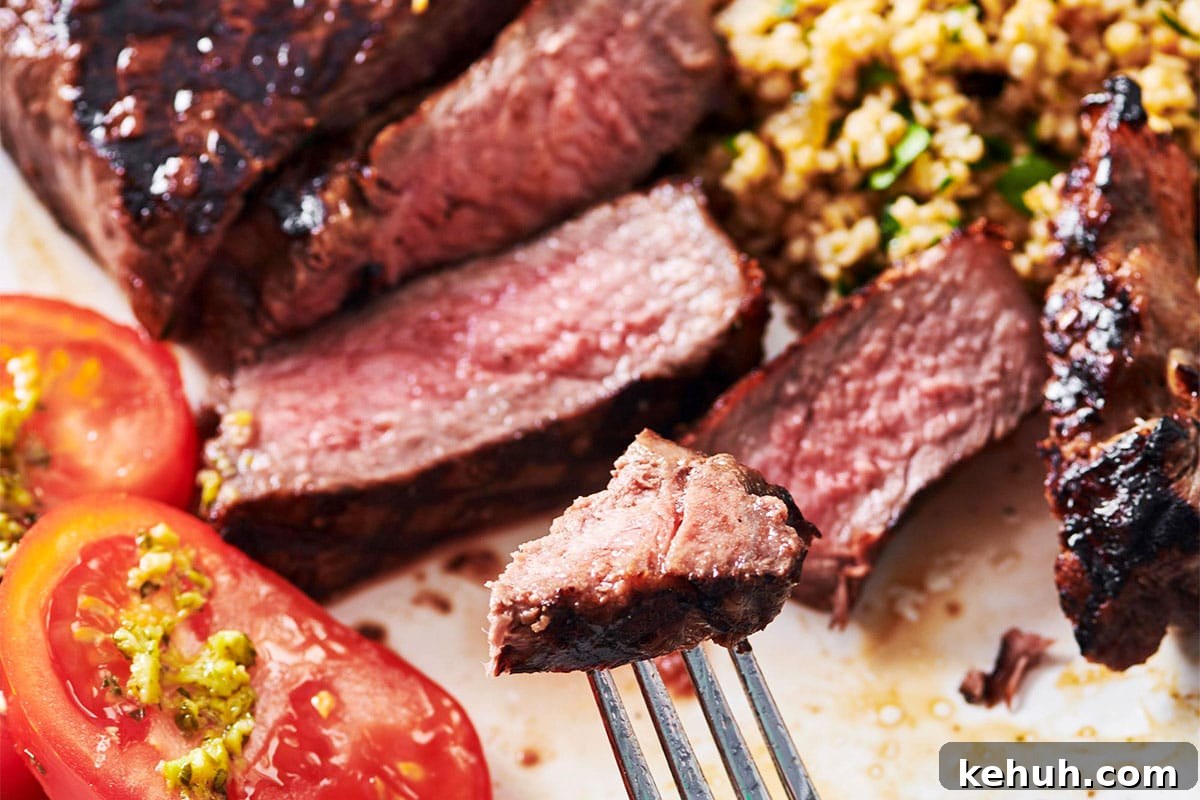
Always let steaks rest for about five minutes after cooking. Carryover cooking causes the internal temperature to rise a few degrees after you remove the steak from heat. Resting also allows juices to redistribute so they stay in the meat and don’t run out on the cutting board, keeping the steak moist and flavorful.