Teaching kids to cook isn’t just about collecting recipes. To truly empower children in the kitchen, build skill foundations the way you’d teach reading—step by step, with practice and encouragement.
I passed an elementary school the other day and noticed several massive balls of snow piled in the playground. It made me smile—our front yard holds two huge snowballs right now too.
We live in Michigan, and when the snow is right, the kids love “packing snow.” My 6-year-old rolled two enormous snowballs by himself. He was trying to build a snowman, but the balls grew so large he couldn’t move them together. He needed a parent’s help, and we never went back outside to finish it.
So now there are two pieces of a snowman, never quite finished.
On the same drive I passed perfectly finished snowmen with scarves, hats, and perky expressions. That contrast got me thinking: what’s the difference, from a child’s perspective, between those perfect snowmen and the gigantic snowballs?
Here’s the thing: Gabe, my 6-year-old, and the kids at school probably had a blast making their snowballs—giggling, getting cold, then heading inside when they were done. Just knowing how to make a snowball is joyful in itself.
I feel the same way about kids learning in the kitchen. They don’t need to master an entire recipe to take part. Learning one or two skills is often enough for them to be involved, feel ownership, and be proud of what they helped create.
When kids are competent with skills, they become confident cooks. That confidence builds ownership and engagement, and the benefits reach far beyond the meal itself.
But Isn’t Teaching Kids to Cook All about Finding the Right Recipe?
Search “how to teach a kid to cook” and you’ll find lists of “kid-friendly recipes.” But cooking is more than following recipes. Many cooks—home cooks and professionals—love the creativity of combining ingredients, choosing seasonings, and finishing a dish. If every ingredient needed the perfect recipe to become a meal, families on a budget would waste time and food.
That’s why teaching kids to cook should focus on skill foundations, not only on recipes. Teaching a few recipes limits what kids can do; teaching skills expands their possibilities and helps them adapt to different tastes and dietary needs.
How We Teach Kids to Cook at Kids Cook Real Food™
The Kids Cook Real Food™ eCourse centers on skills, not recipes. The goal is to give kids a toolbox of foundational skills so they can handle many recipes and improvisations. Teaching a handful of recipes might boost confidence temporarily, but it doesn’t equip a child to participate in everyday cooking.
When you teach skills, three major benefits emerge:
1. Skills let kids help right away.
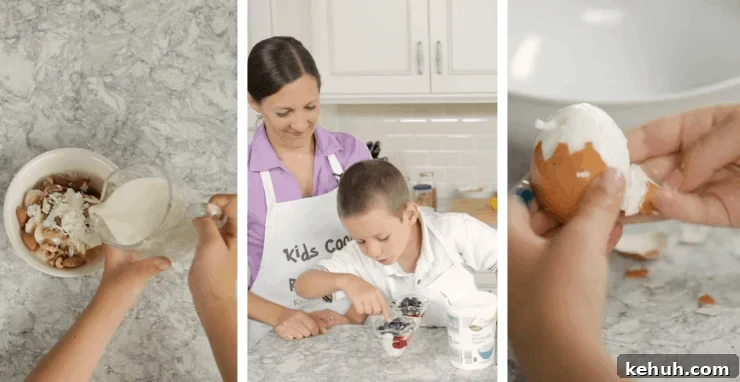
Parents often report that after one class their child becomes a competent kitchen helper. For example, a 2-year-old who learns to spread peanut butter can contribute to toast, bagels, or sandwiches. A 5-year-old who learns to measure accurately can help with seasoning a pasta sauce or preparing taco meat. When an older child learns knife skills, they can save the family ten to fifteen minutes each day by doing prep like a sous chef.
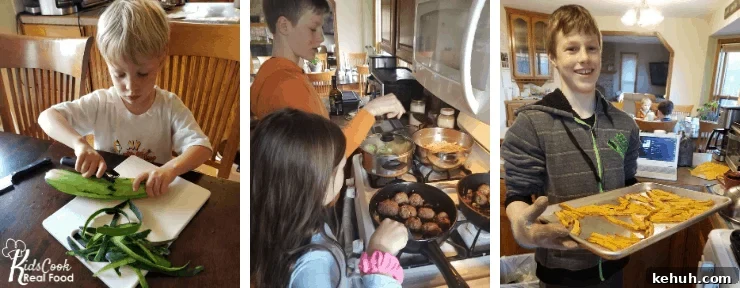
Each new skill adds to a toolbox that benefits the whole family.
2. Skills open a world of creativity and independence.
Like reading unlocks books and imagination, kitchen skills unlock the produce aisle and countless recipes. Skills give children the confidence to make food without a recipe and to adapt recipes creatively—an important outlet for imagination in an increasingly screen-focused world. I want kids to be able to walk into a kitchen and think, “I can handle this.”
Teaching more than 30 core skills lets young cooks combine techniques and ingredients in new ways, developing true culinary independence rather than memorizing a few set recipes.
3. Skills help kids with food allergies and special diets.
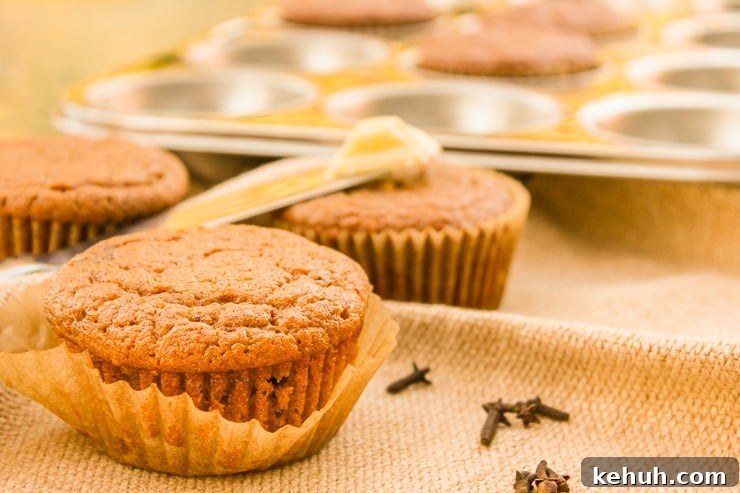
Many families face food allergies or dietary restrictions. Teaching skills allows children to prepare safe meals instead of relying on expensive specialty products or limited class offerings. When a class demonstrates a technique, families can apply that technique to allergy-safe ingredients at home.
In our course we avoid many of the top allergens when possible and teach transferable skills like rolling dough or sautéing so kids can practice with foods that are safe for them.
All Kids Can Learn One Skill at a Time
Breaking down cooking into small, teachable parts makes the kitchen accessible to everyone—children as young as two, kids with food allergies, and children with physical or developmental differences. It’s not always about finishing a whole recipe alone; it’s about joyful participation and steadily building competence.
When you say yes to your kids in the kitchen and focus on one tiny skill at a time, they’ll celebrate little victories: “Look, I cut that banana!” or “I measured all the seasonings!” Over time those small wins build real confidence and lasting ability.
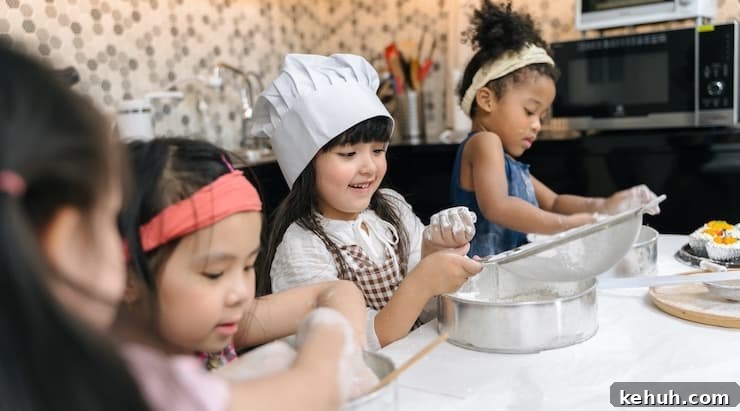
After kids have learned a few skills, recipes can be helpful inspiration. But don’t lower the bar—children can eat the same food as adults, and their involvement in preparing it is what truly matters. There’s no such thing as a separate “kids’ meal” when kids are part of the cooking process.
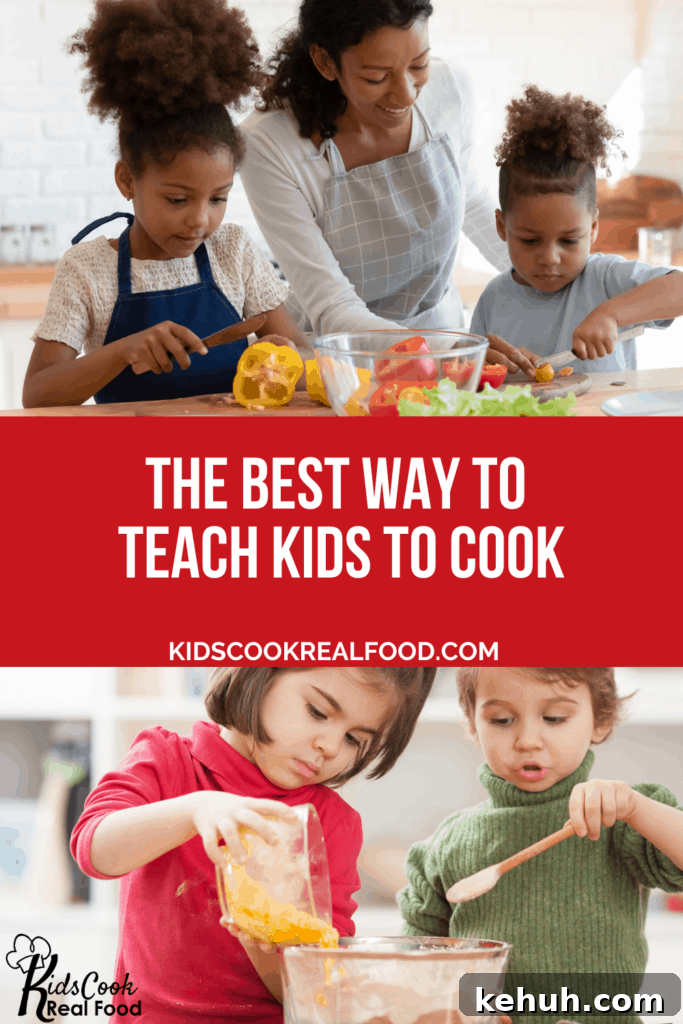
Teach skills, encourage curiosity, and invite children into the kitchen. When kids take part, they learn, grow, and—most importantly—have fun.